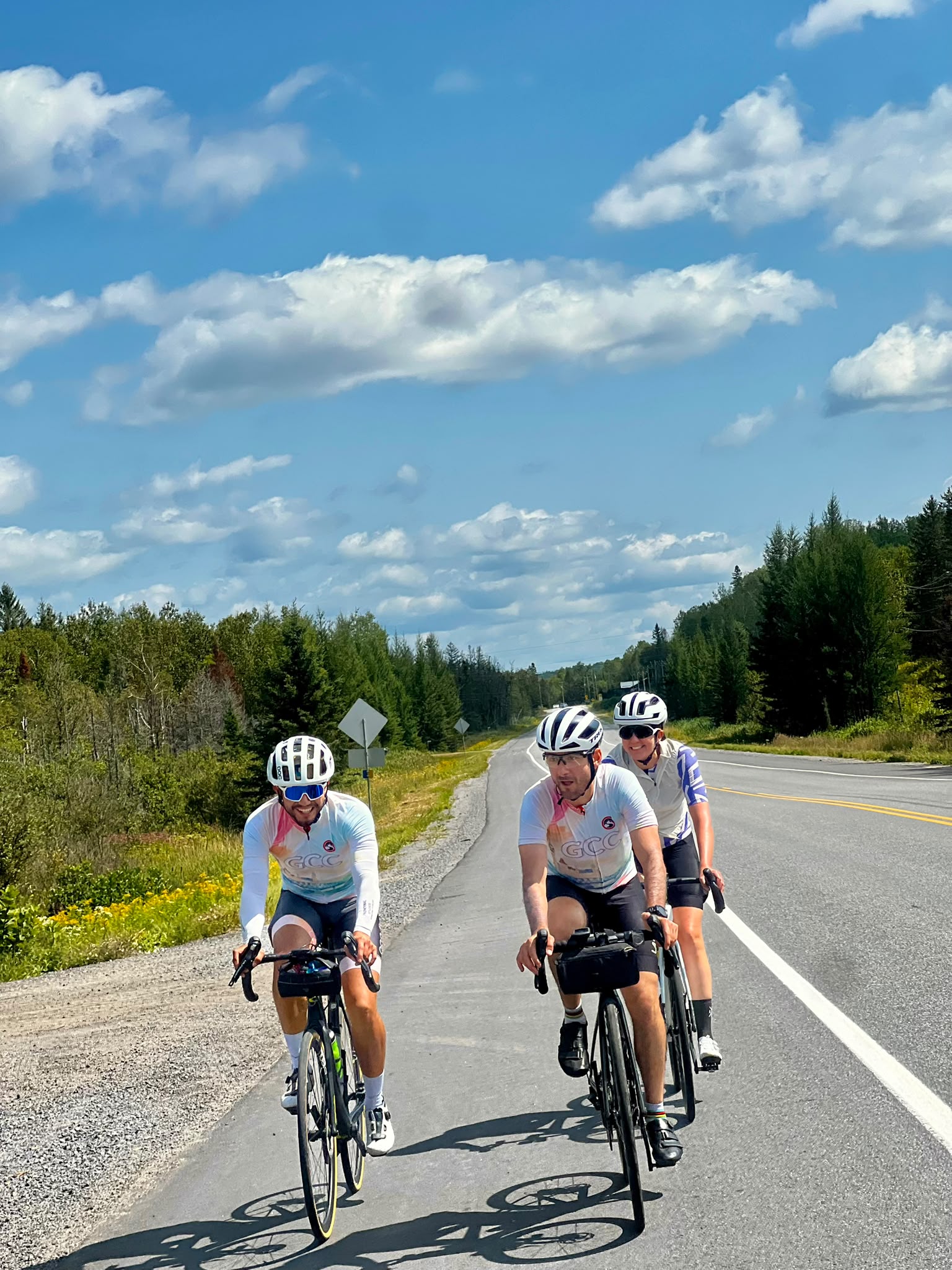
Ultrafondo 2026: the plan worked because we knew how to change it
Alexander Vargas Sanabria
I believe GCC’s 2026 Ultrafondo really began when the 2025 edition ended.
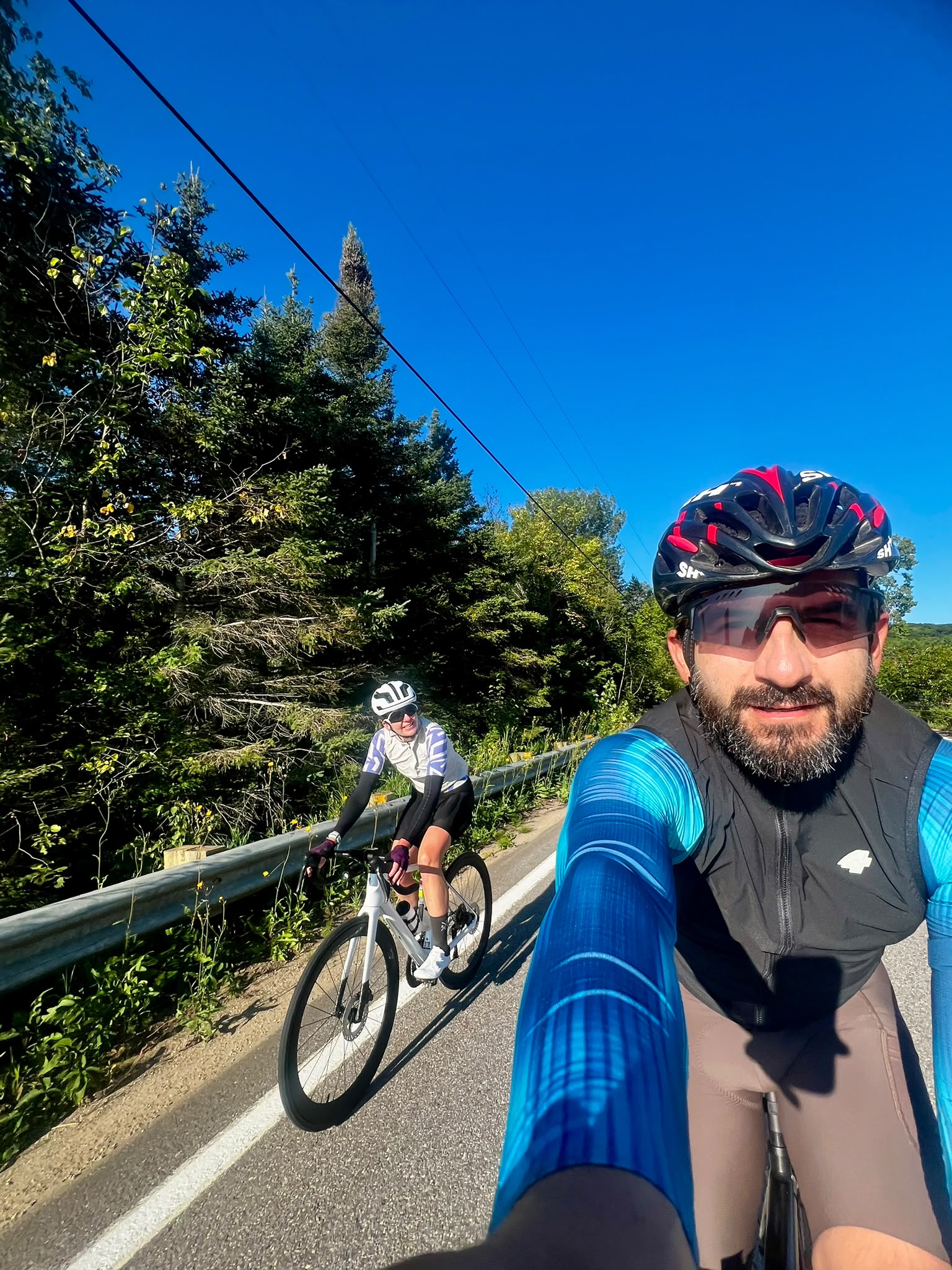
For Laura, José, and me, that edition had left us with a bittersweet feeling. We had broken our personal distance records, but we had not reached the goal we had set for ourselves. In the end, I was the one who made the decision to stop the attempt. We still had kilometers ahead of us on a road that was in poor condition, and the lack of visibility was going to turn the final stretch into a risk that simply did not make sense for us as a group.
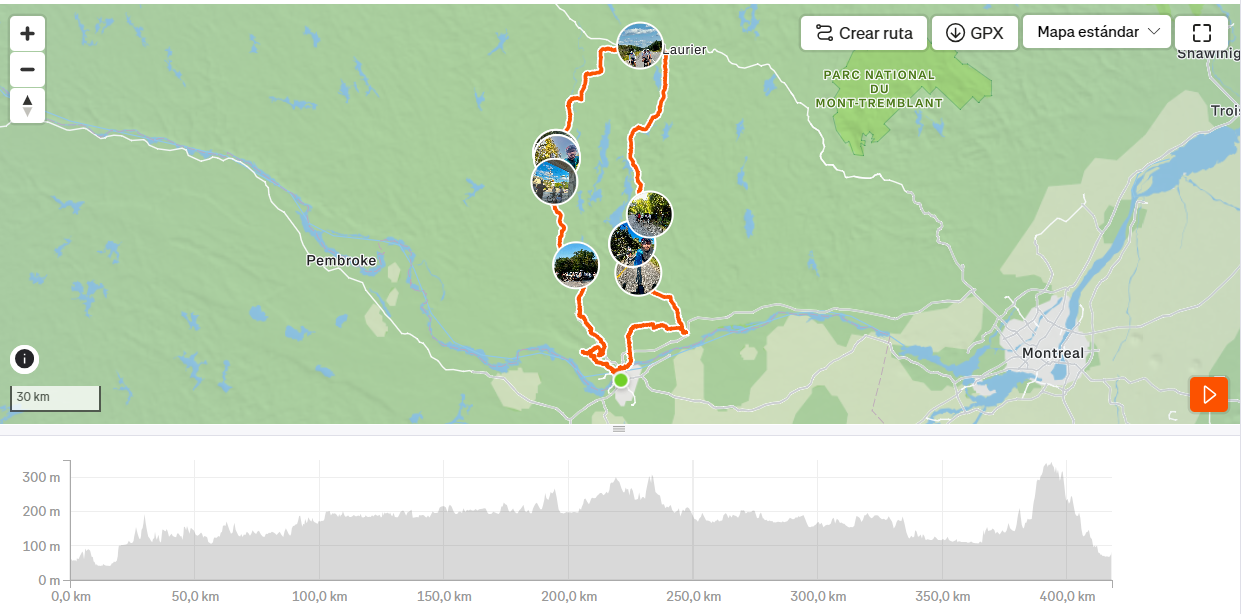
Distance: 418 km
ELEVATION GAIN: 3.918m
TIME: 15 hrs
It was a difficult decision. When you are leading a group, sometimes you have to make decisions that are not necessarily what everyone wants to hear at that moment. That is why, almost from that very day, the 400 kilometers of 2026 started to exist in our minds.
A different route for a new attempt
The previous two editions of the Ultrafondo had featured Mont-Tremblant as one of their main destinations. For 2026, we wanted to change the logic of the route.
This time, the idea was to build one big loop that would allow us to finish in Gatineau Park, probably the place that best represents our training as a club and one of the places where we have shared the most kilometers together.
José took charge of designing the route, and during our season launch we presented a main route of close to 400 kilometers, along with several alternatives for those who wanted to participate over shorter distances.
The idea was that there would not be just one Ultrafondo. Some riders could start from different locations, join us along the way, and share part of the route with those of us attempting the full distance.
Little by little, riders became interested in routes of approximately 180, 250, and 400 kilometers. We discussed alternatives, reviewed the course, and adjusted the details.
But the final list of participants, the resupply points, the support vehicles, and much of the logistics only came together about a week before the event.
The plan was ready.
Or, at least, as ready as a plan can be for a day of more than 400 kilometers.
3:30 in the morning
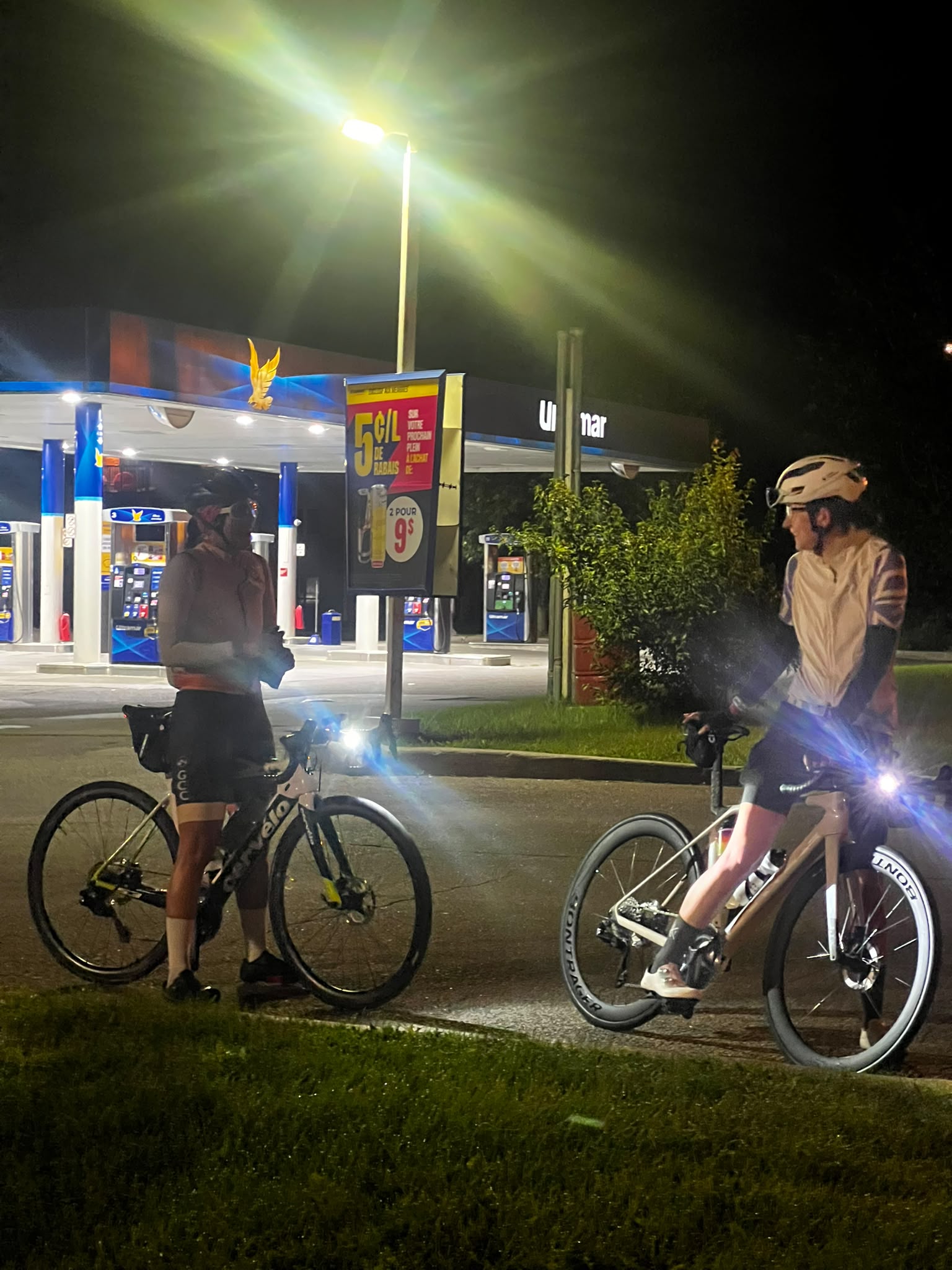
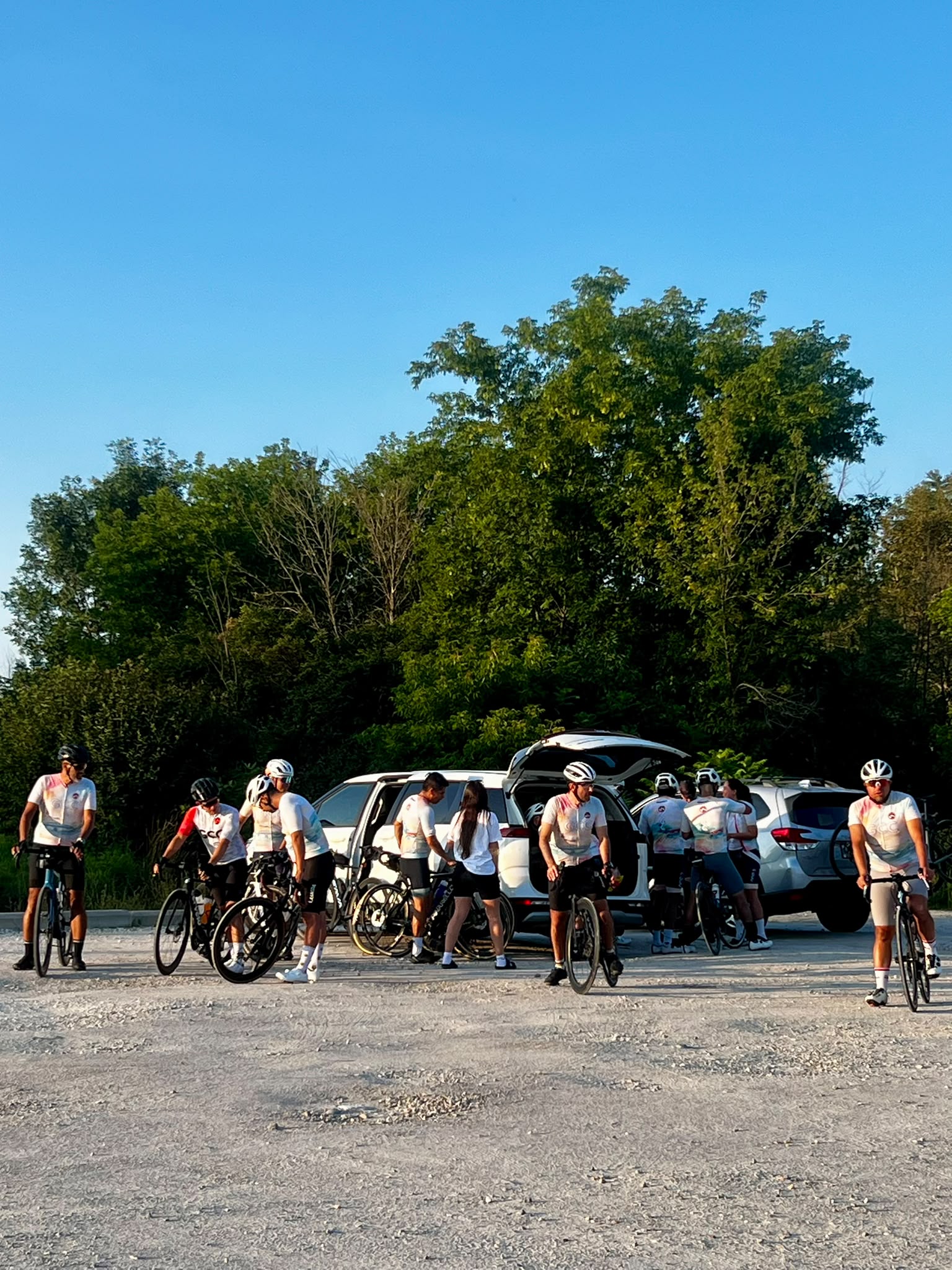
On August 15, 2026, Laura arrived at my house at around 3:05 a.m.
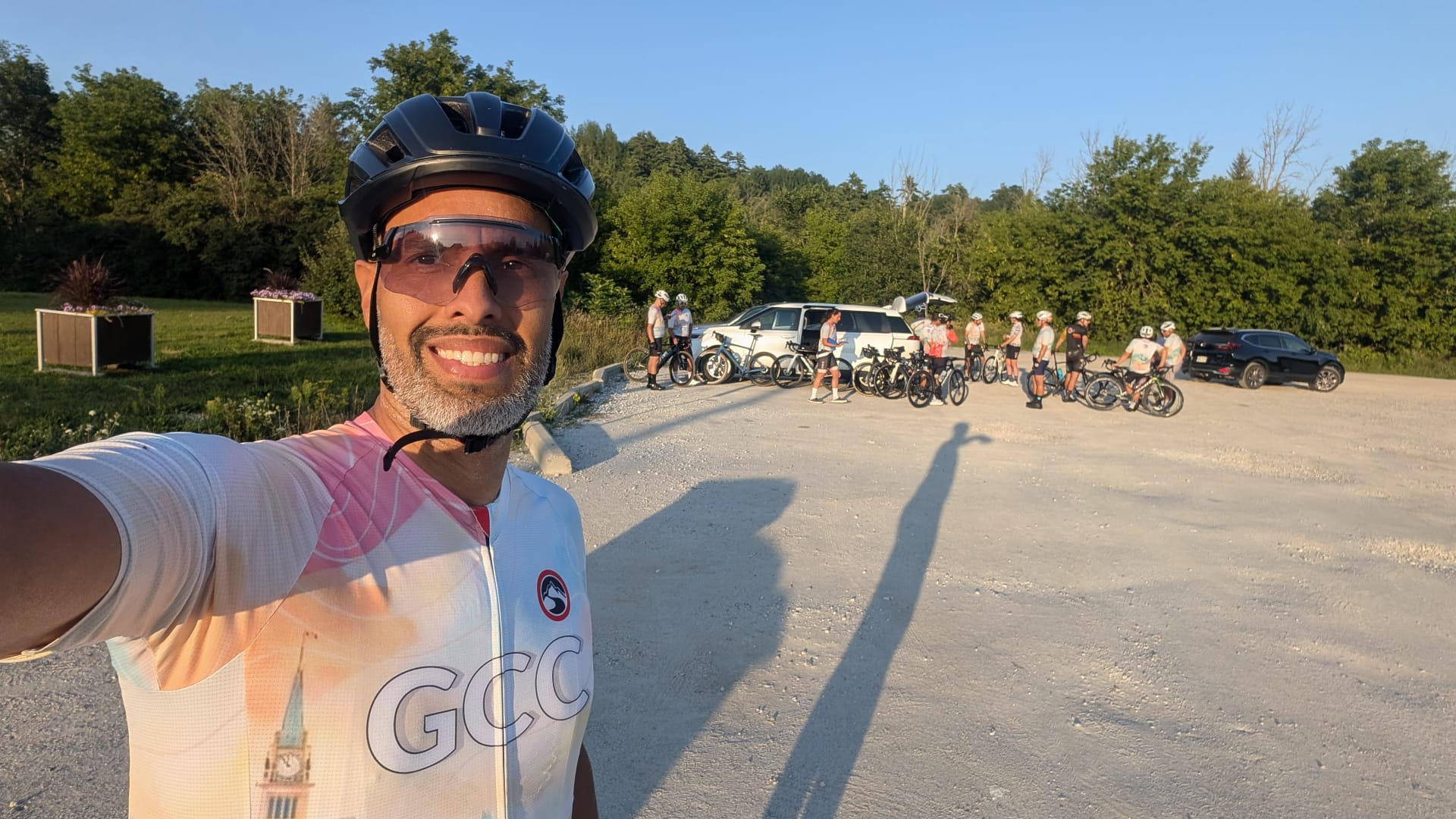
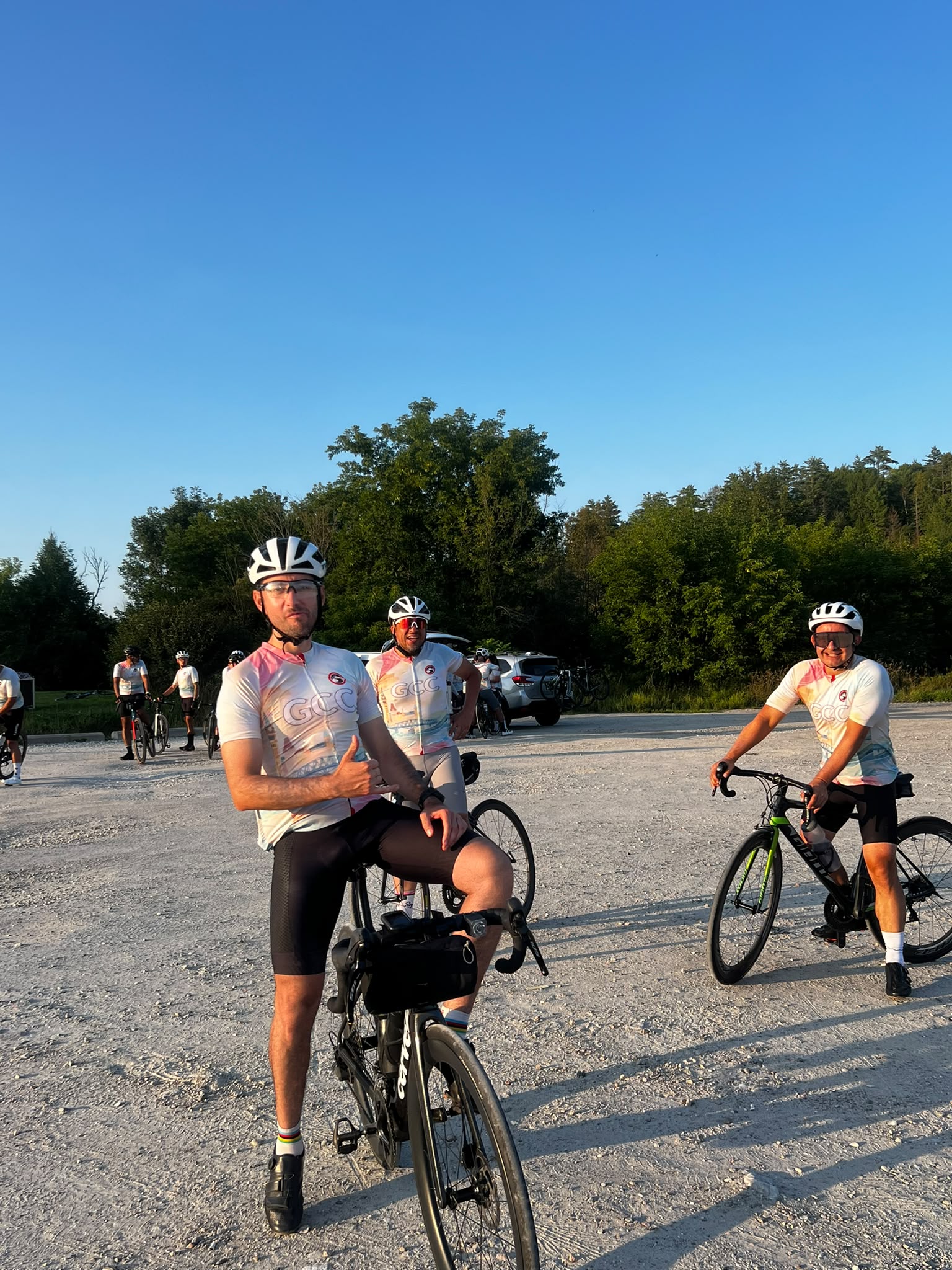
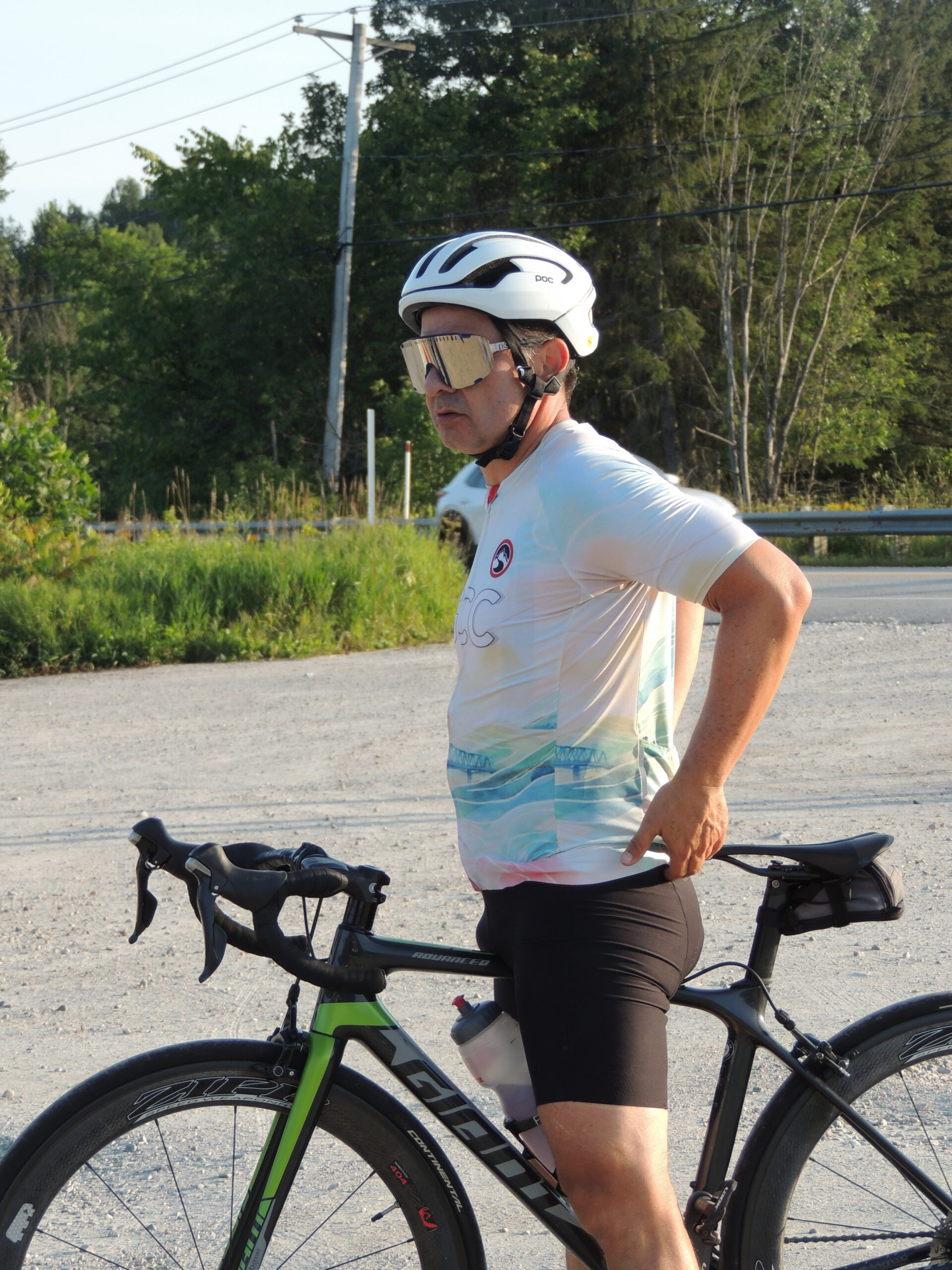
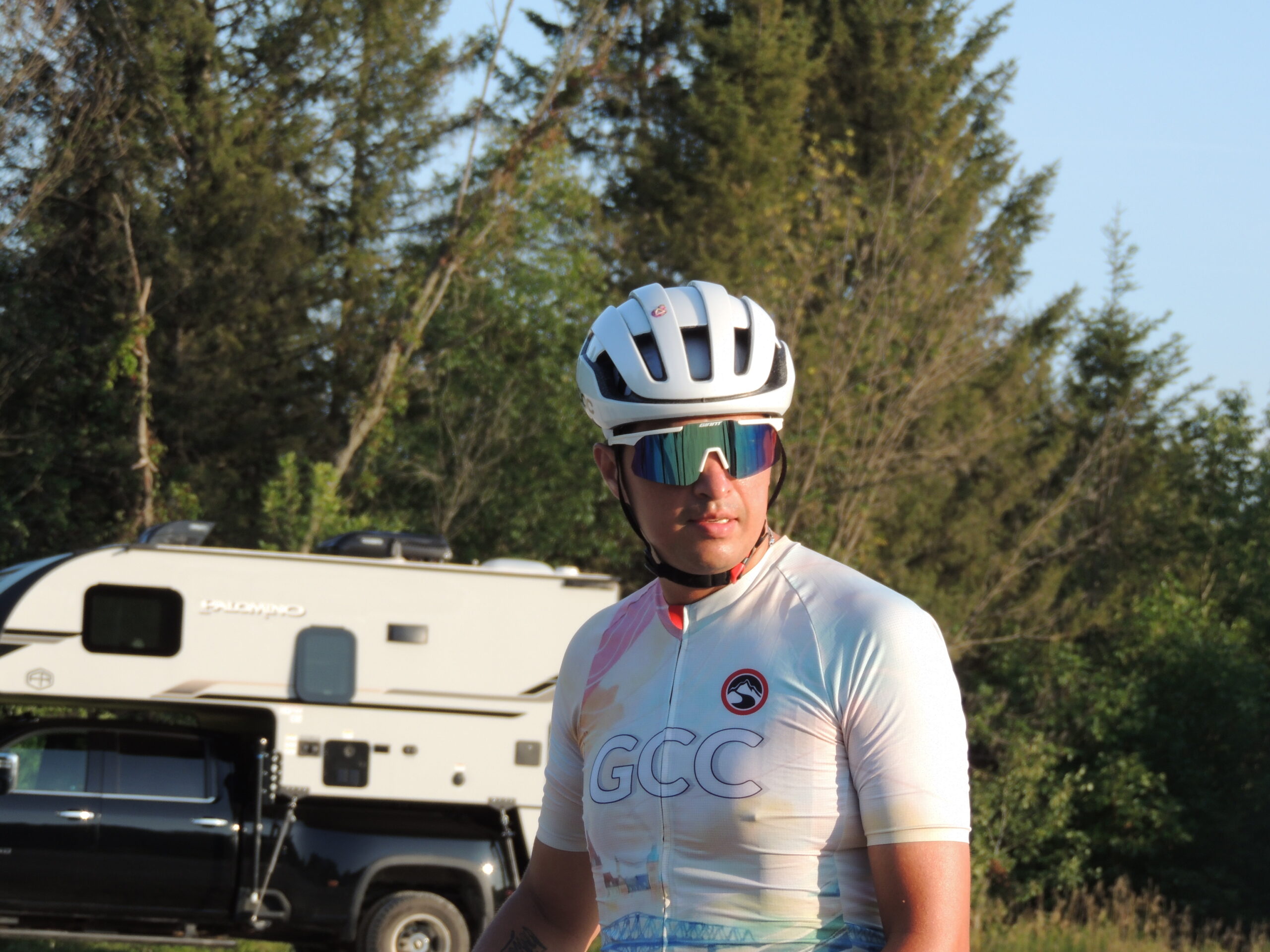
From there, we headed to P3 in Gatineau Park, our starting point. At 3:30, we met José and Ashley. The four of us were starting there with the original intention of completing the entire route.
There was, however, another story that made that start especially meaningful.
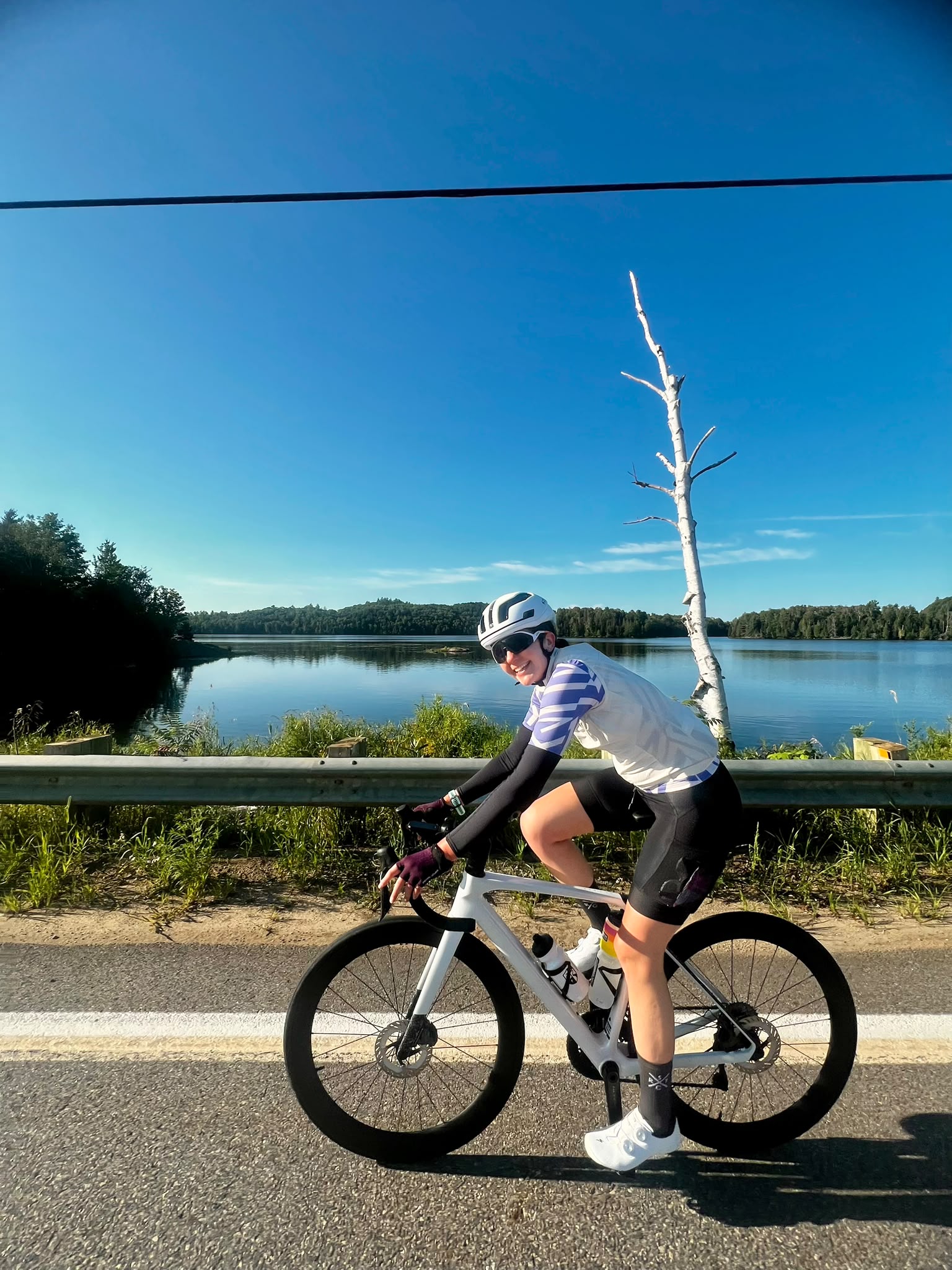
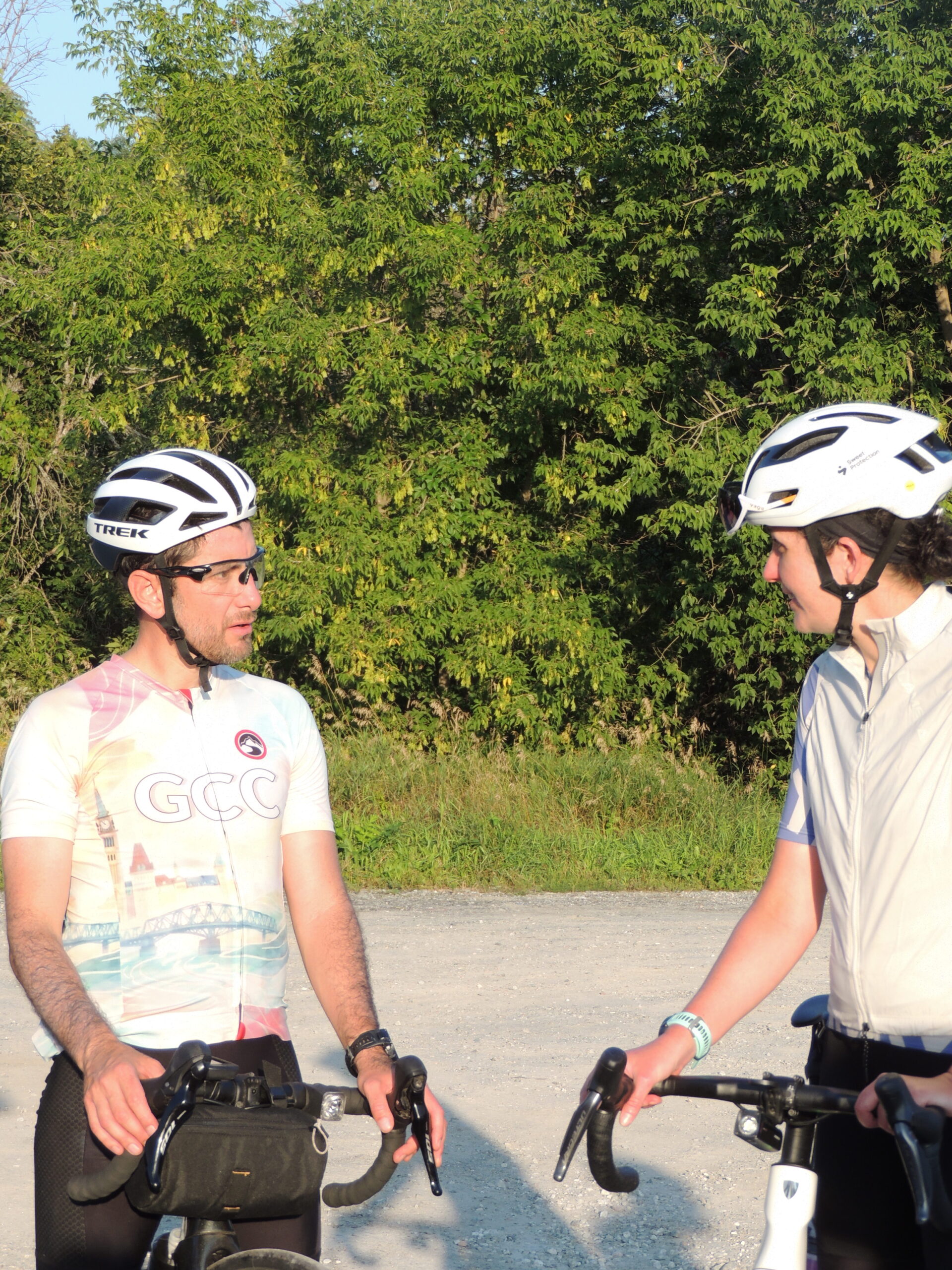
Laura was recovering from an injury that had seriously affected her preparation during the previous weeks. That same injury had affected her participation in Ironman Ottawa. She managed to finish it through an enormous amount of effort, even walking the final kilometers, but she arrived at the Ultrafondo with both physical and mental doubts about what she would be able to do.
I had been one of the people encouraging her to try, but always with one clear condition: being at the start did not mean she had to make it to the finish at any cost.
If her body said no, the plan had to change.
And that would become important a few hours later.
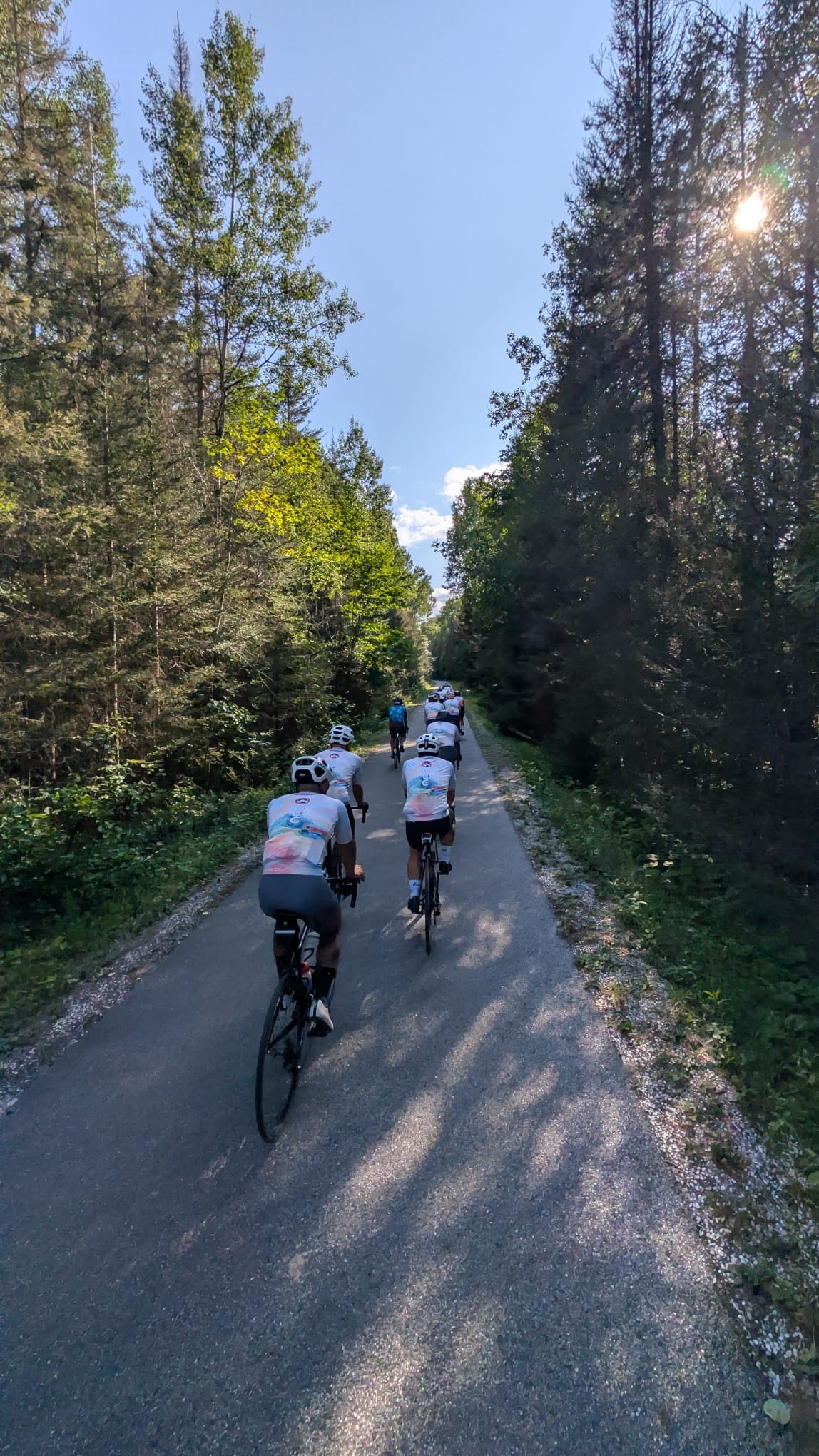
The first 100 kilometers were already taking their toll
The early morning was cold, with limited visibility. On top of that, the beginning of the route featured one short, steep rise after another—not exactly friendly terrain when you know you still have hundreds of kilometers ahead of you.
Laura started paying for that effort early.
I could tell she was not having her best day, but I did not want to pressure her or turn every difficult moment into a question about whether she could continue.
So we kept moving.
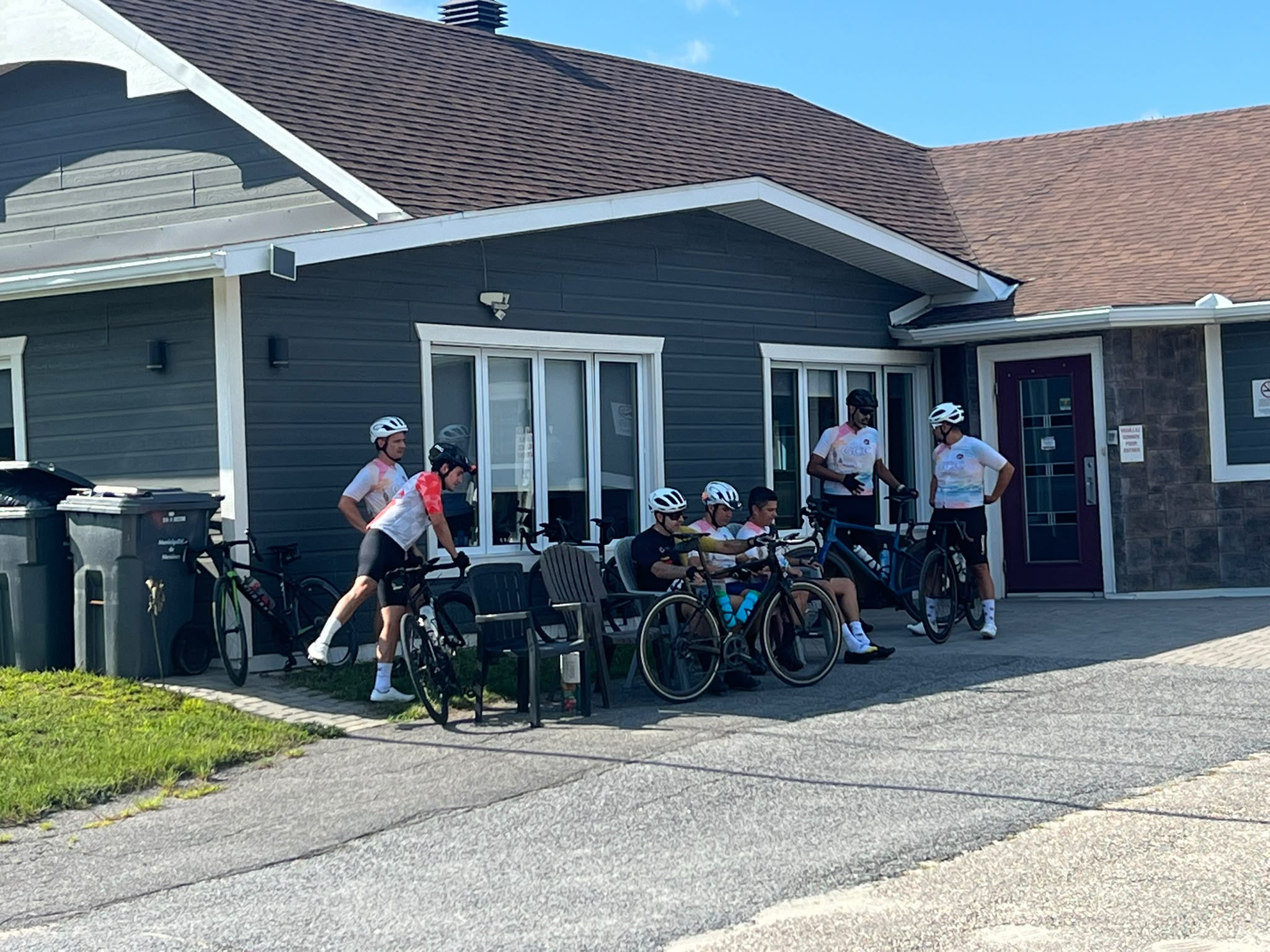
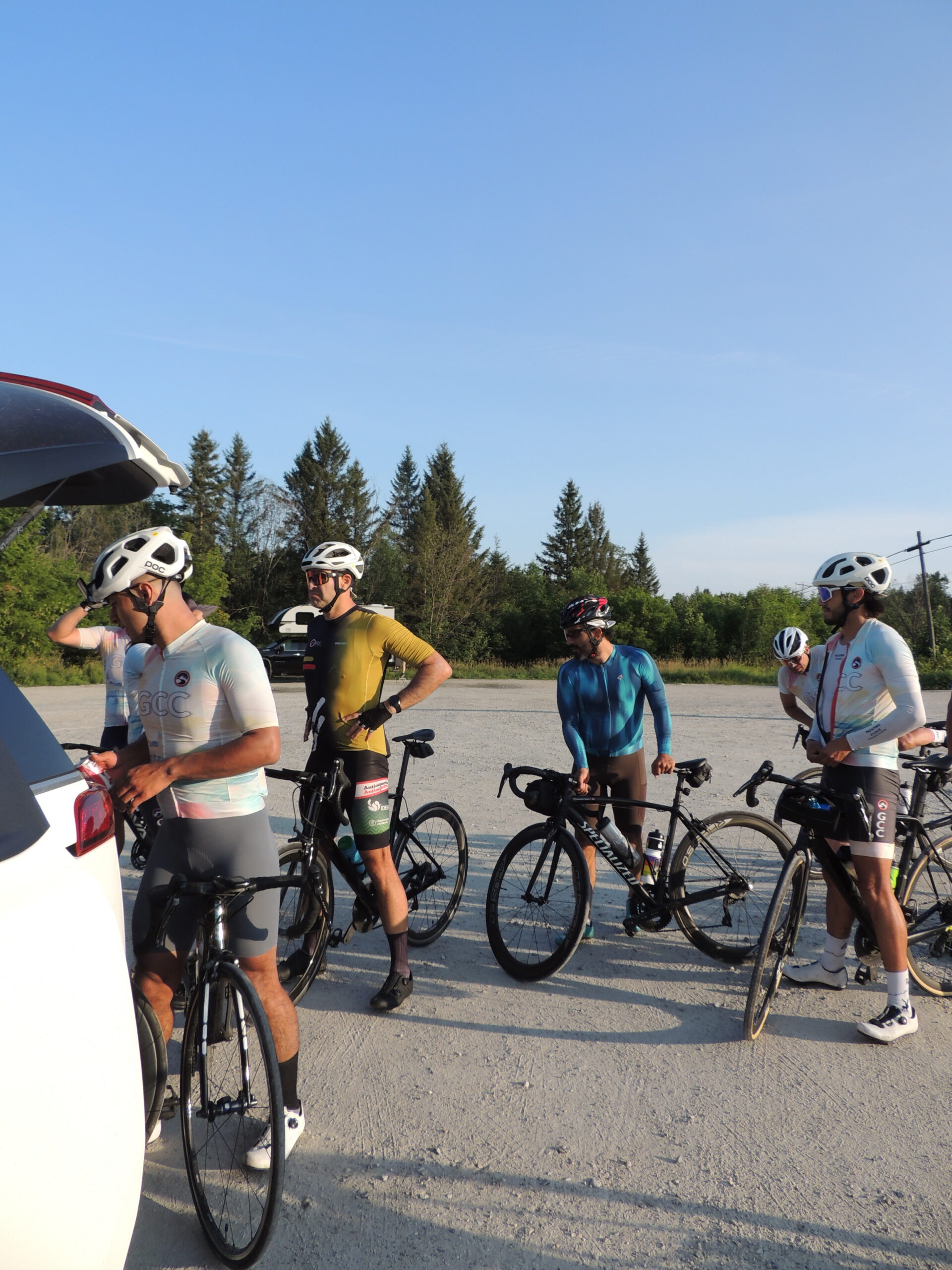
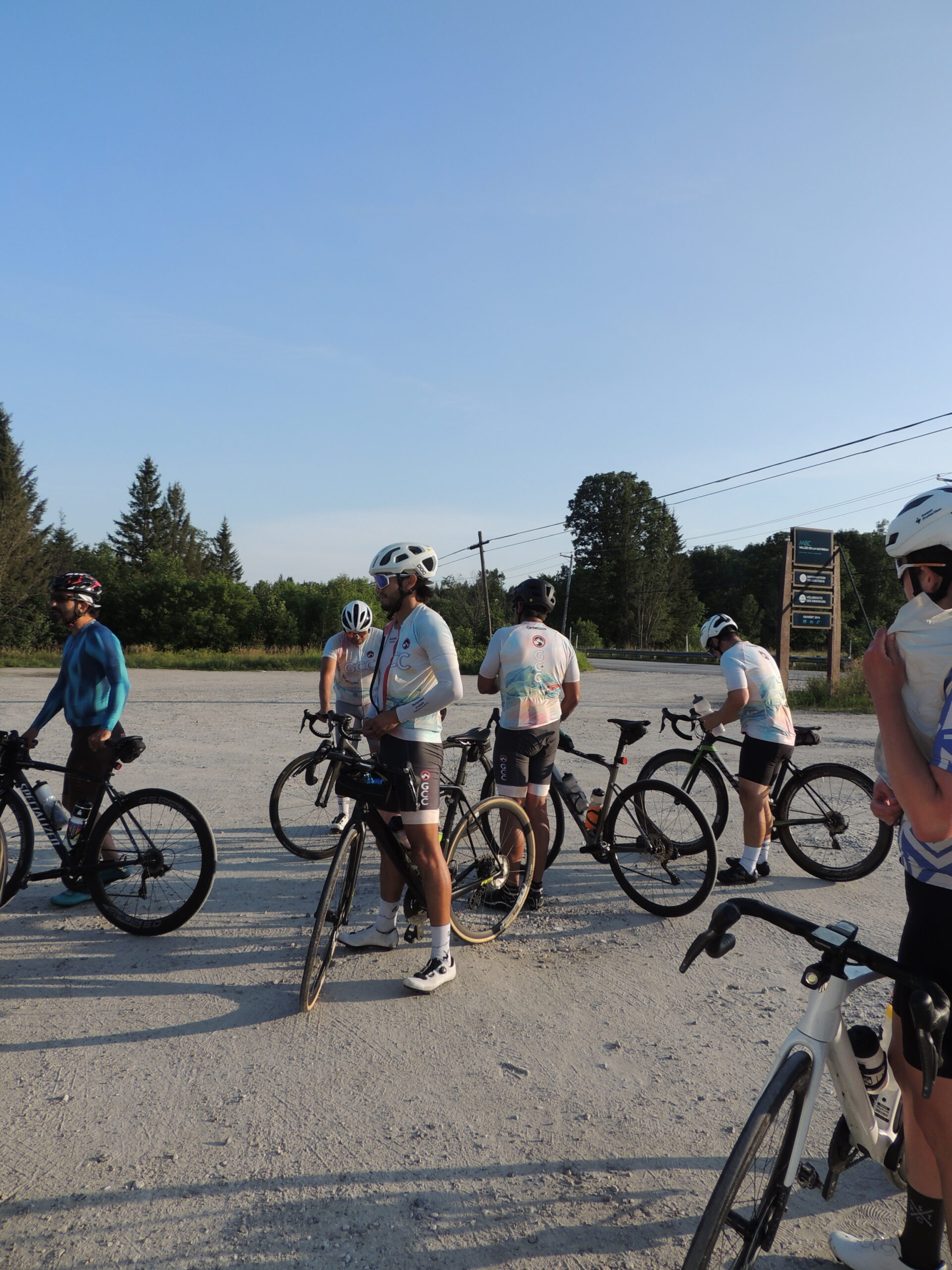
At around kilometer 100 came one of the moments we had been looking forward to since the start: meeting the first group.
Luis, Danilo, Ronal, Humberto, Víctor, and Néstor were there. Néstor, José’s father, had come all the way from Colombia to take on the challenge alongside his son.
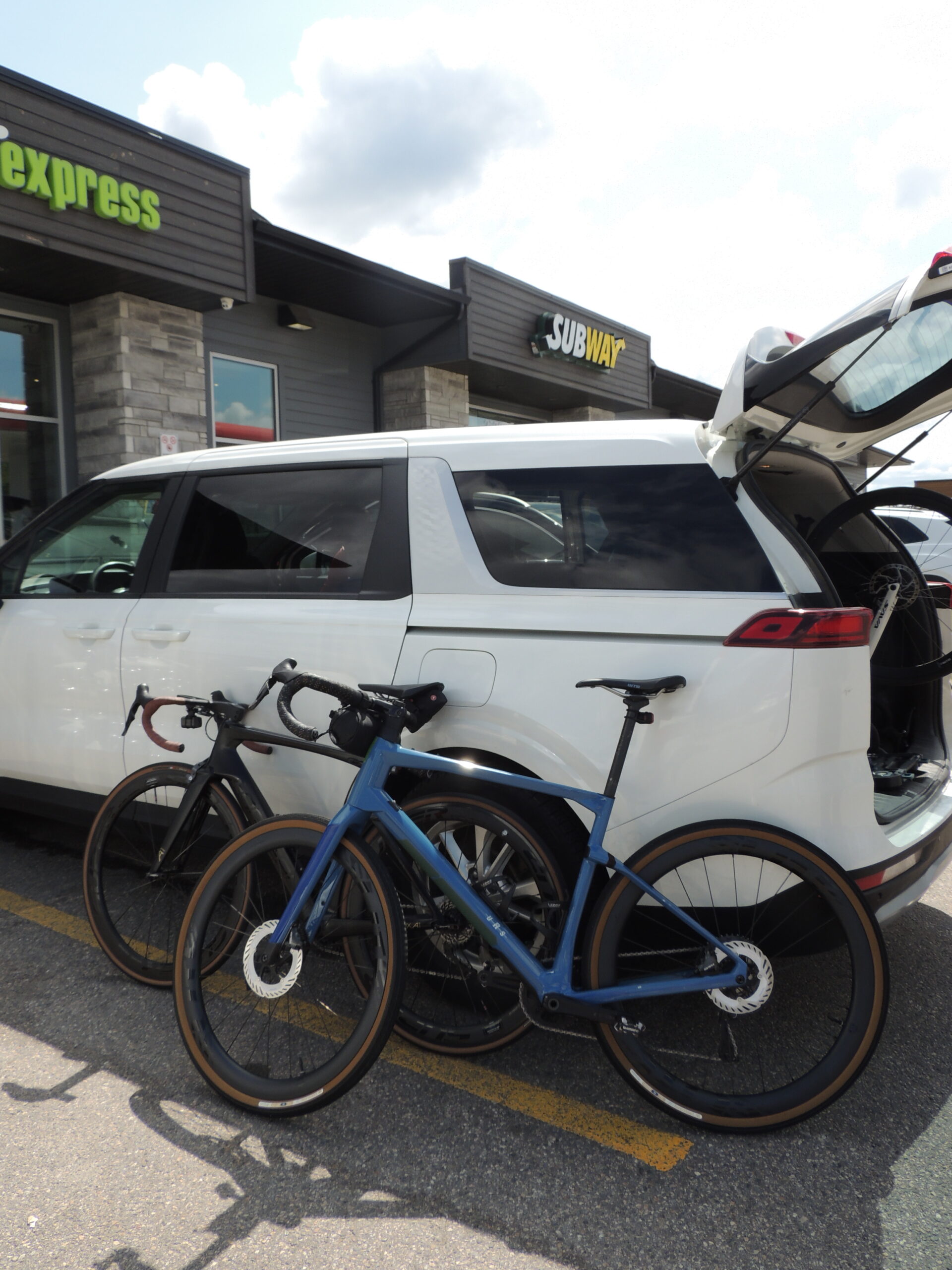
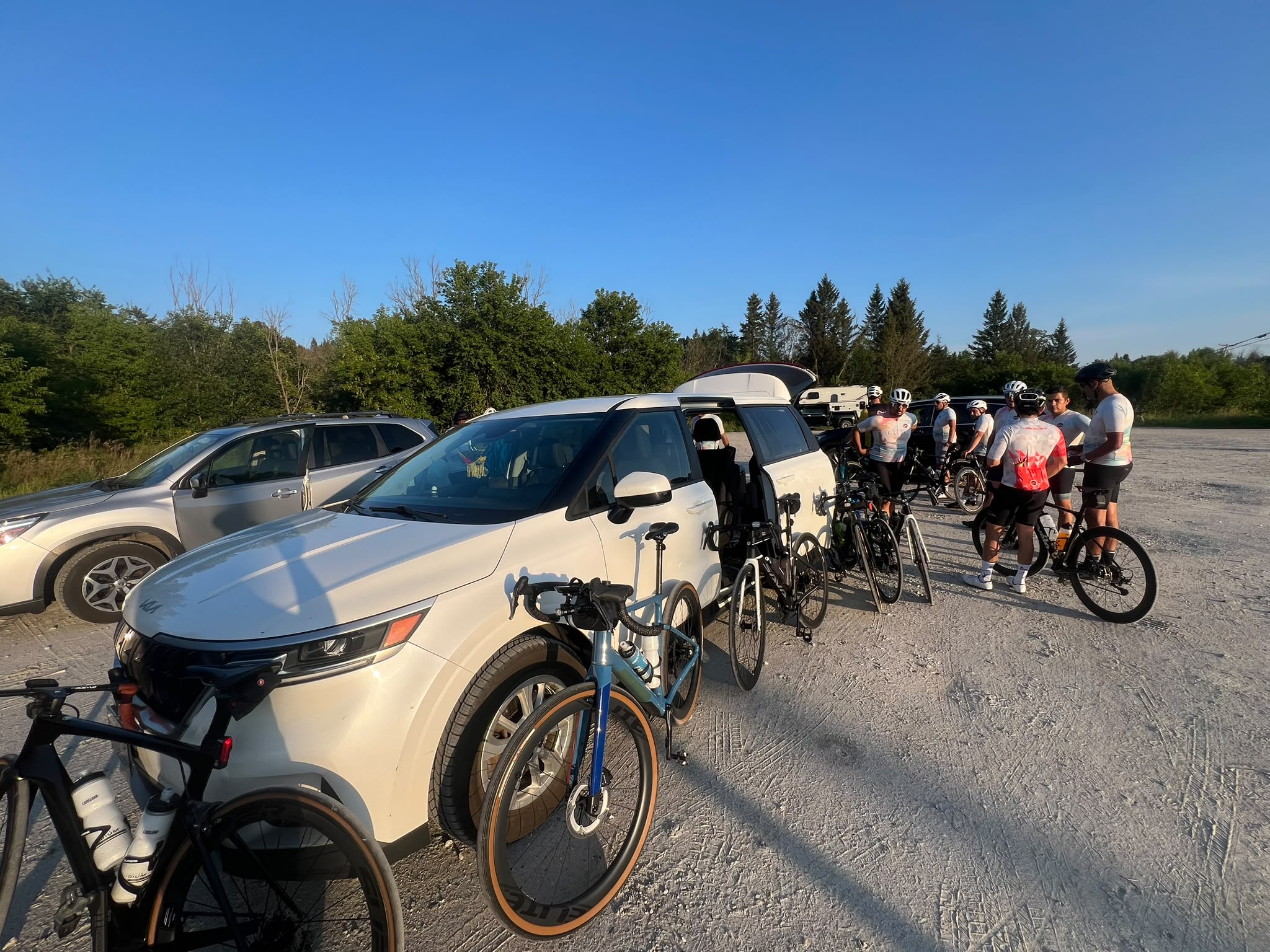
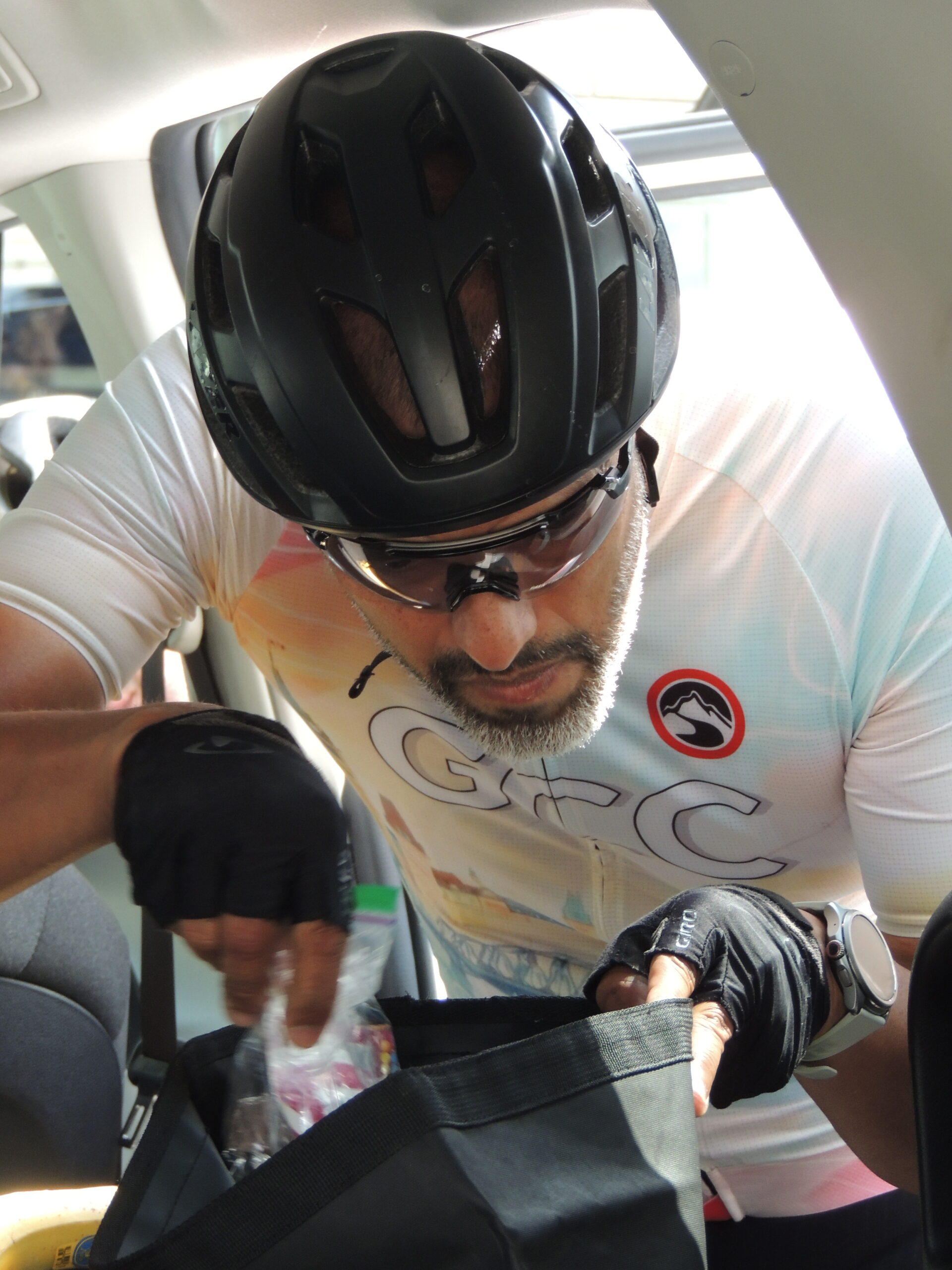
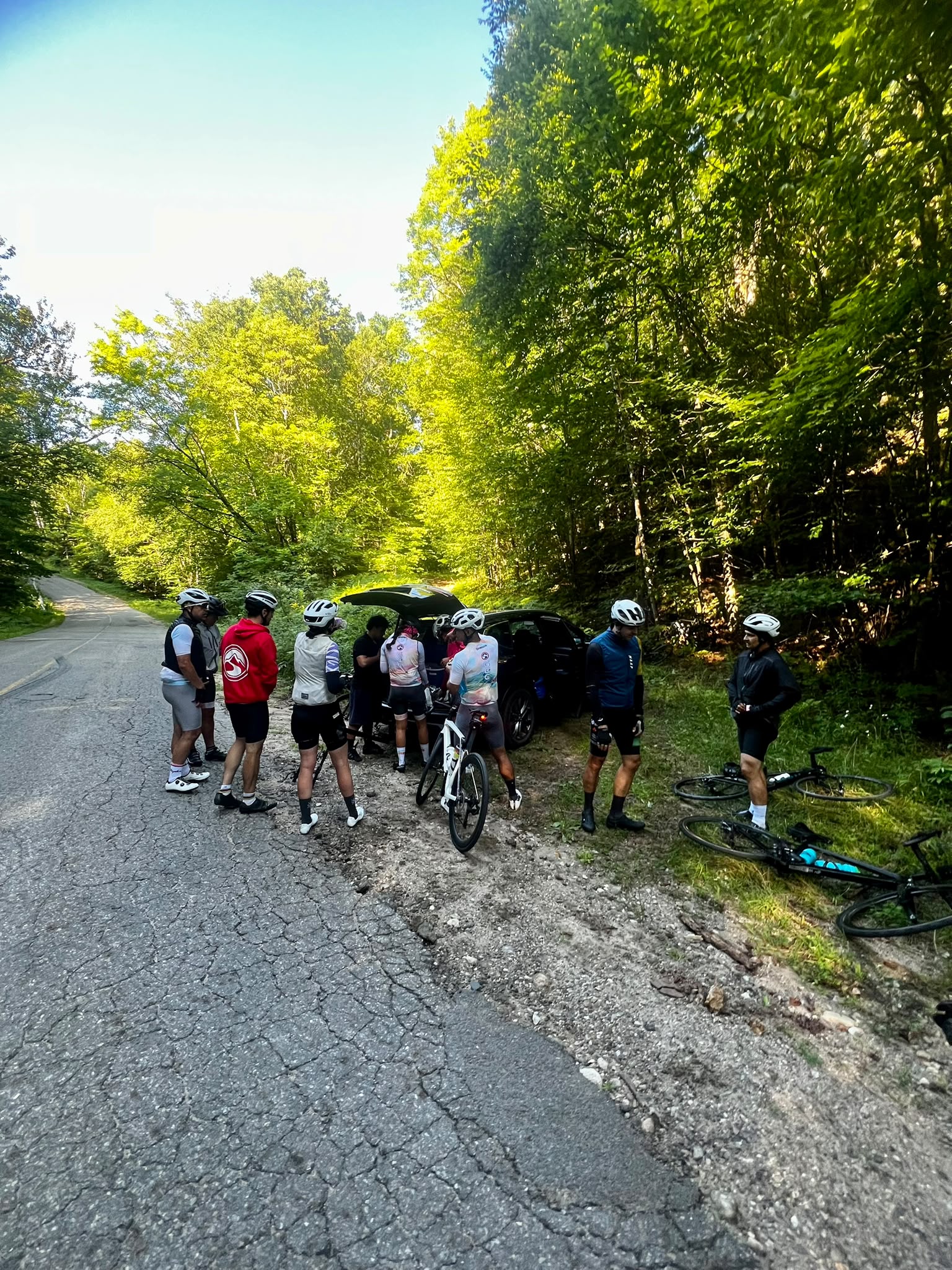
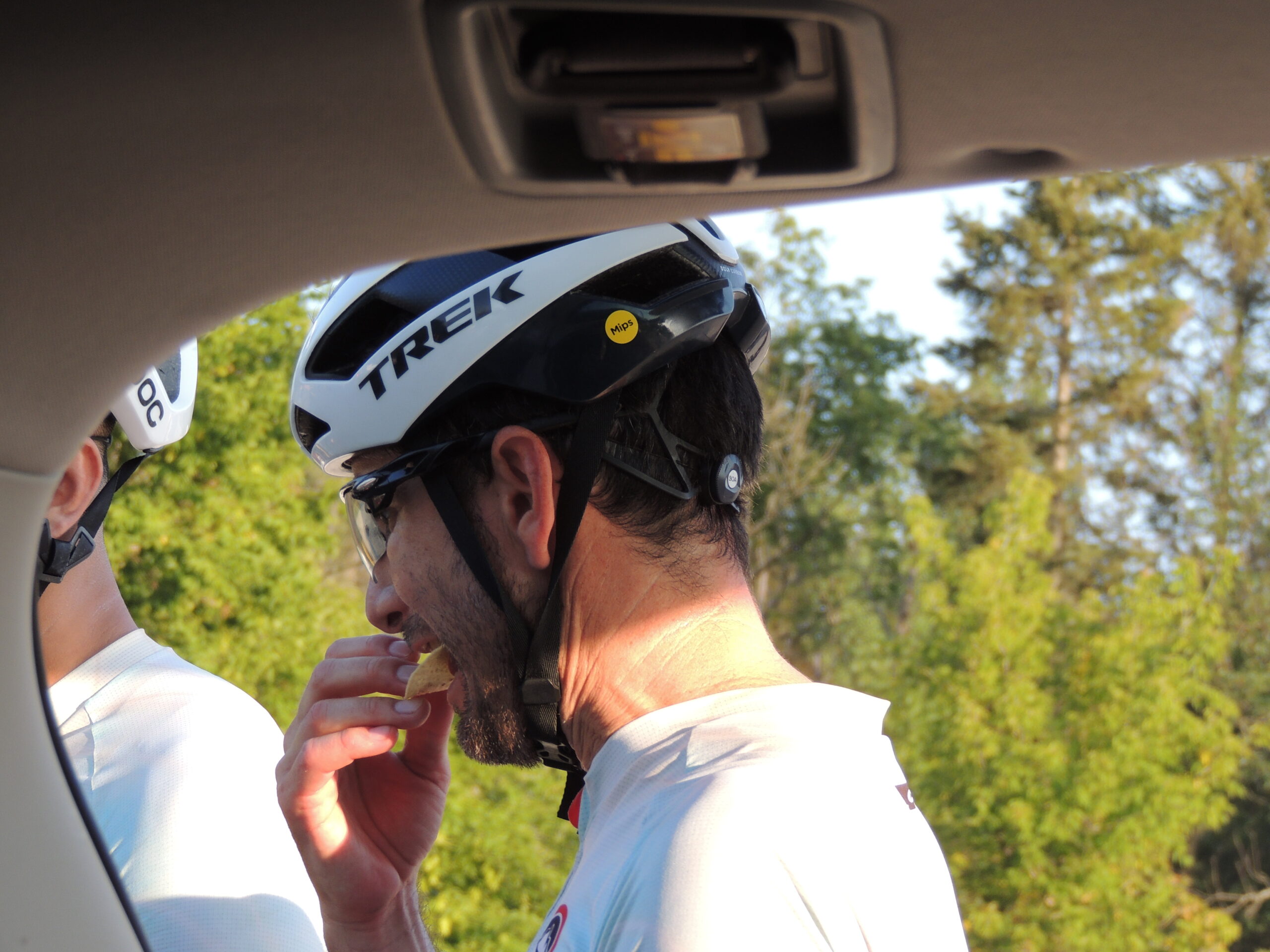
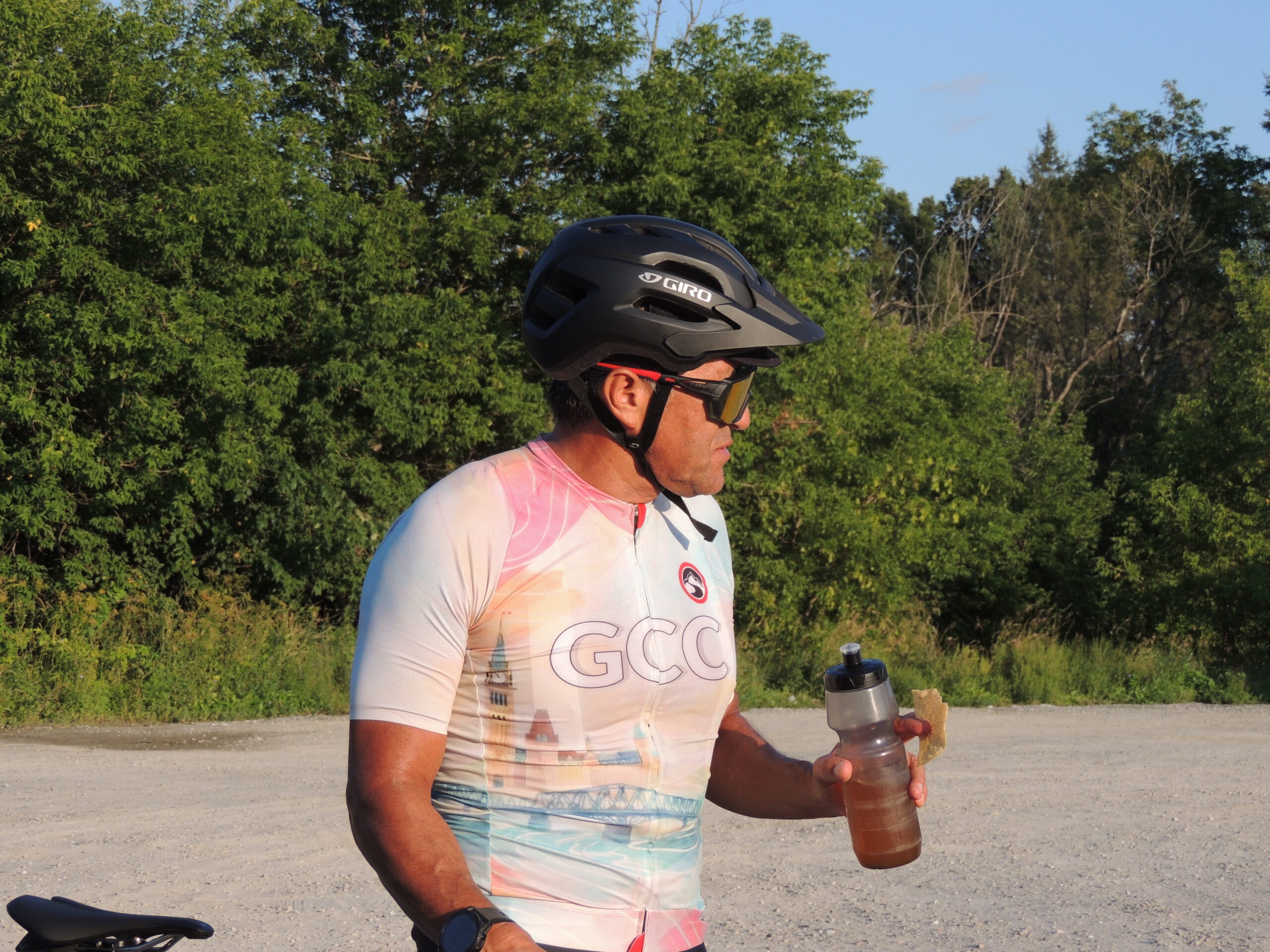
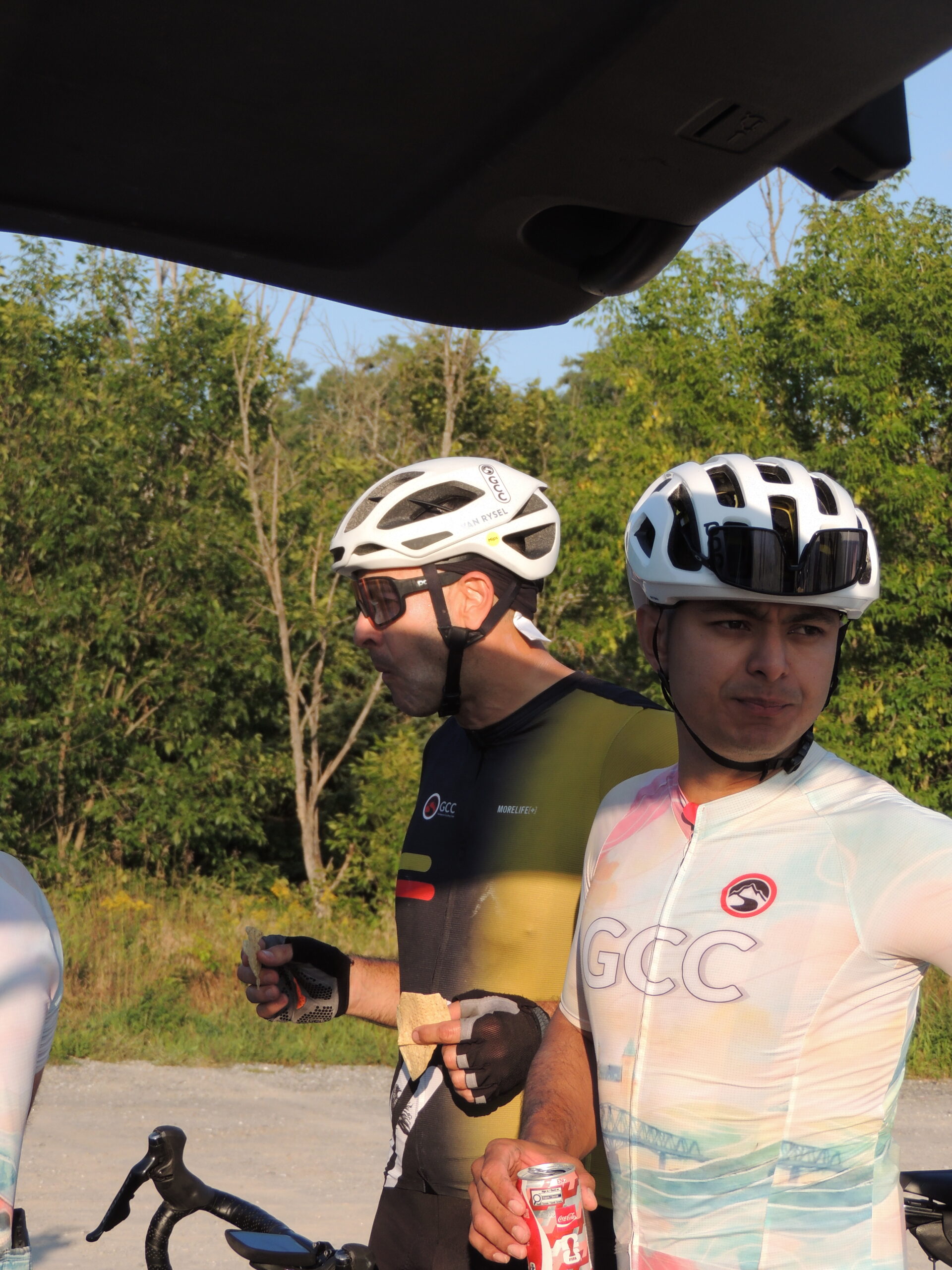
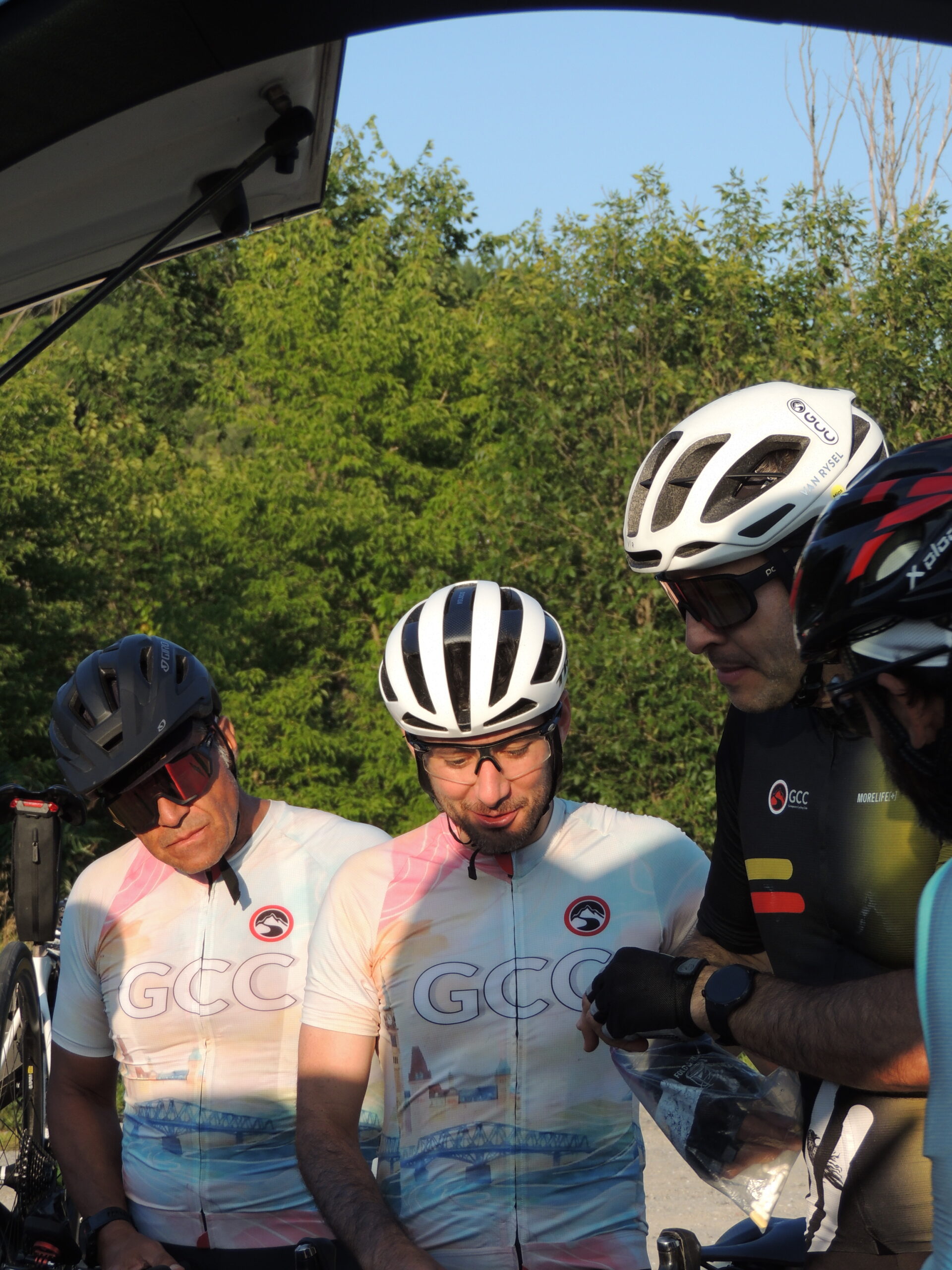
And with them was something equally important: our first support vehicle, loaded with sandwiches, fruit, drinks, and water—our breakfast.
On a ride of this distance, meeting more friends changes your mood. You stop feeling as though you are facing one enormous route and begin seeing it as a series of encounters.
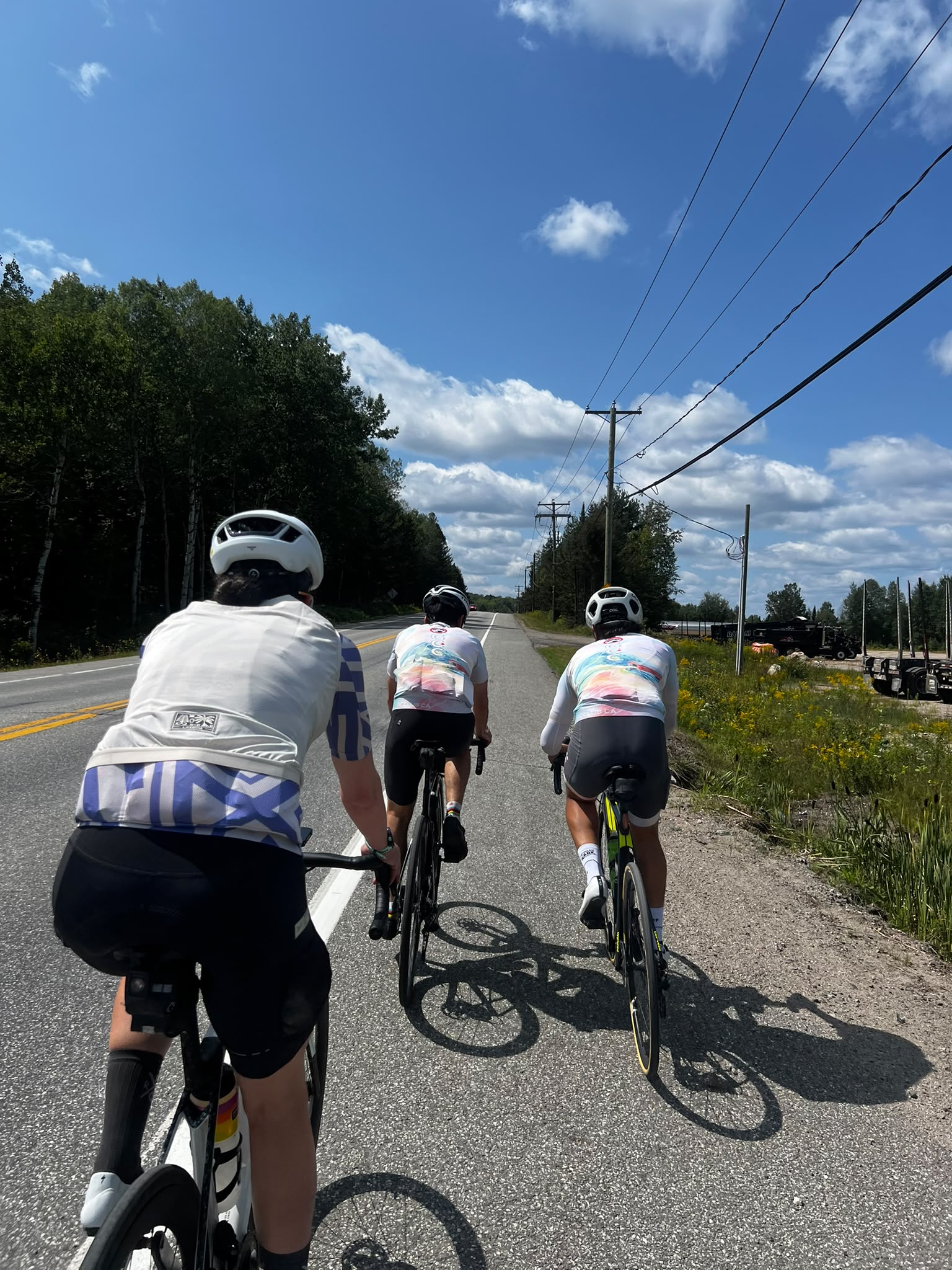
After eating, part of that group rolled out a few minutes ahead of us. Ashley, Danilo, Laura, José, and I followed behind.
But Laura began to lose contact.
The pace slowed, and it became increasingly clear that the injury was setting a limit that determination alone could not overcome.
At around kilometer 145, she made the decision to get into the support vehicle.
At first, it was hard. There was sadness, naturally. She had wanted to be there, and she had worked hard to come back.
But then something happened that became one of the most beautiful stories of the day.
Laura did not leave the Ultrafondo.
She changed roles.
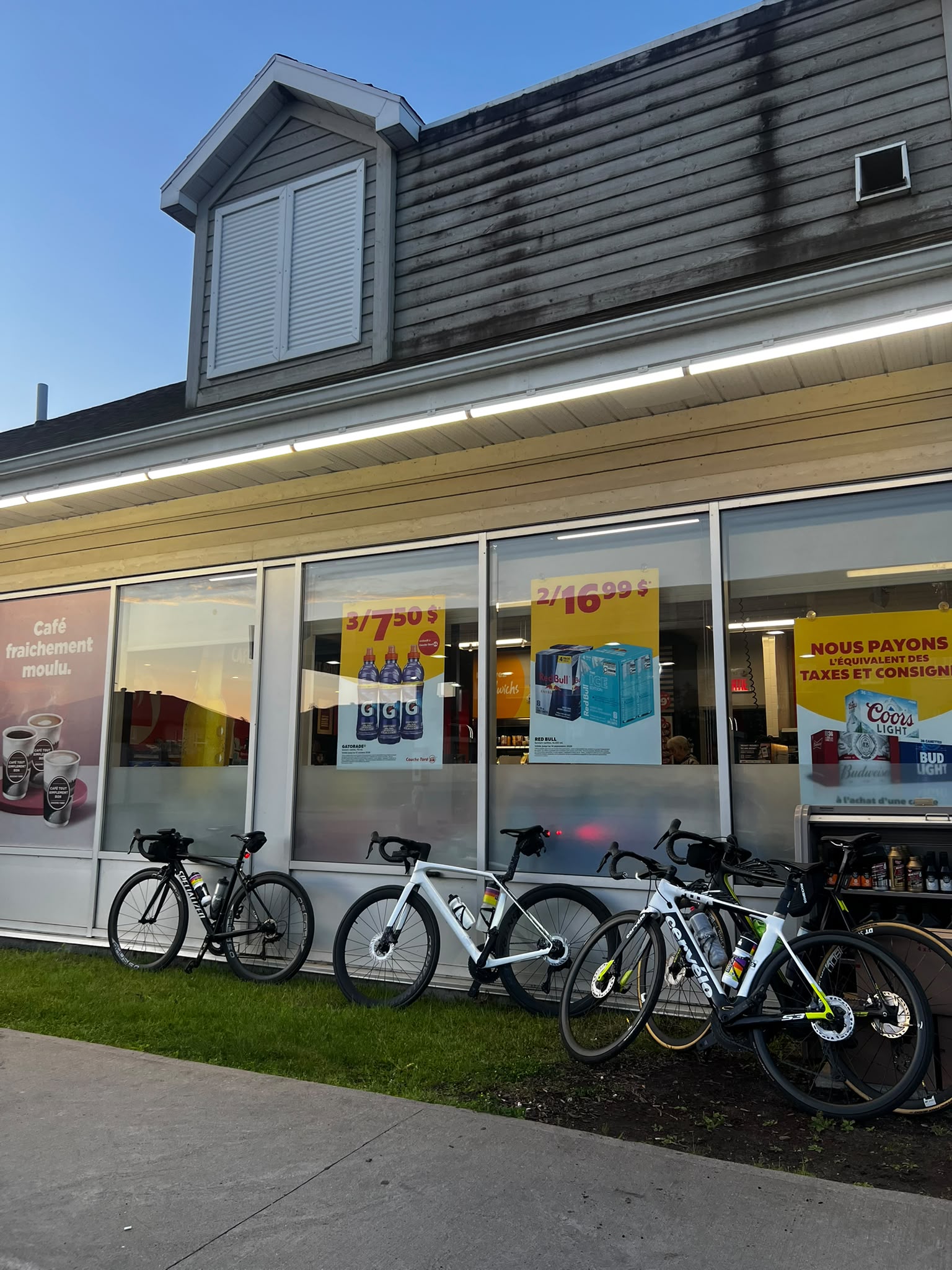
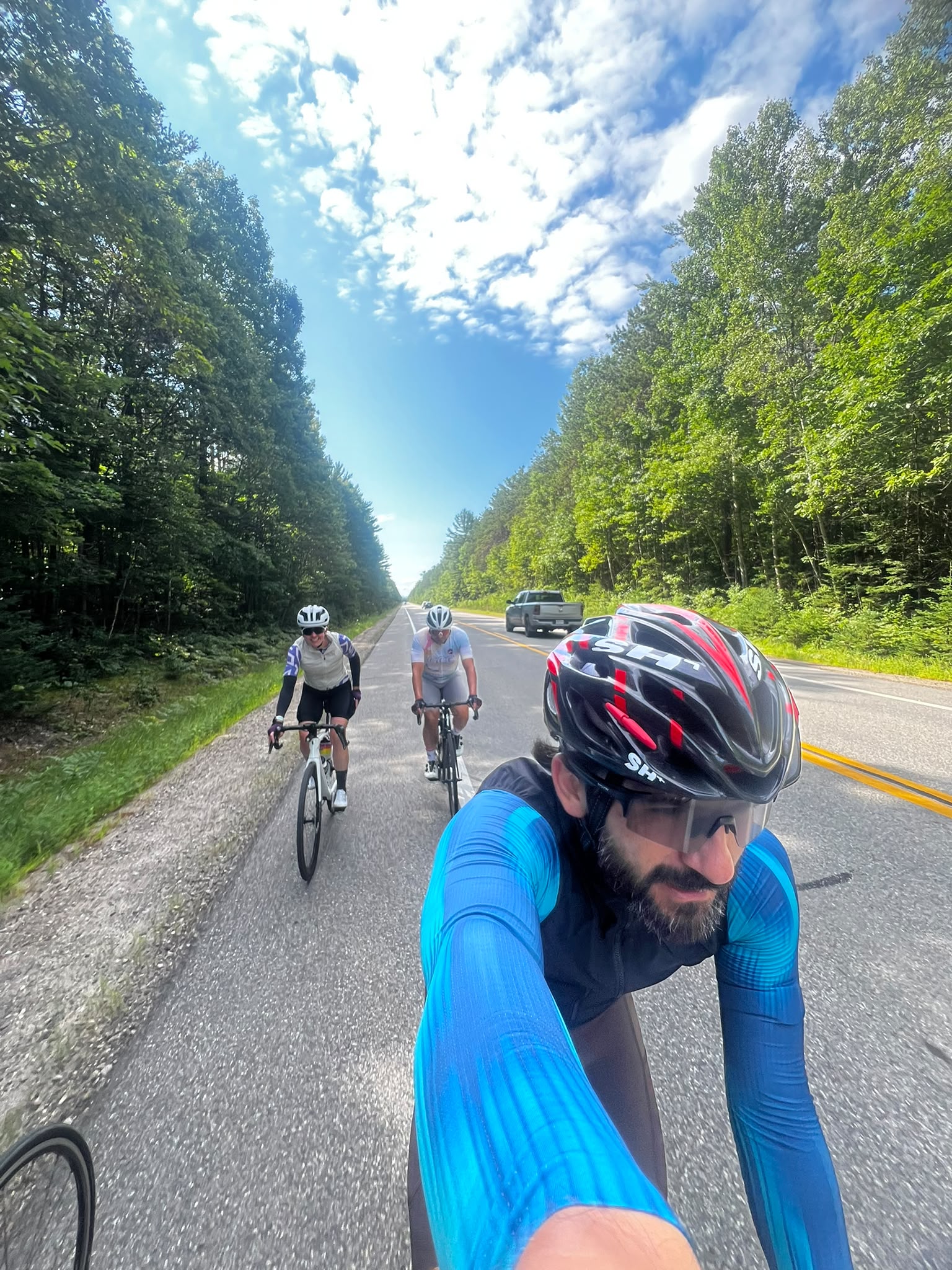
From cyclist to a fundamental part of the support crew
Not long after getting into the vehicle, her mood changed.
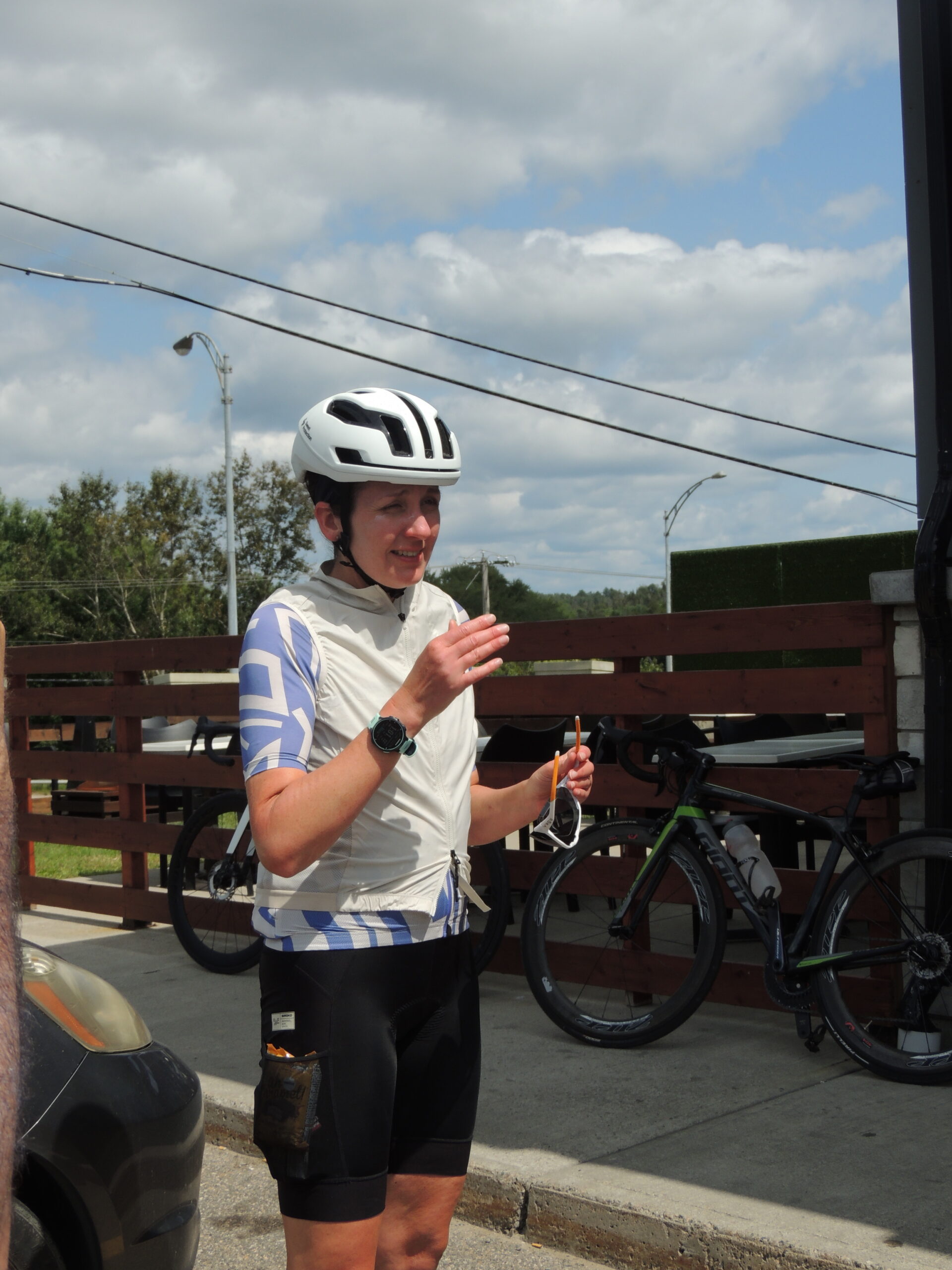
I felt that she stopped thinking only about the kilometers she would no longer be able to ride and began focusing instead on what she could do to help the rest of us keep going.
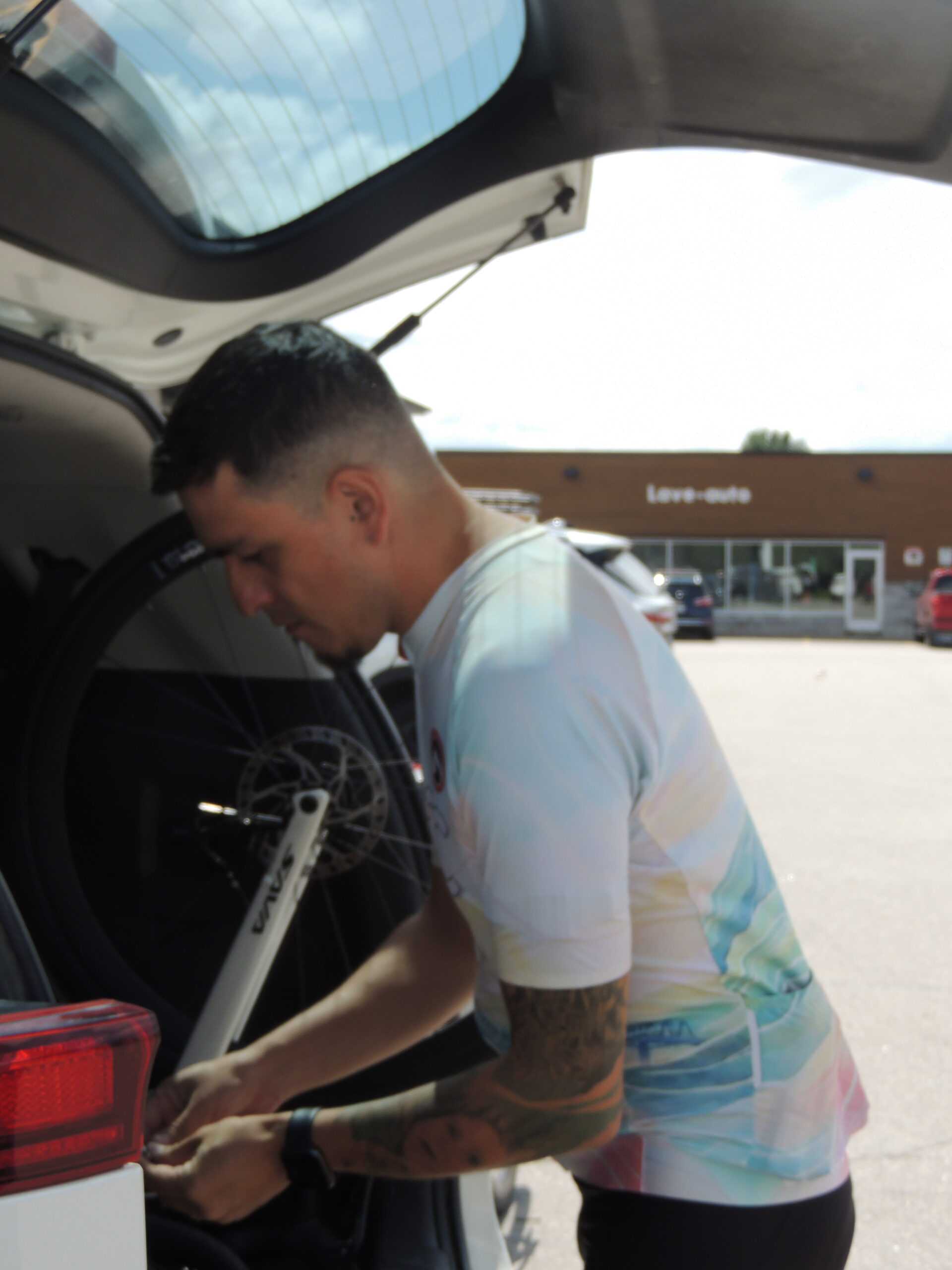
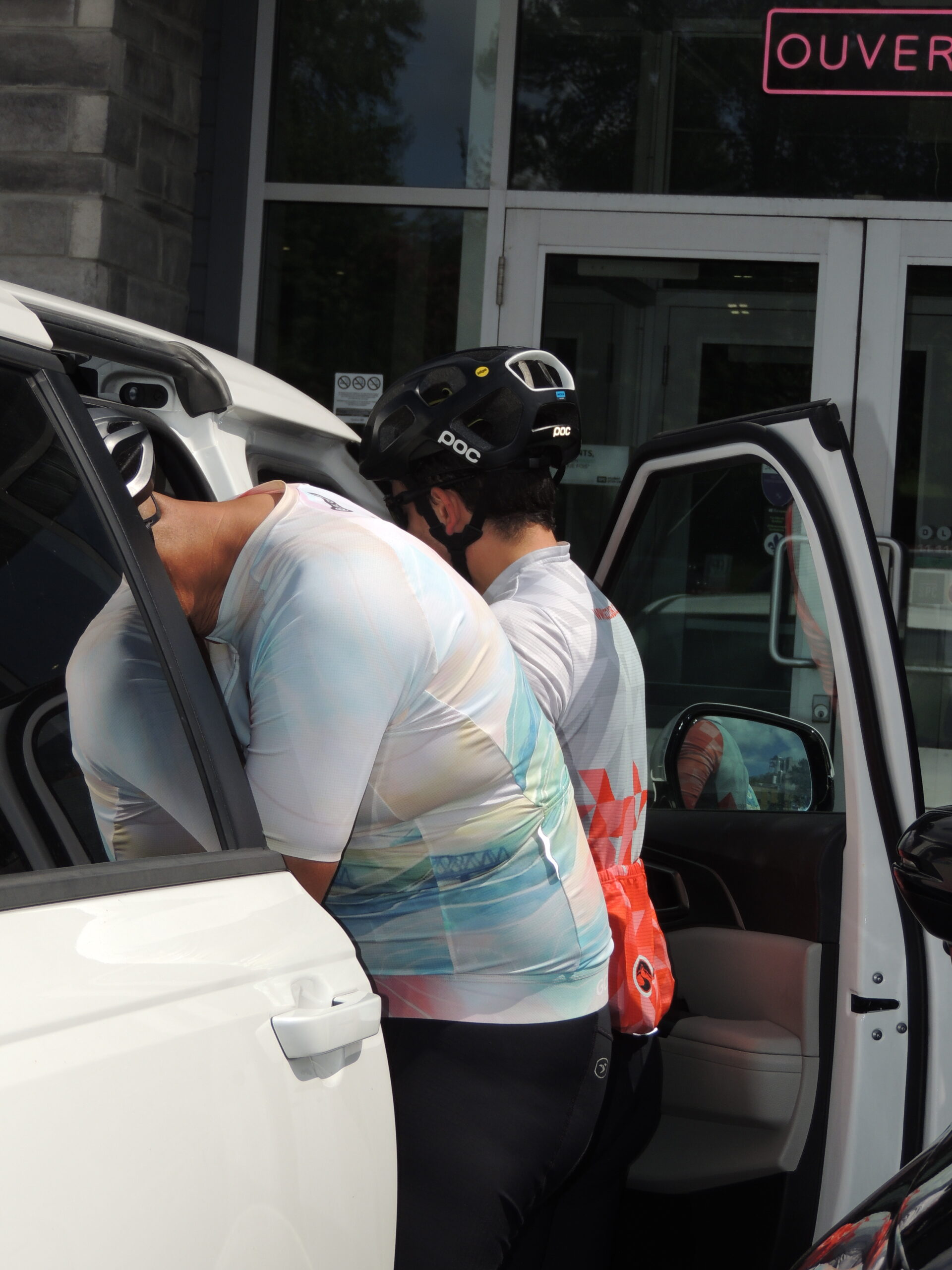
She became one of our main support people, helping with food, drinks, logistics, and, above all, morale.
It was important for us to see her that way too. Knowing that she was okay allowed us to keep riding without carrying the concern that she might be pushing an injury simply to finish the challenge.
Alongside her were Luchi and Juan Felipe, each responsible for one of the support vehicles.
It is hard to explain how much a day like this changes when you know that, a few dozen kilometers down the road, someone will be waiting for you.
We would arrive and there they were with food, drinks, already looking for whatever we needed before we had even finished getting off the bike.
At one point I told them: I felt like a VIP.
I was not exaggerating that much.
While we were riding, they were doing their own Ultrafondo.
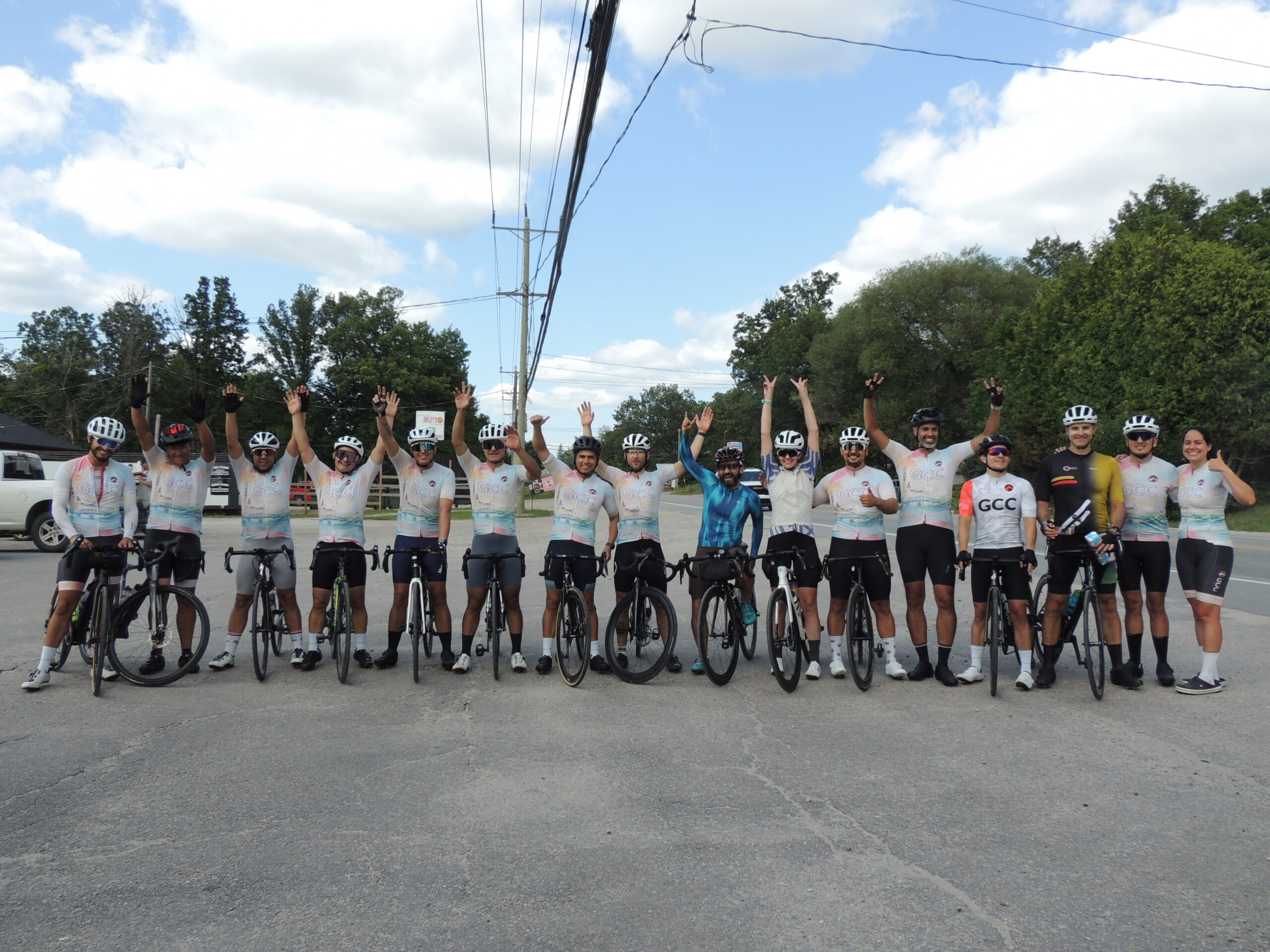
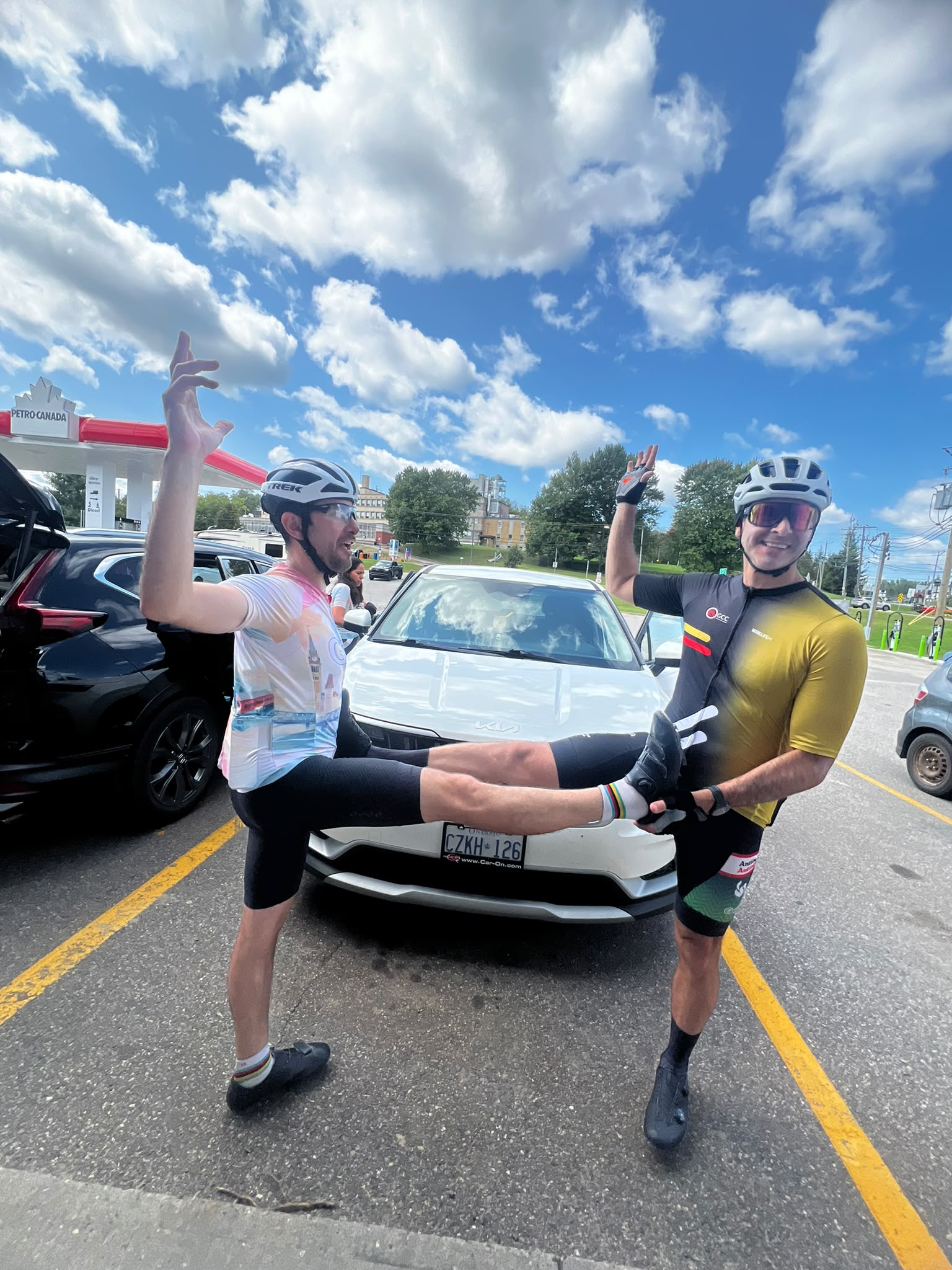
A group being built along the road
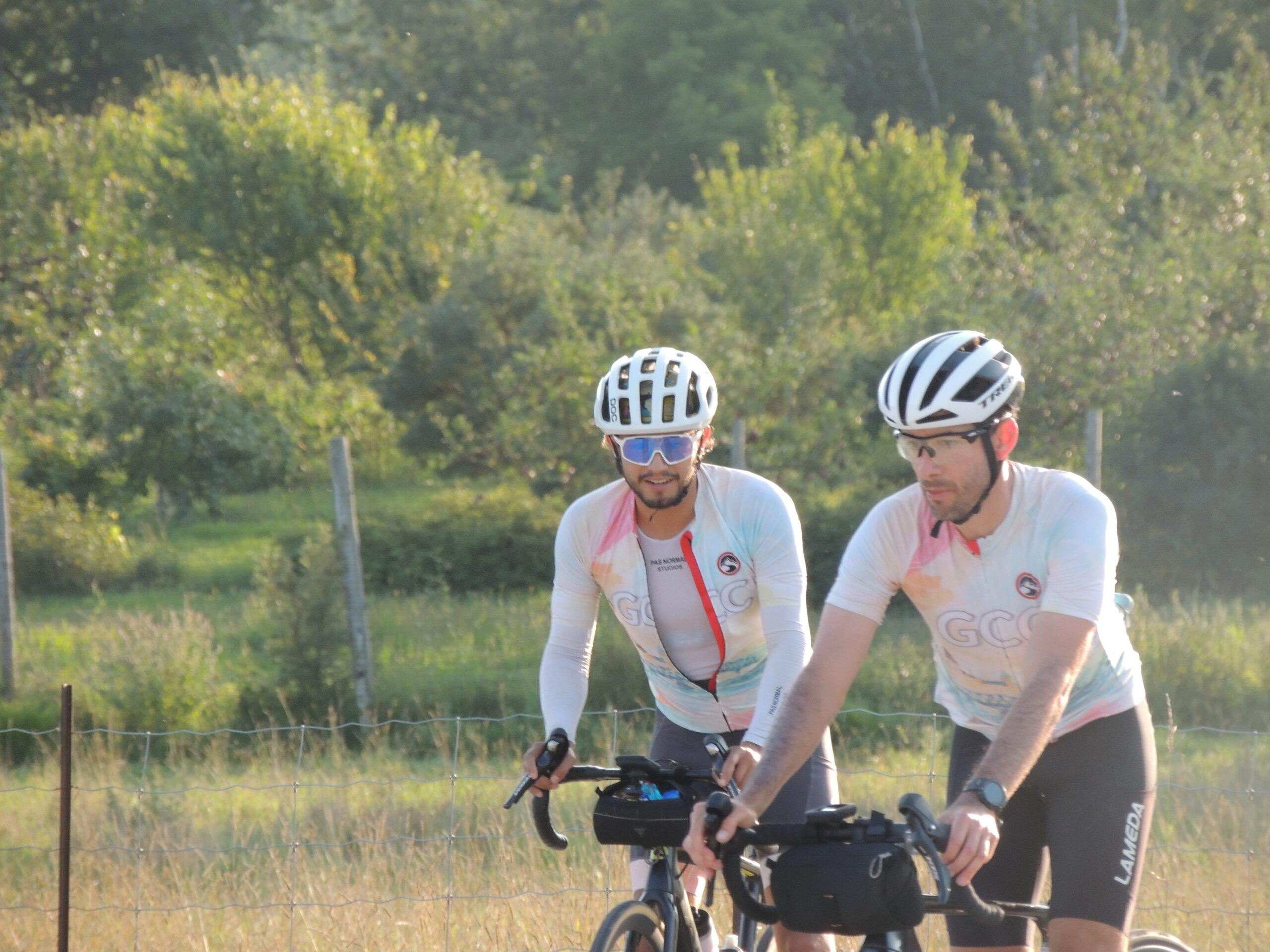
After Laura got into the support vehicle, José, Ashley, Danilo, and I regrouped. The pace increased, and we started chasing the group that was a few minutes ahead.
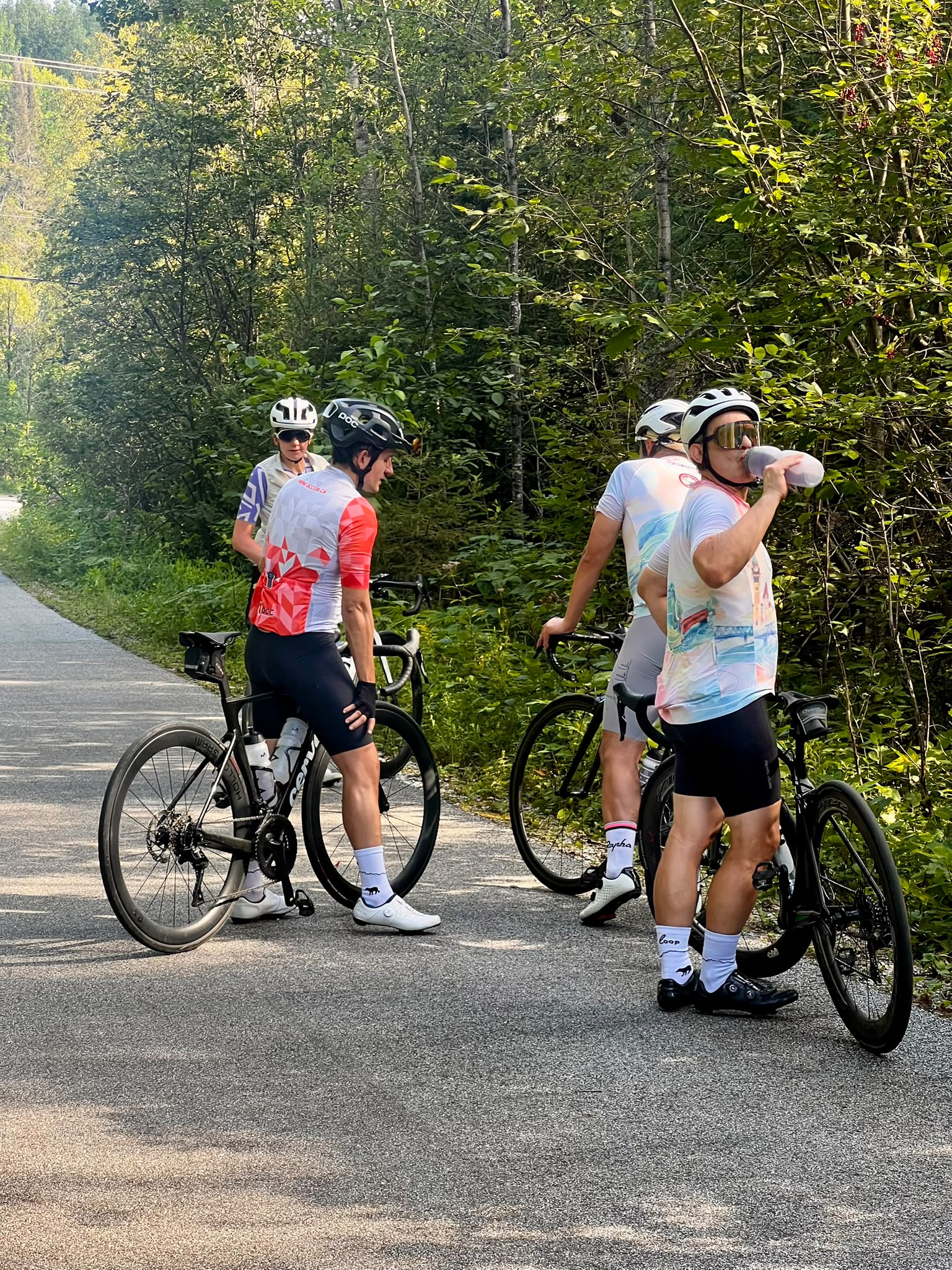
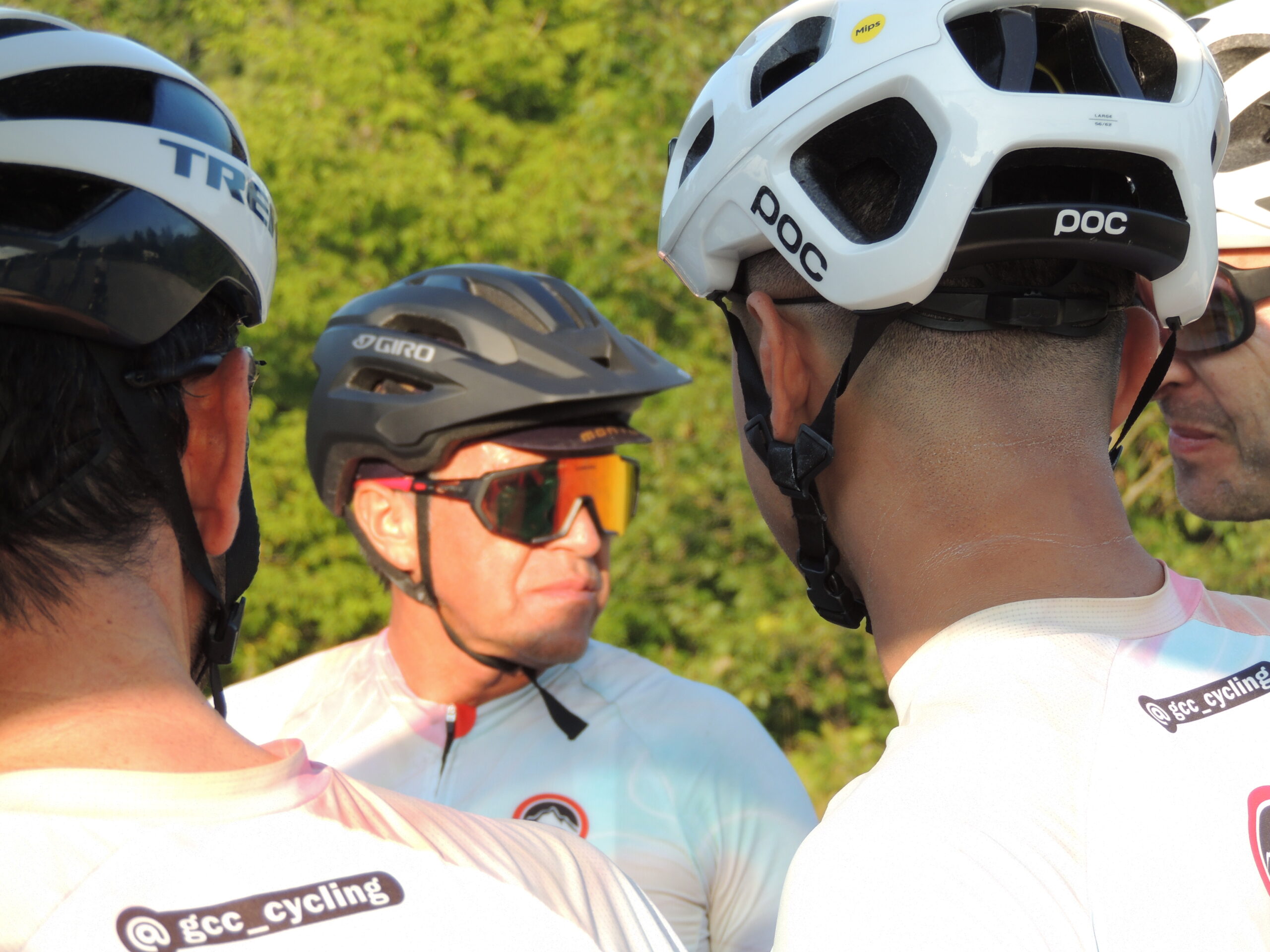
The pattern of the day began to repeat itself: reconnect, ride together, stop, reorganize, and head out again.
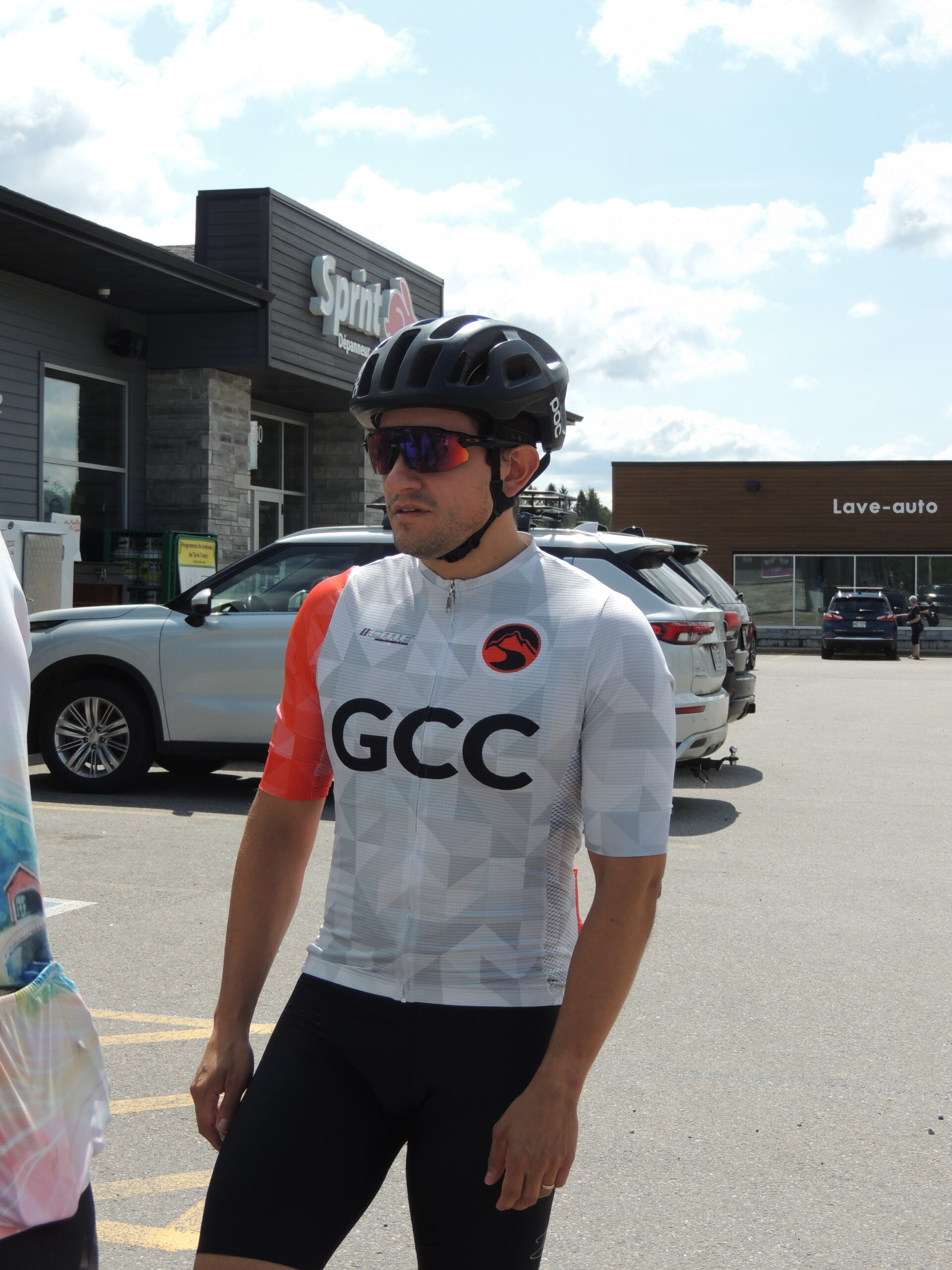
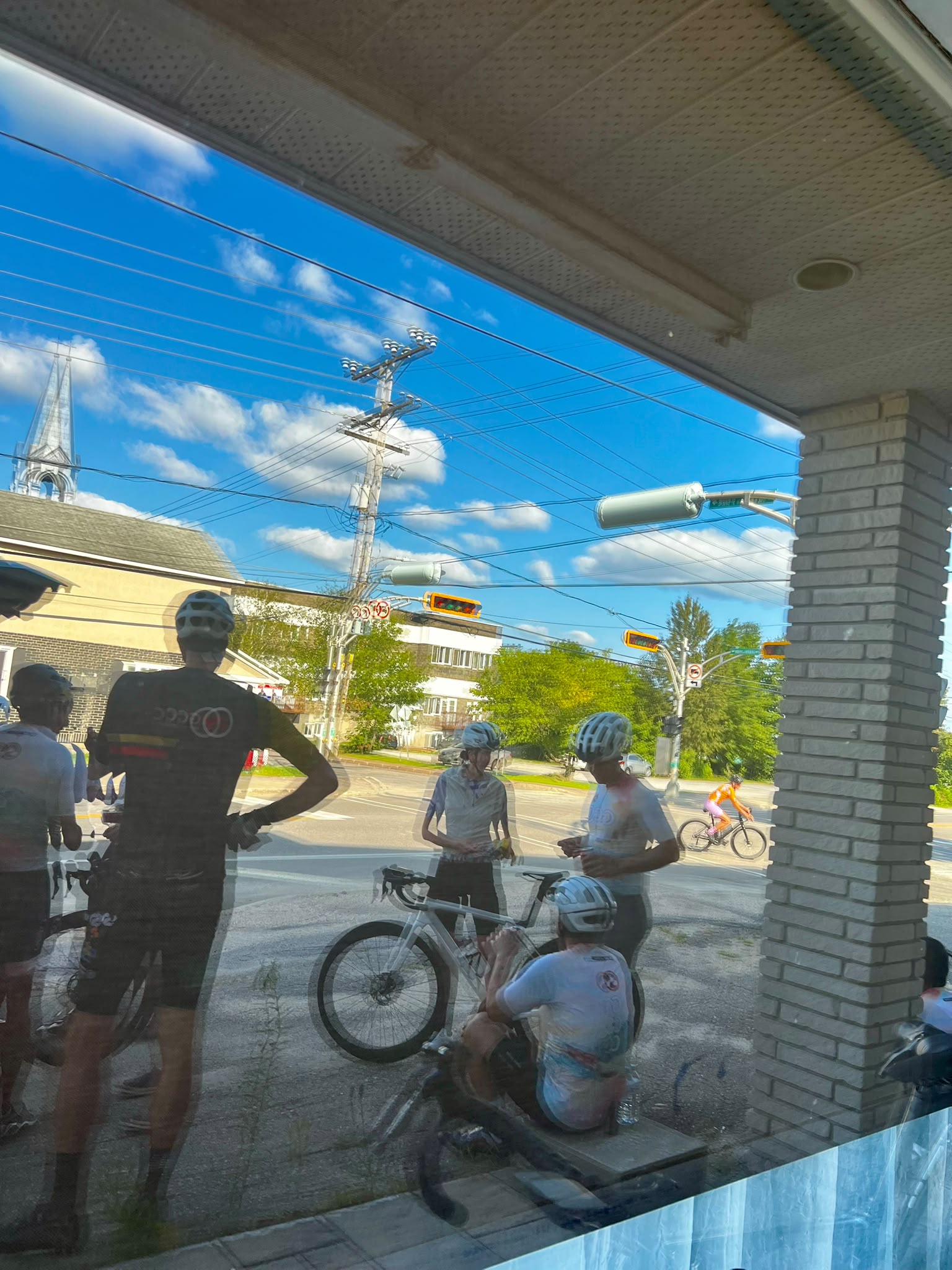
At around 200 kilometers, we arrived in Mont-Laurier, where another group was waiting for us: José Aquiles, Francisco, Juan Sánchez, and Andrew.
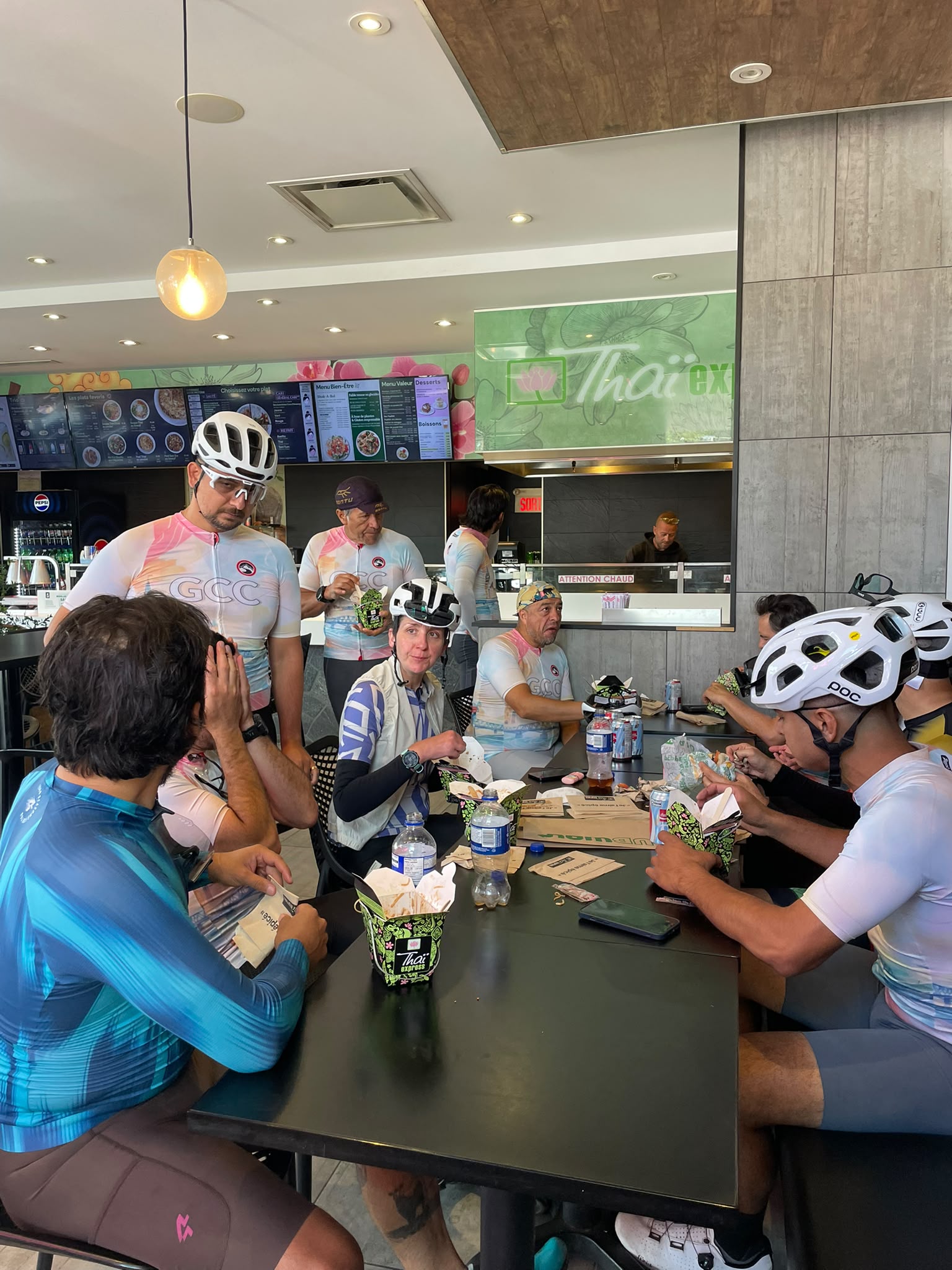
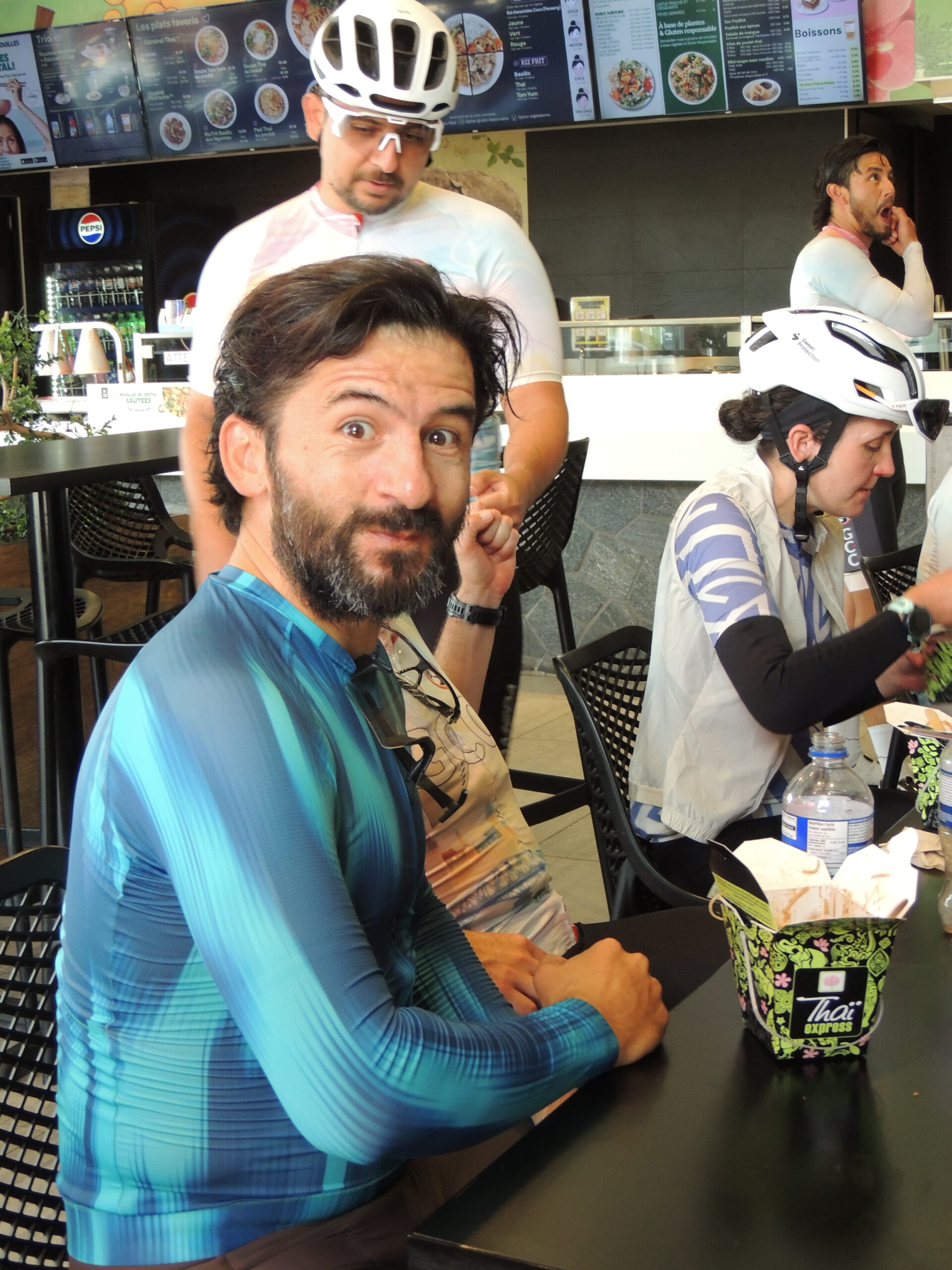
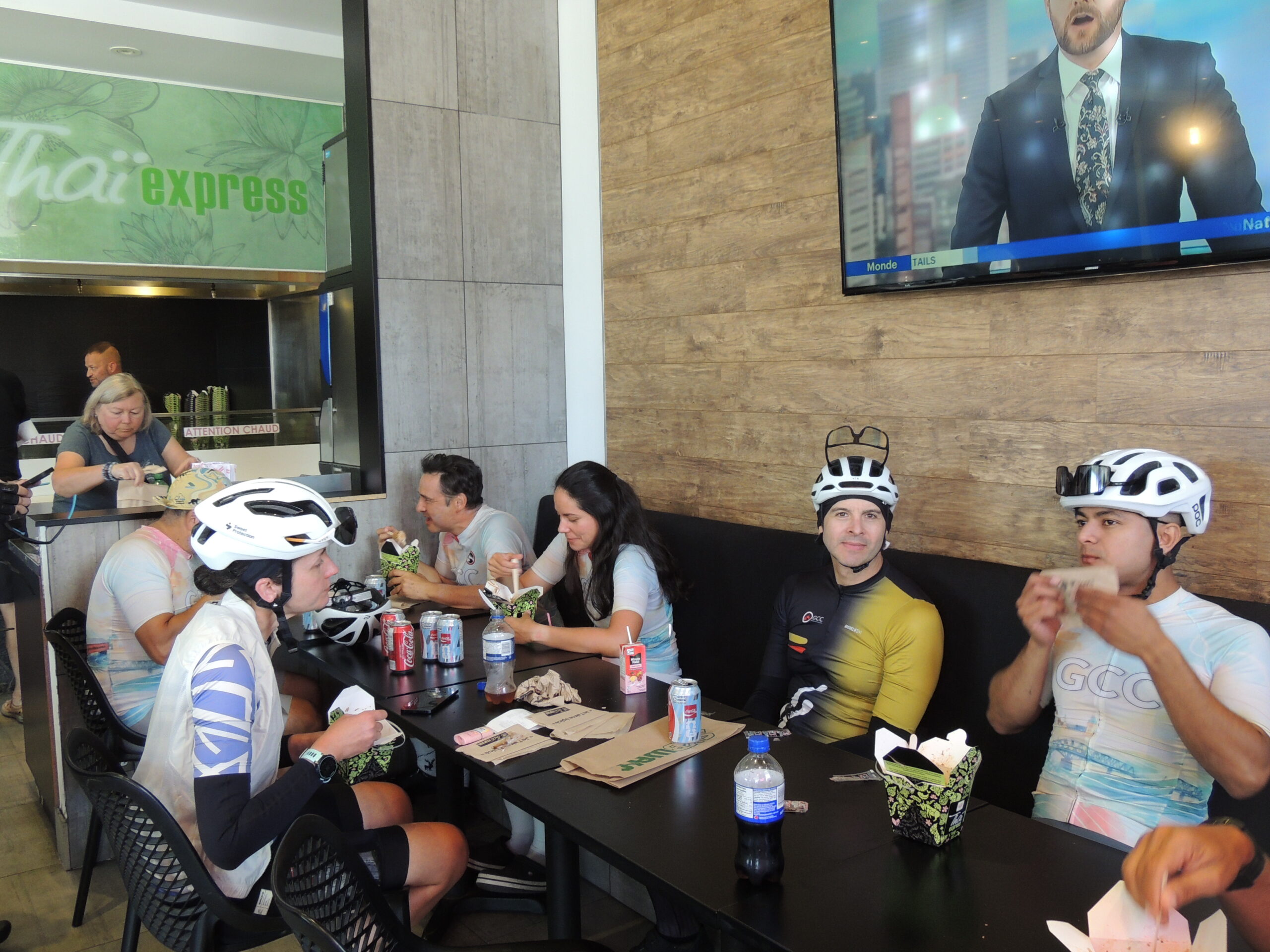
That was the closest thing we had to a lunch stop.
And I say a “metro stop” 🤭 because one of the things that worked best this year was precisely not turning our resupply stops into endless breaks.
We ate, refilled our bottles, organized whatever we needed, and got back on the road.
After lessons learned on previous rides, we did not want a closed restaurant, an overly long wait, or a schedule change to decide when we were able to eat.
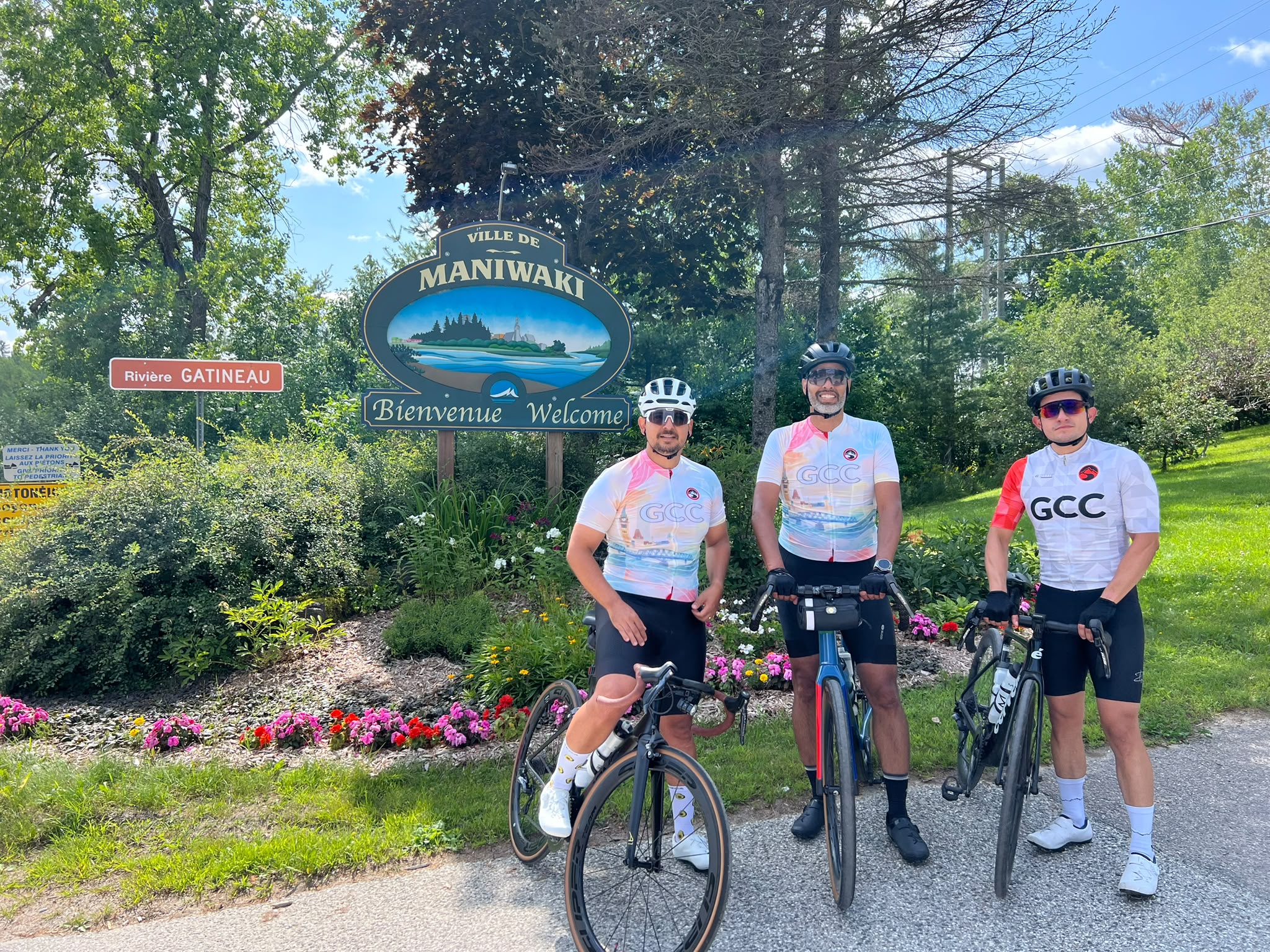
Later, we reached Maniwaki, the point that marked the turnaround of the route and the beginning of the ride back.
That was where Anderson and Jonathan joined us. They had started from Gatineau Park and had organized their ride differently so they could meet us in Maniwaki and return with us.
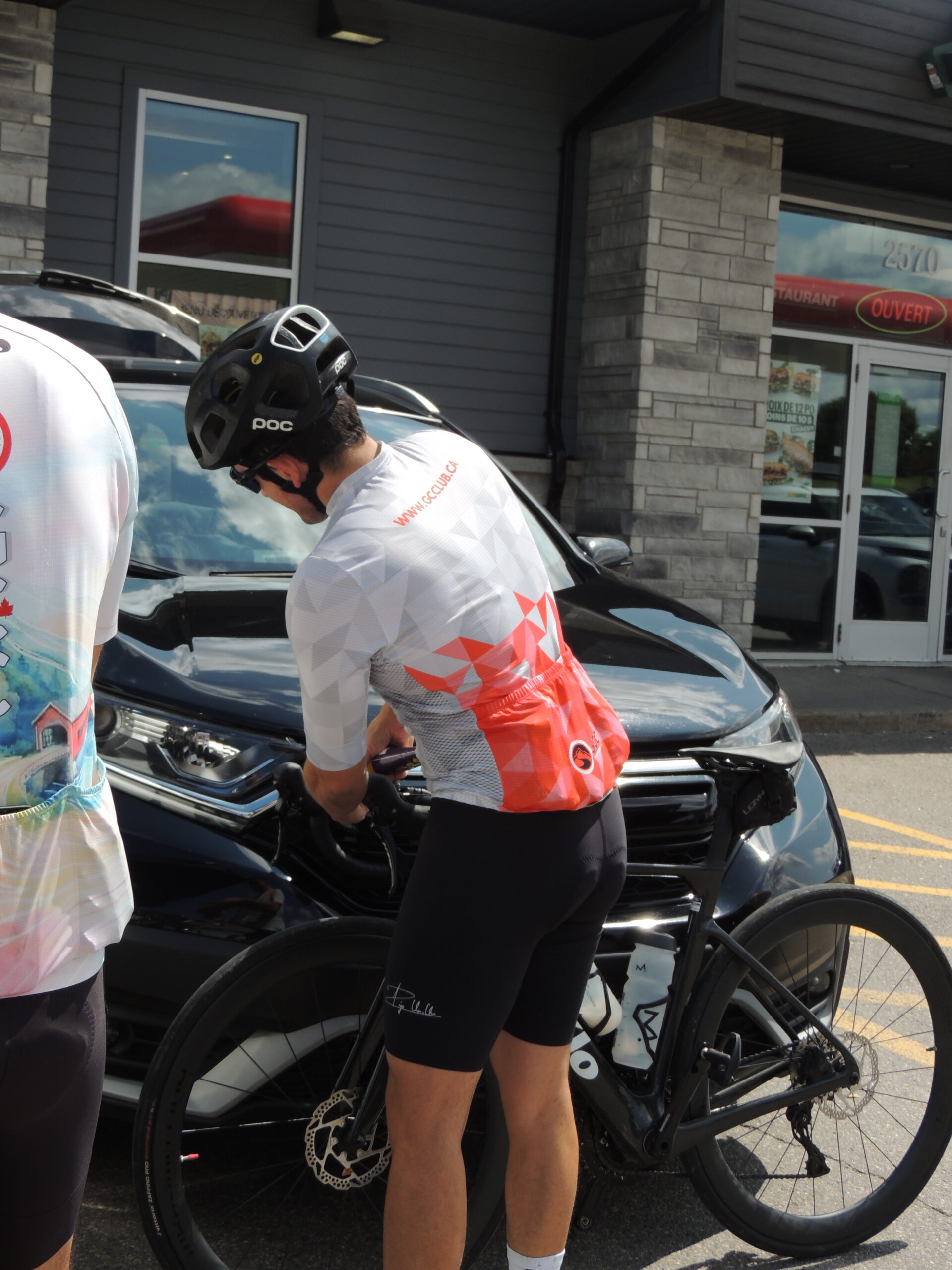
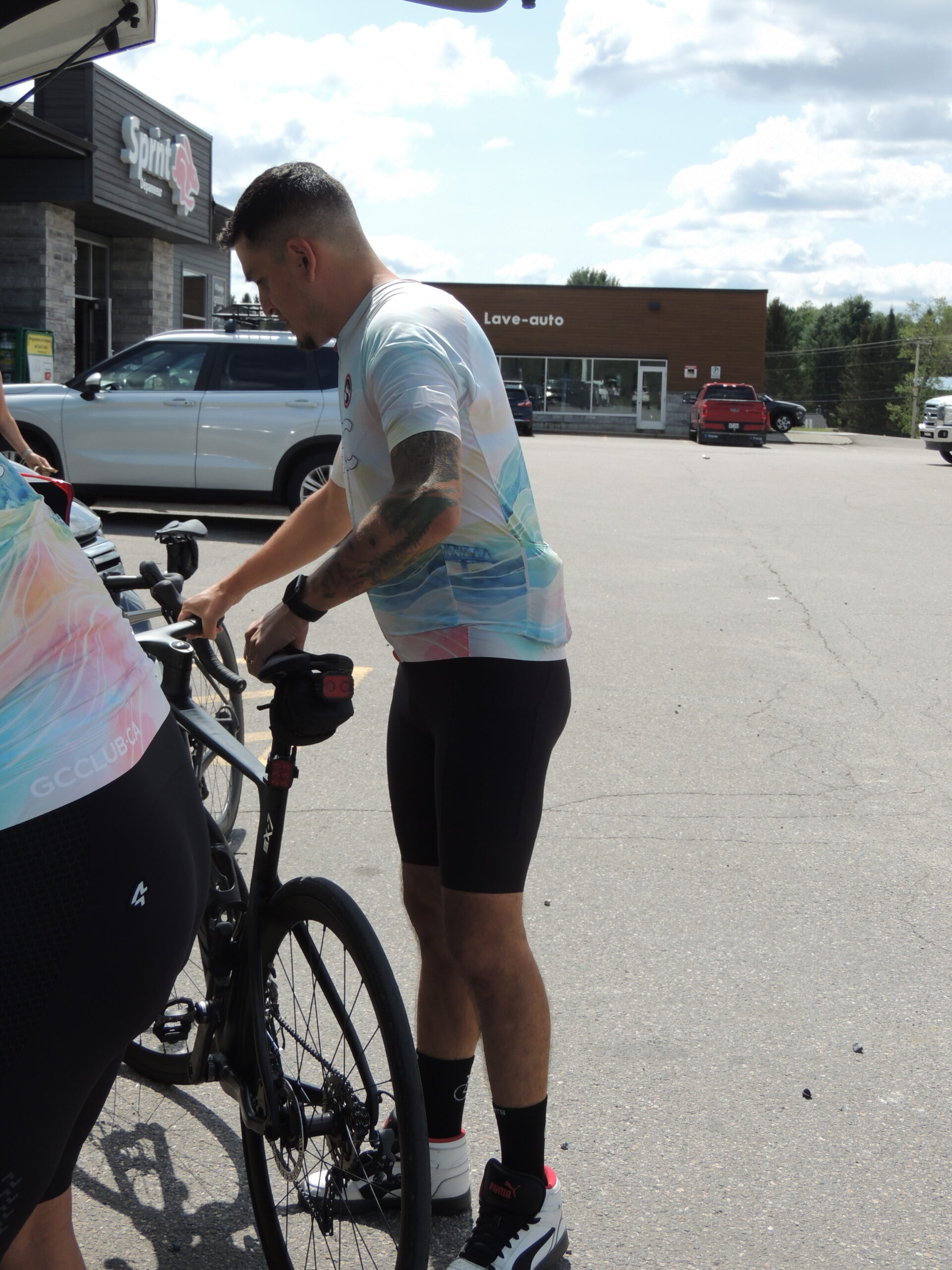
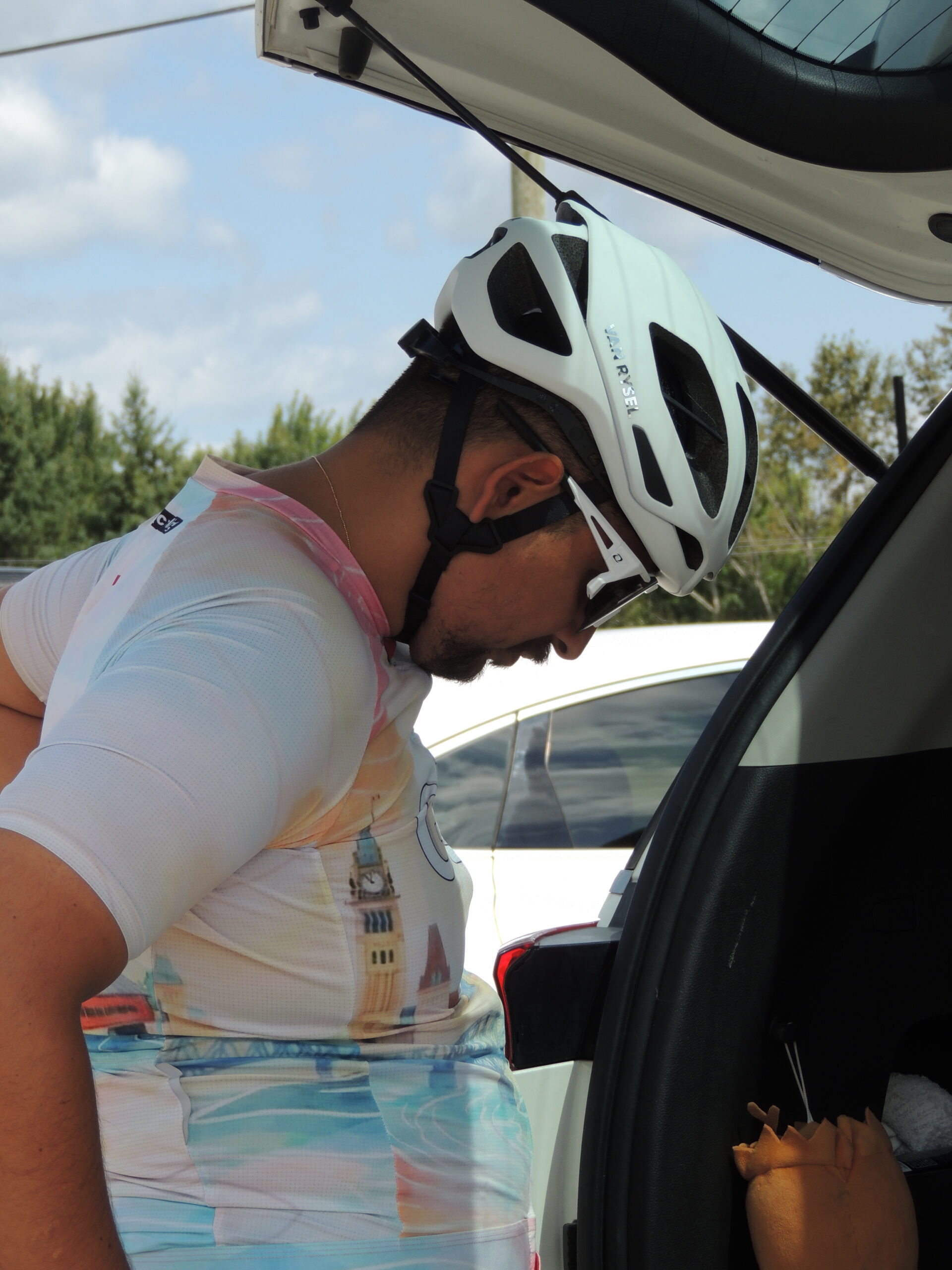
We refilled bottles, stocked up on food, and prepared what we needed for the hours ahead.
By then, the Ultrafondo was no longer the challenge of four people who had left P3 at 3:30 in the morning.
It had become a much larger group, built in stages along the route.
And from Maniwaki, at last, we began the journey home.
The 28 kilometers we almost missed
One of the best parts of the entire ride began in Messines.
From there, we had the option of continuing along the Véloroute des Draveurs for approximately 28 kilometers to Gracefield, riding alongside Lac Blue Sea and Lac Grant.
And we almost skipped it.
At that point, some riders—quite logically—felt that the best choice would be to take the faster option. We still had many kilometers ahead of us, and every minute was starting to matter.
For a while, we questioned whether keeping that section in the route was worth it.
In the end, we decided to ride it.
And it turned out to be one of the best decisions of the day.
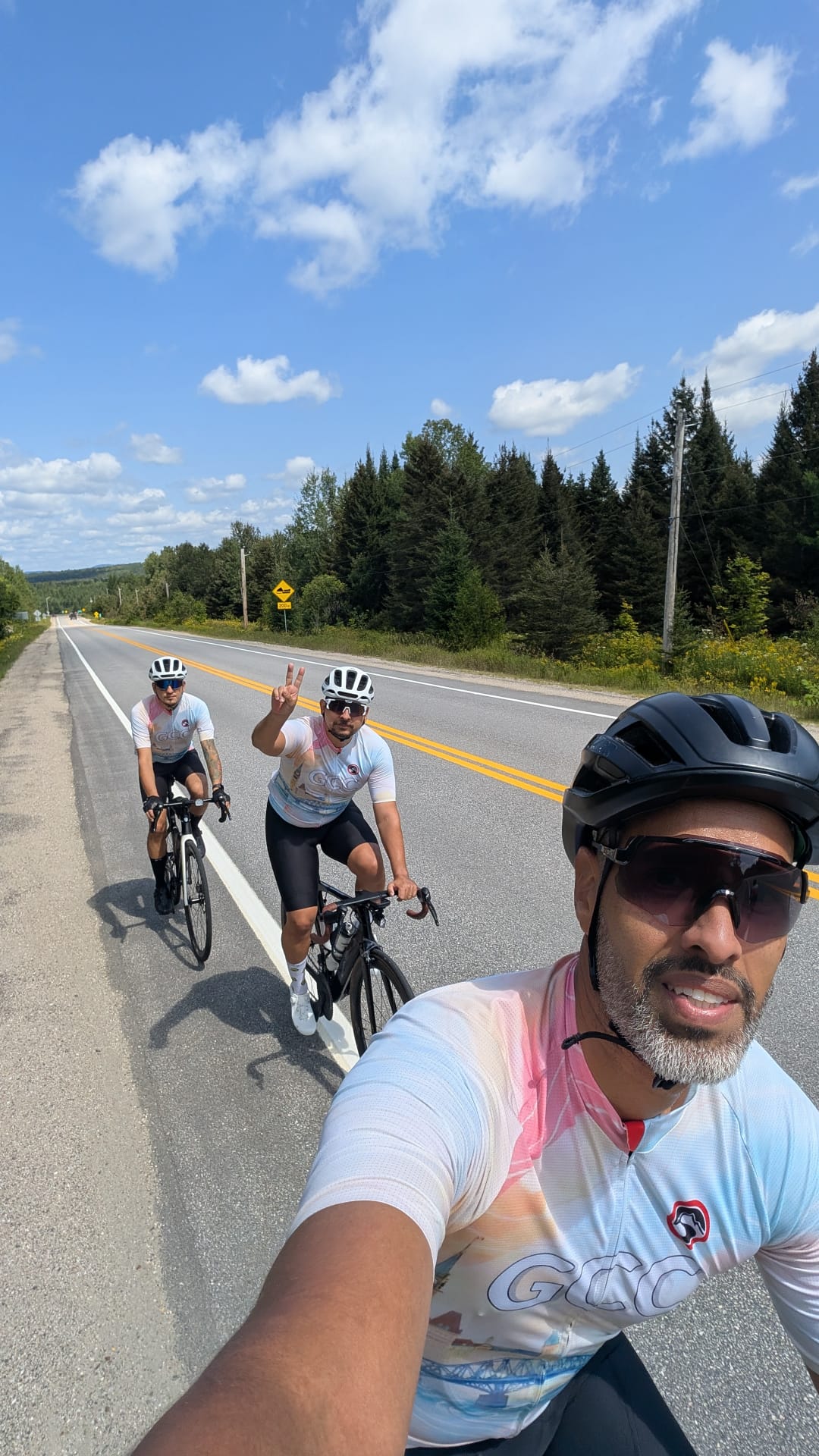
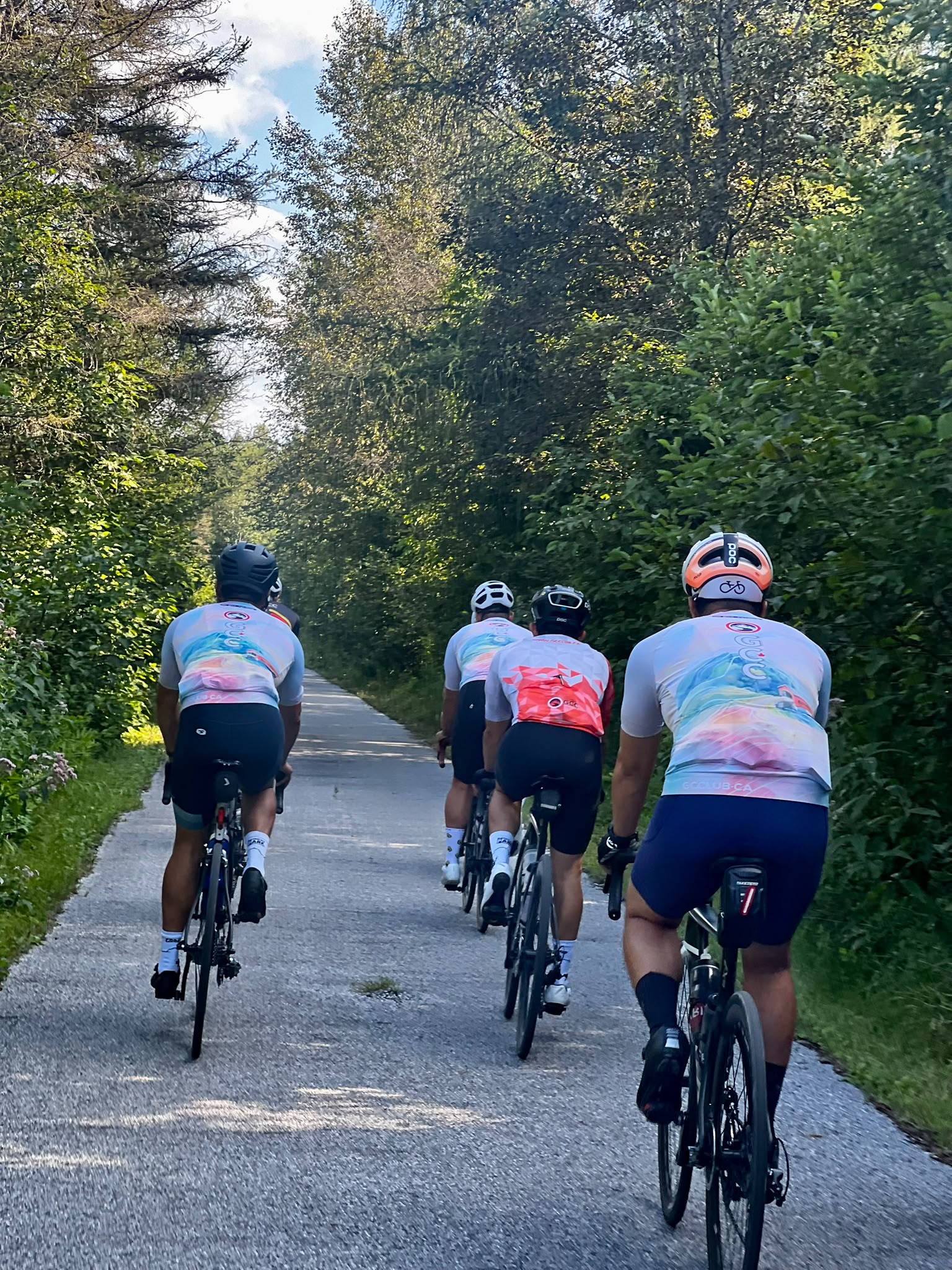
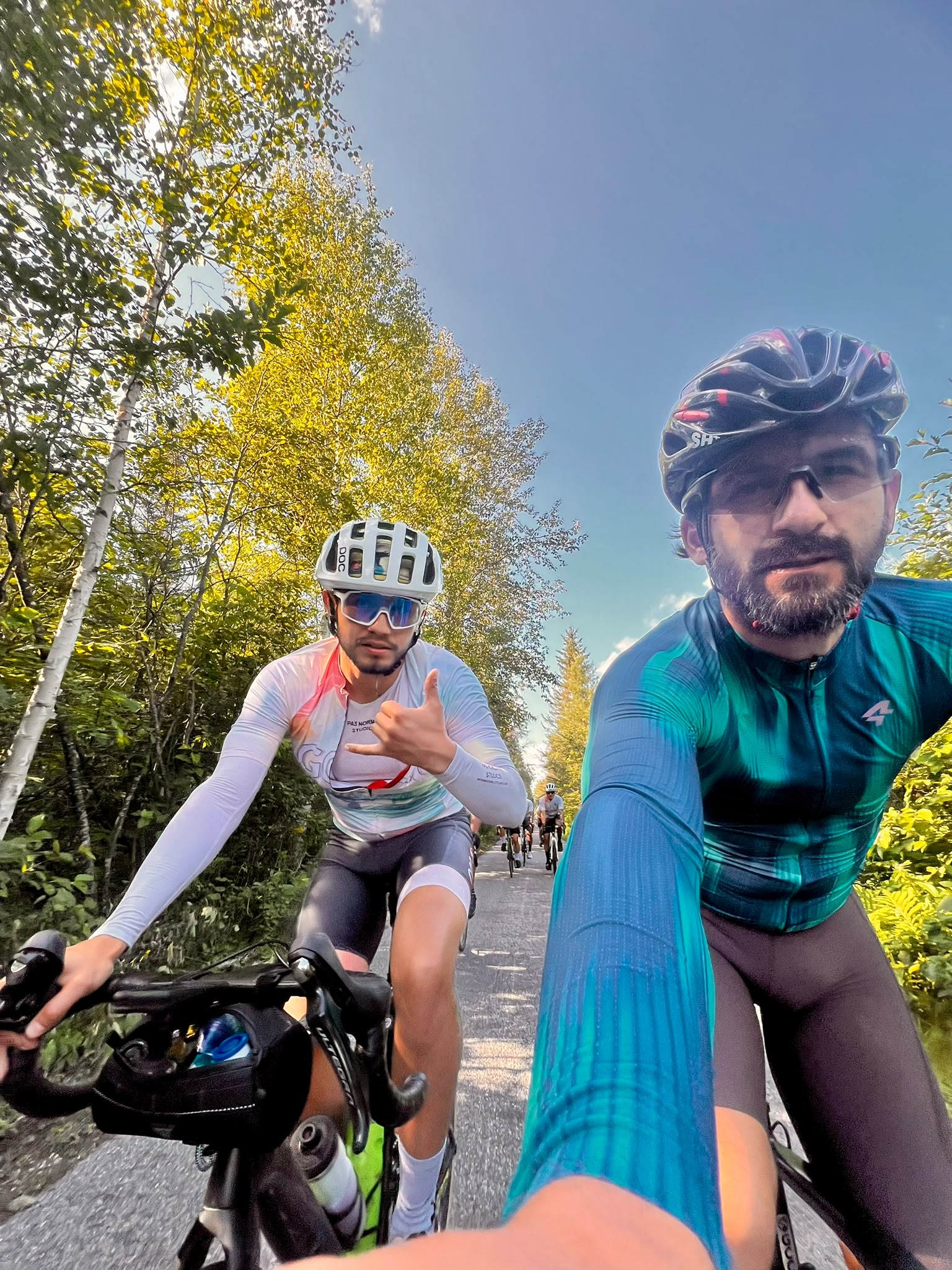
The Véloroute took us alongside water, through vegetation, and into sections that felt completely different from the roads we had been riding for much of the day.
I think that, almost without discussing it, we slowed down a little.
Not because we could not go faster.
Because we wanted to look around.
After so many hours thinking about pace, food, bottles, pulls, kilometers, and time, for a while we simply enjoyed being there.
By the end of the day, several of us agreed on the same thing: the section we had almost skipped in order to save time ended up being 28 of the best kilometers of the entire route.
The group also had to be able to split
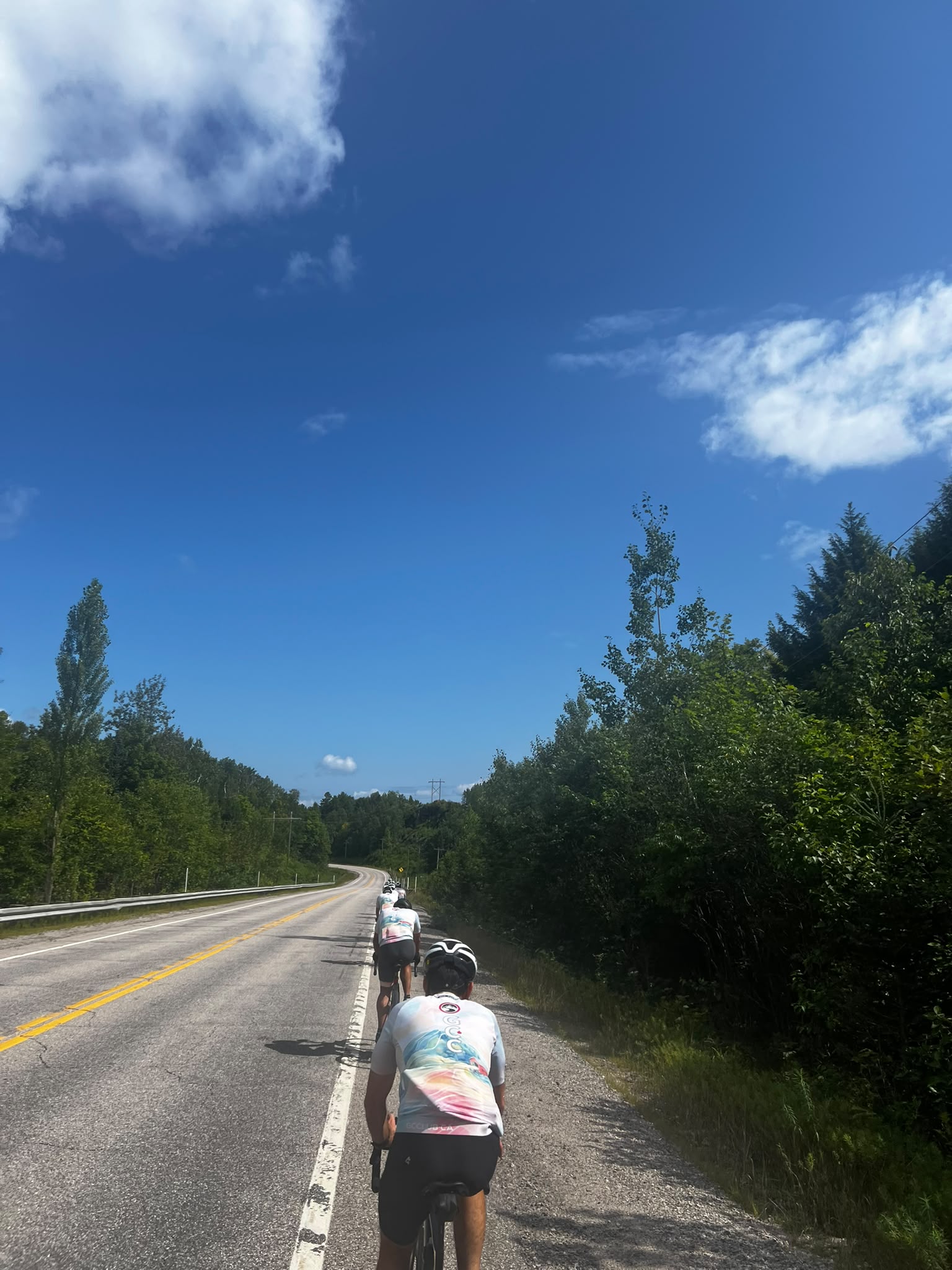
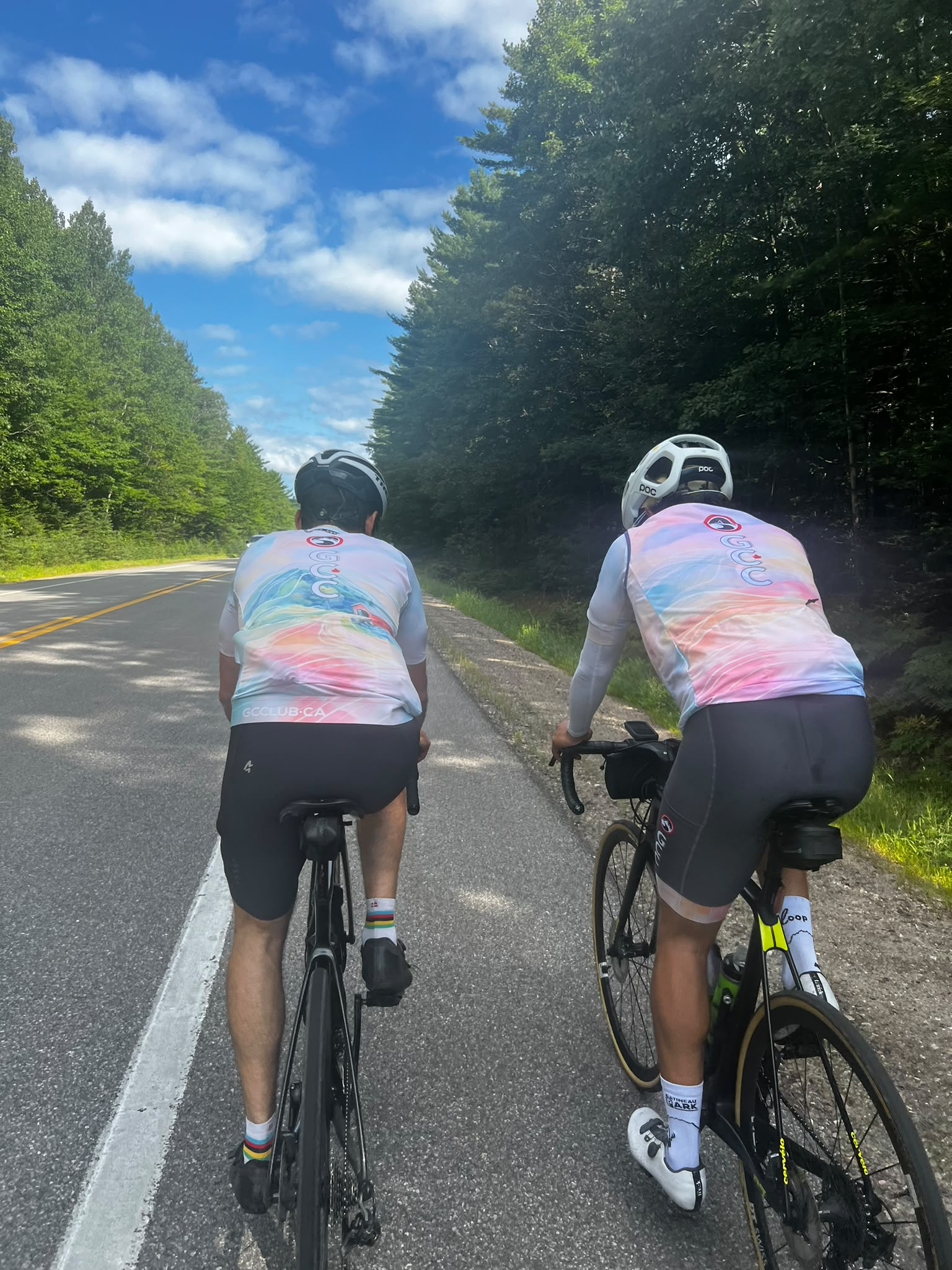
From Maniwaki and throughout much of the return trip, we managed to ride as a fairly compact group.
But not always.
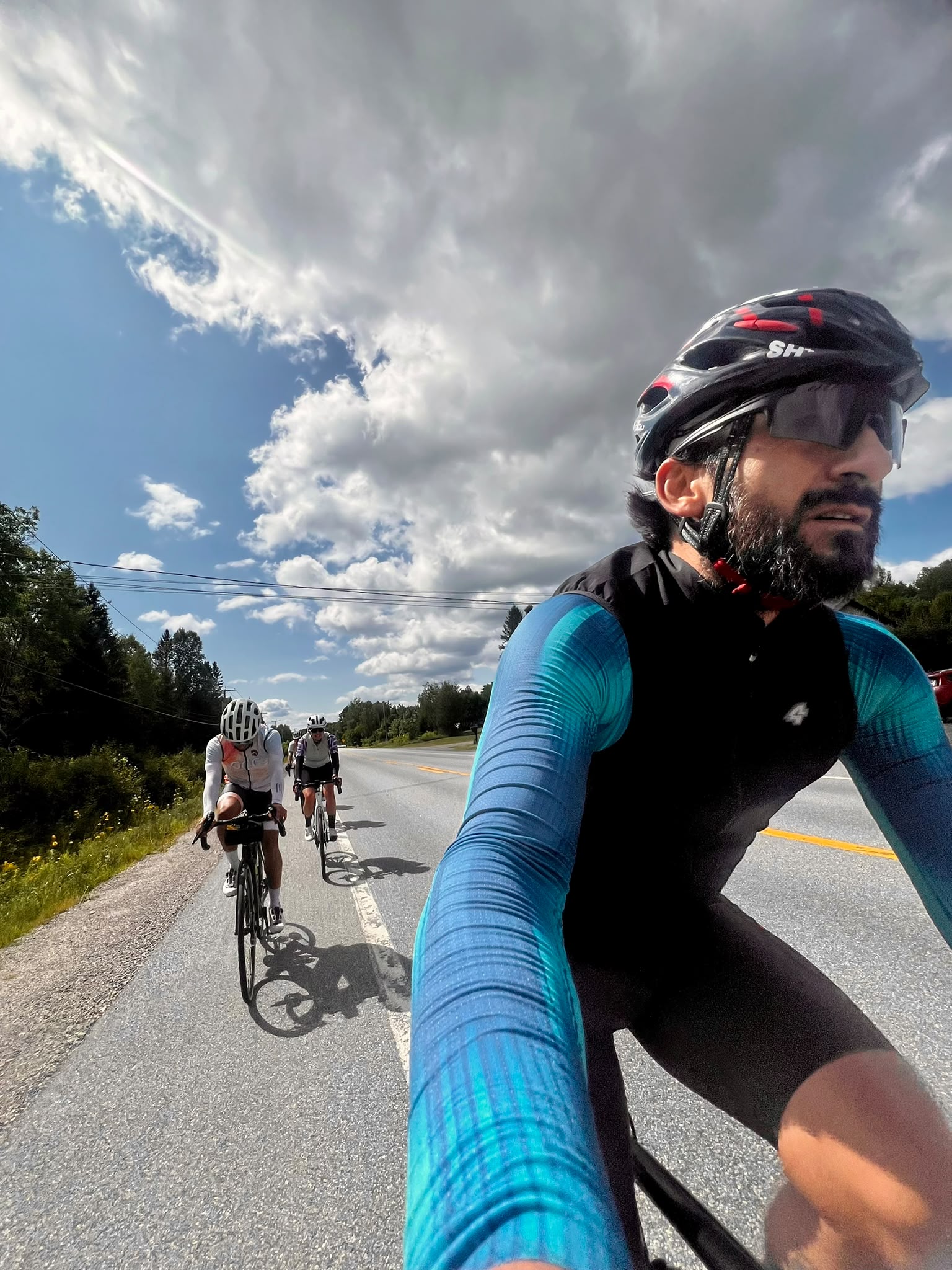
At times, we split into two groups, usually separated by about five minutes.
And that was fine.
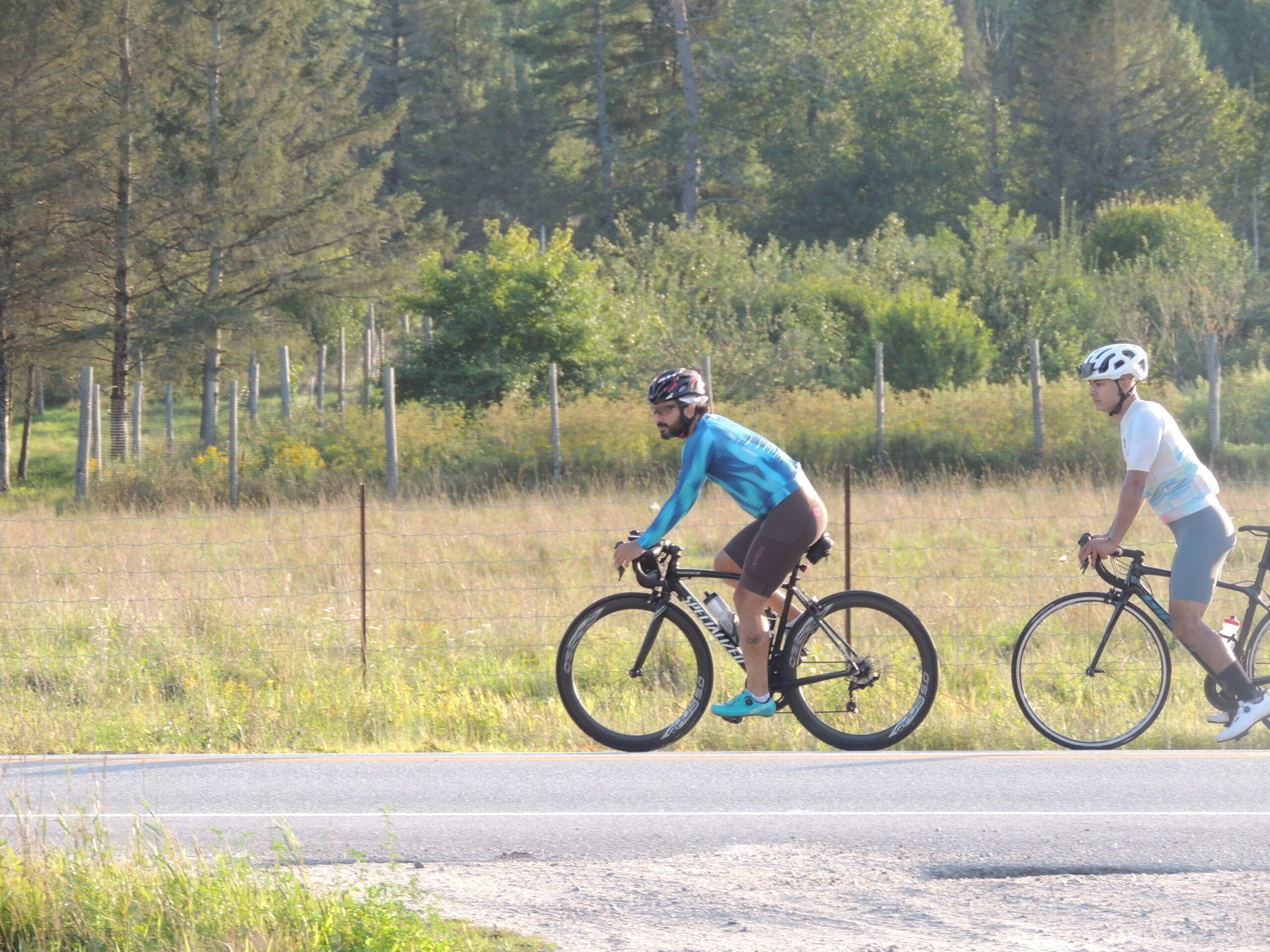
Instead of trying to impose one pace on riders who had different distances and different levels of fatigue in their legs, we allowed each group to find a speed that worked.
Those with stronger legs could take longer pulls. Those who needed recovery could shorten theirs.
The support vehicles still knew where to find us, and communication remained intact.
We were still riding the same Ultrafondo.
We had simply stopped trying to ride it in exactly the same way.
One by one, each challenge found its finish line
From Gracefield, we continued toward Low and then Wakefield.
The stops were short: water, food, reorganize, and back on the bike.
Néstor finished his ride in Low.
Humberto and Víctor finished theirs in Wakefield.
Everyone had arrived with a different distance in mind, and that was precisely part of the event’s design: to share the same day without everyone needing to have the same goal.
Ashley, on the other hand, had started with us from P3 and still intended to complete the long route.
But nightfall brought us back to something we had already learned in 2025.
Her lights ran out of battery and, in her own words, her personal battery was getting pretty low too.
Near Chelsea, by the fire station on Chemin de la Rivière, her husband picked her up.
Safety was still part of the plan.
Returning to Gatineau Park after more than 300 kilometers
When we reached Chelsea, the group split again.
Some of those still riding headed toward P3 without going through Gatineau Park.
José and I still needed to complete the route we had planned in order to break the 400-kilometer mark, so we entered the park through Kingsmere.
Danilo, José Aquiles, and Ronal came with us.
By then, the park we had ridden through so many times in training felt completely different.
On the Fortune climb, I had my hardest moment of the day.
I felt a serious drop in energy and thought about just how different it is to tackle that climb on a normal day compared with doing it after hundreds of kilometers are already in your legs.
Silence took over the group.
Well, almost the whole group.
Danilo was still talking nonstop, complaining that none of us would say anything.
Little by little, I found my rhythm again, and then came one of those little moments that, after so many hours, I officially declare completely unnecessary 🤭: Danilo and I got a second wind and started climbing at a very good pace.
Then the ghost lights appeared—a story for another day—and somehow we ended up sprinting toward Champlain Lookout.
We regrouped there and made a calm descent through King Mountain toward P3.
At some point, we realized something: we had already completed our challenge before we even reached our destination.
“Nice one, papu.”
“I love you guys.”
“That’s it, carnales.”
“Bravo, chiquitas.”
You could hear it throughout the park.
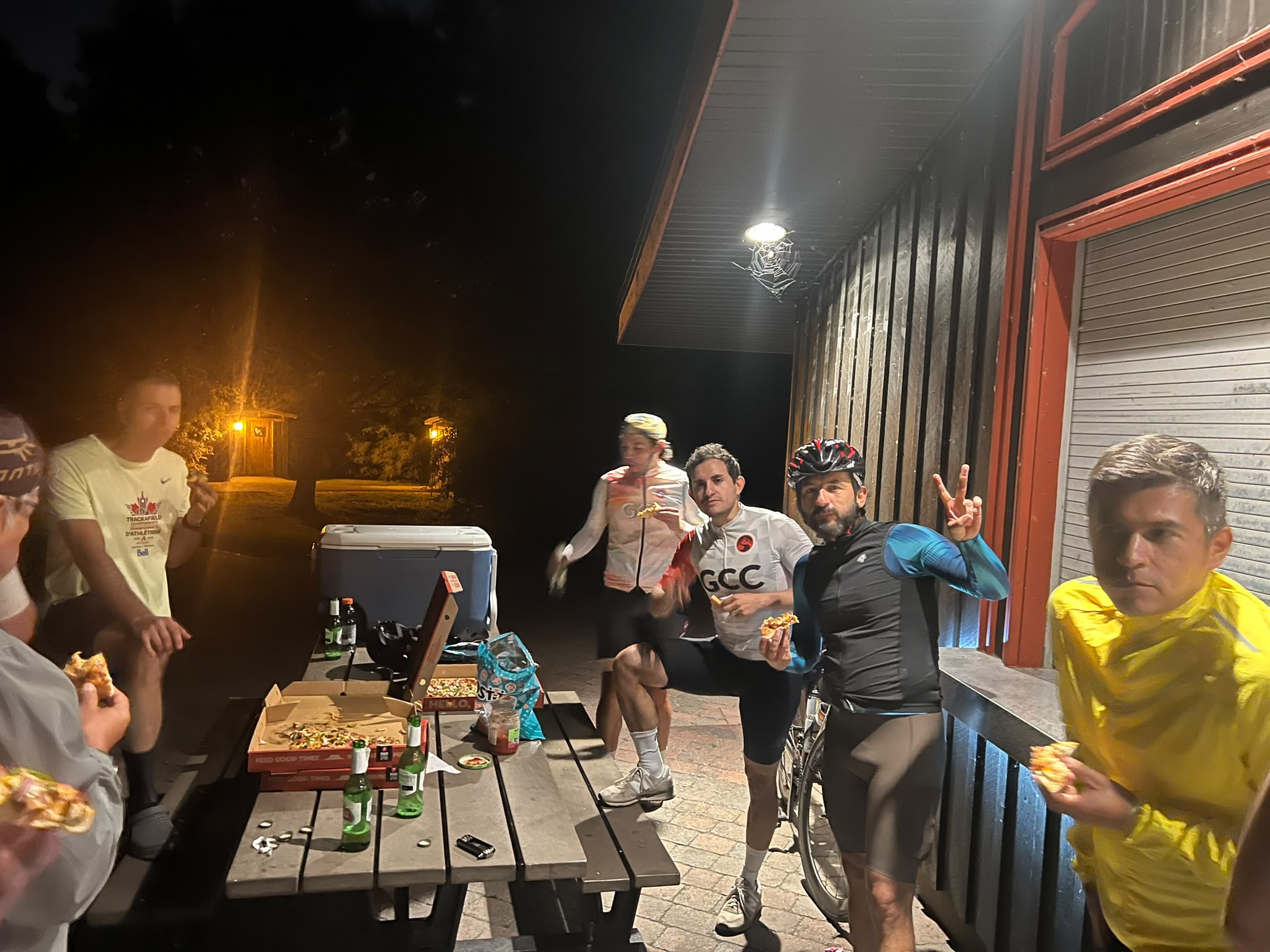
P3
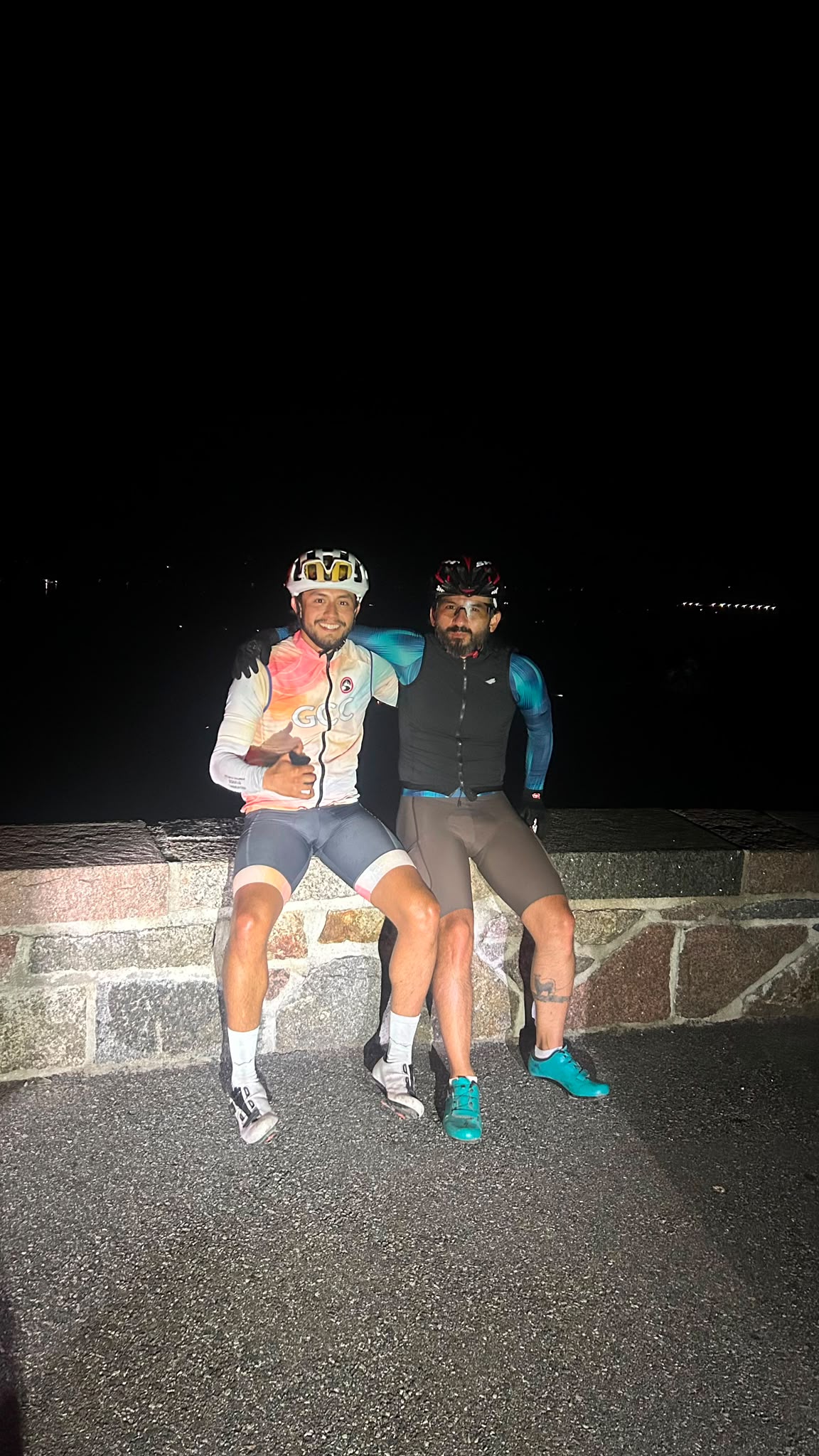
When we arrived, everyone was waiting for us.
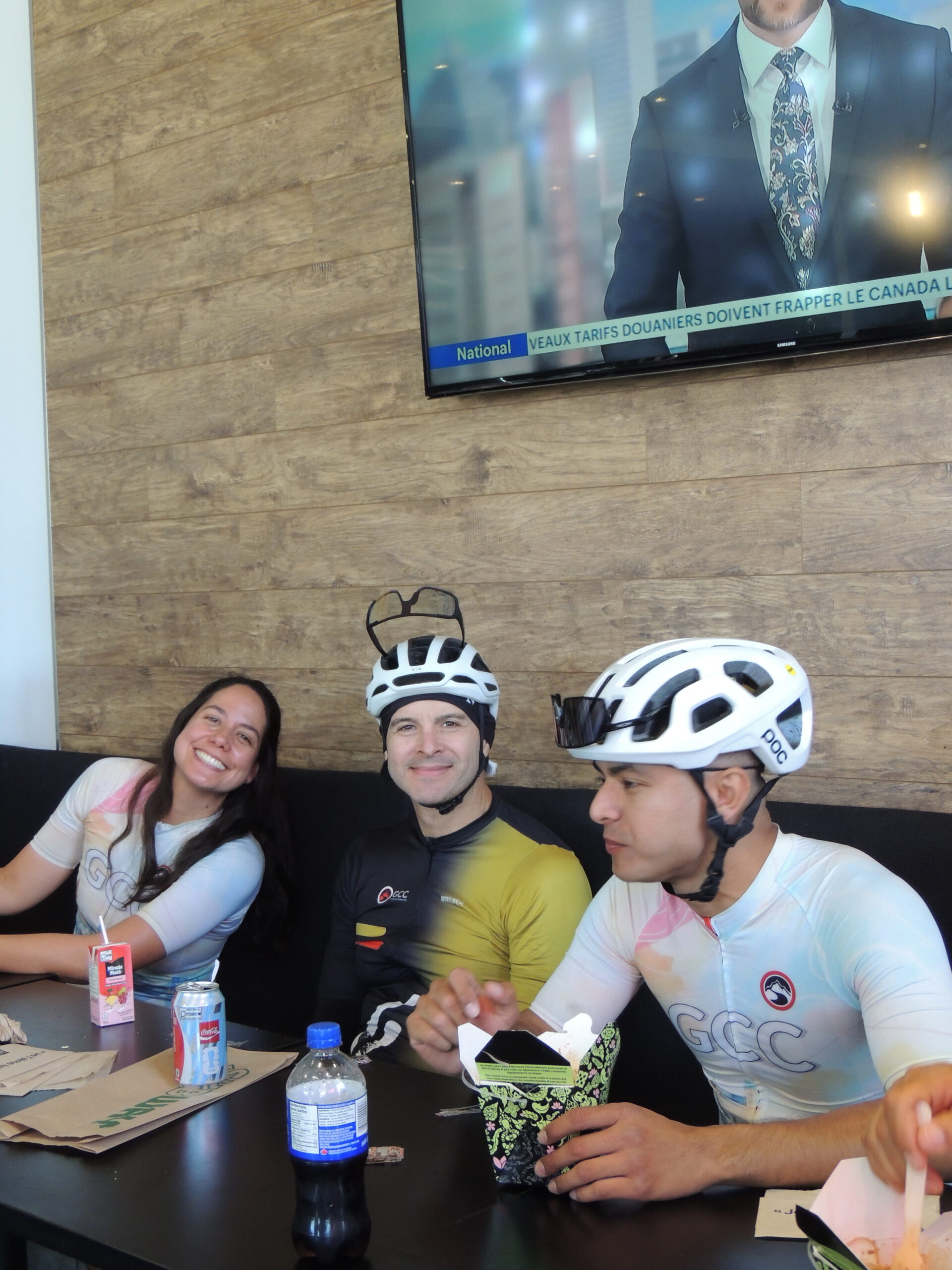
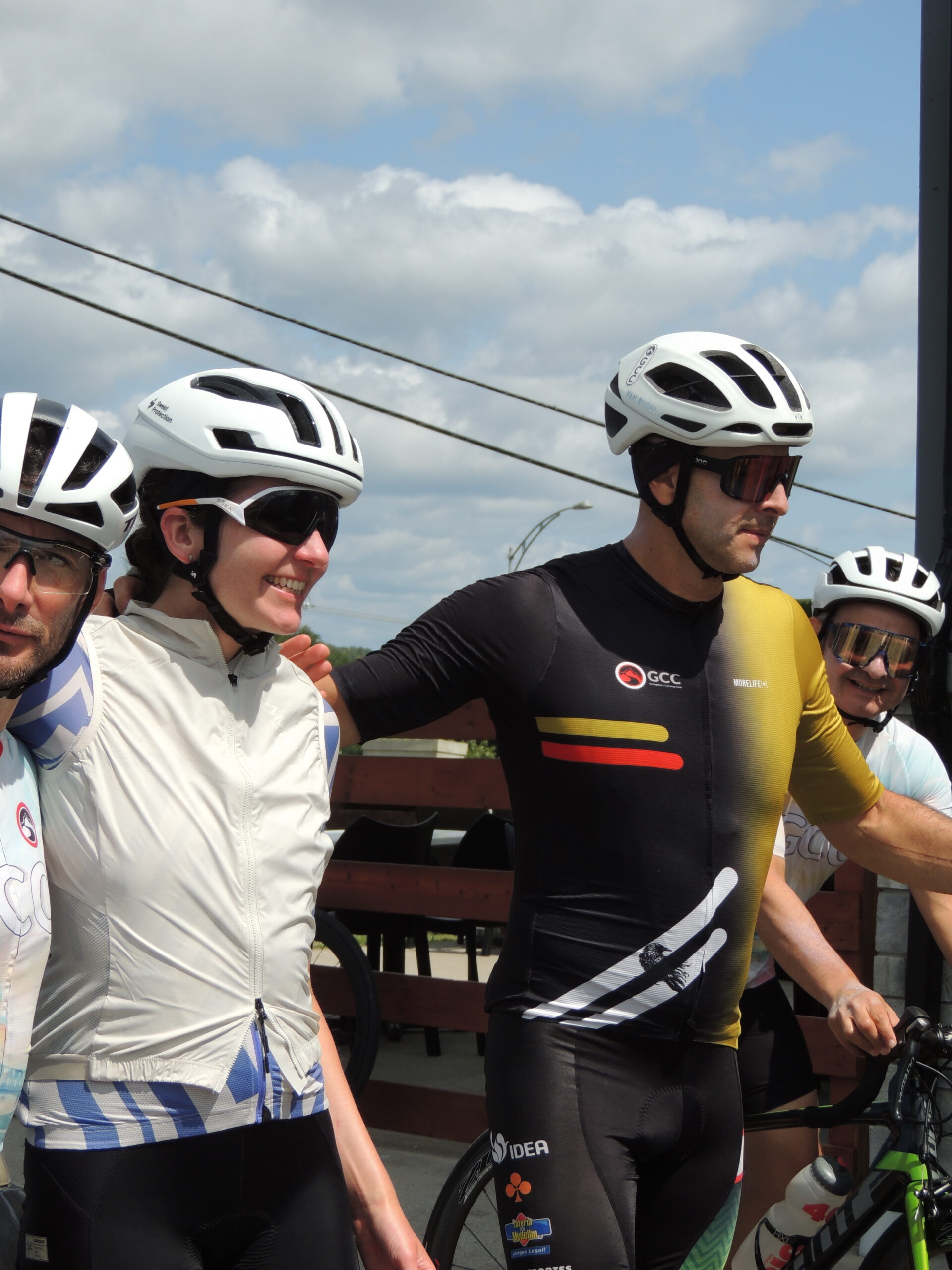
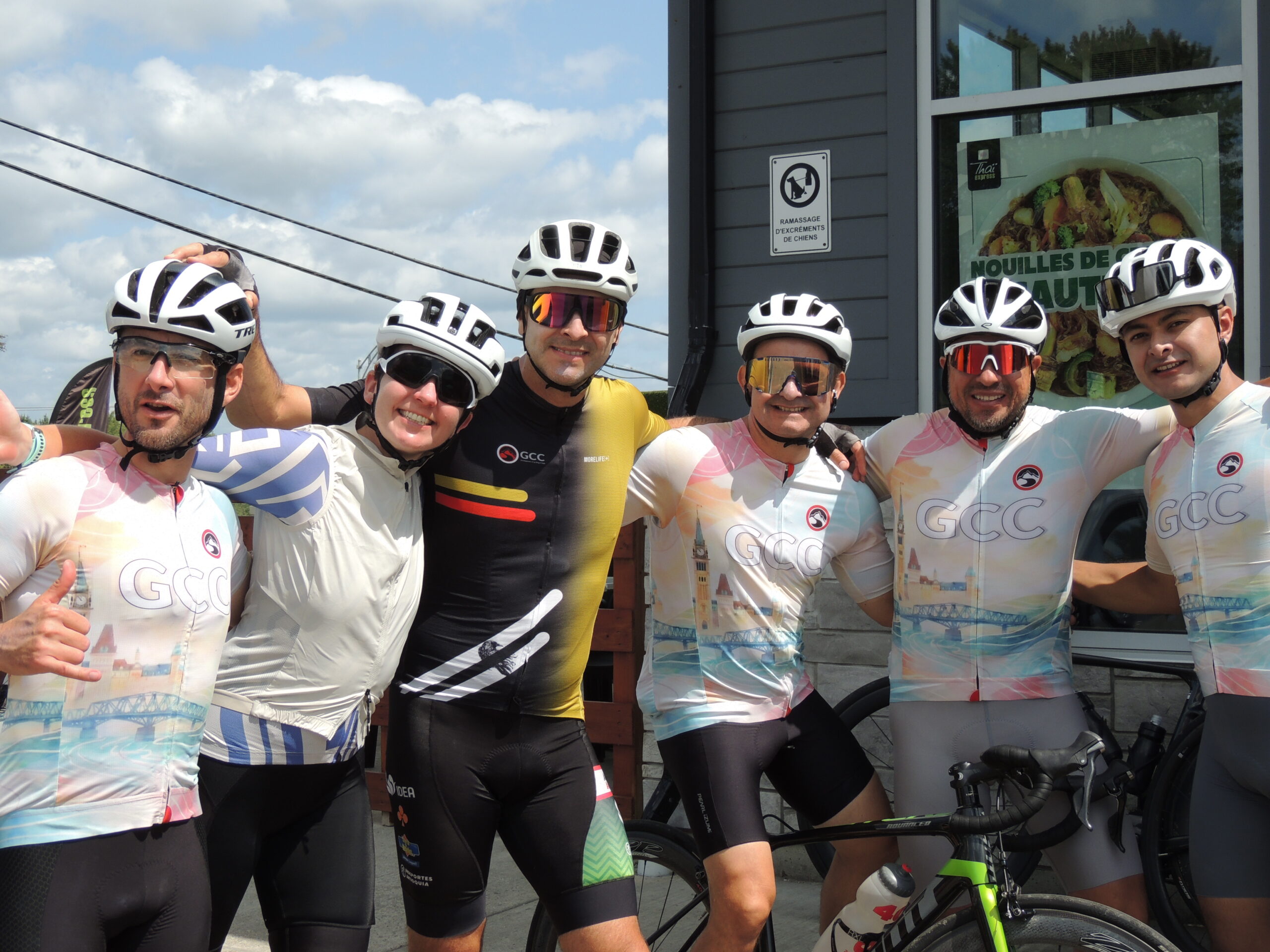
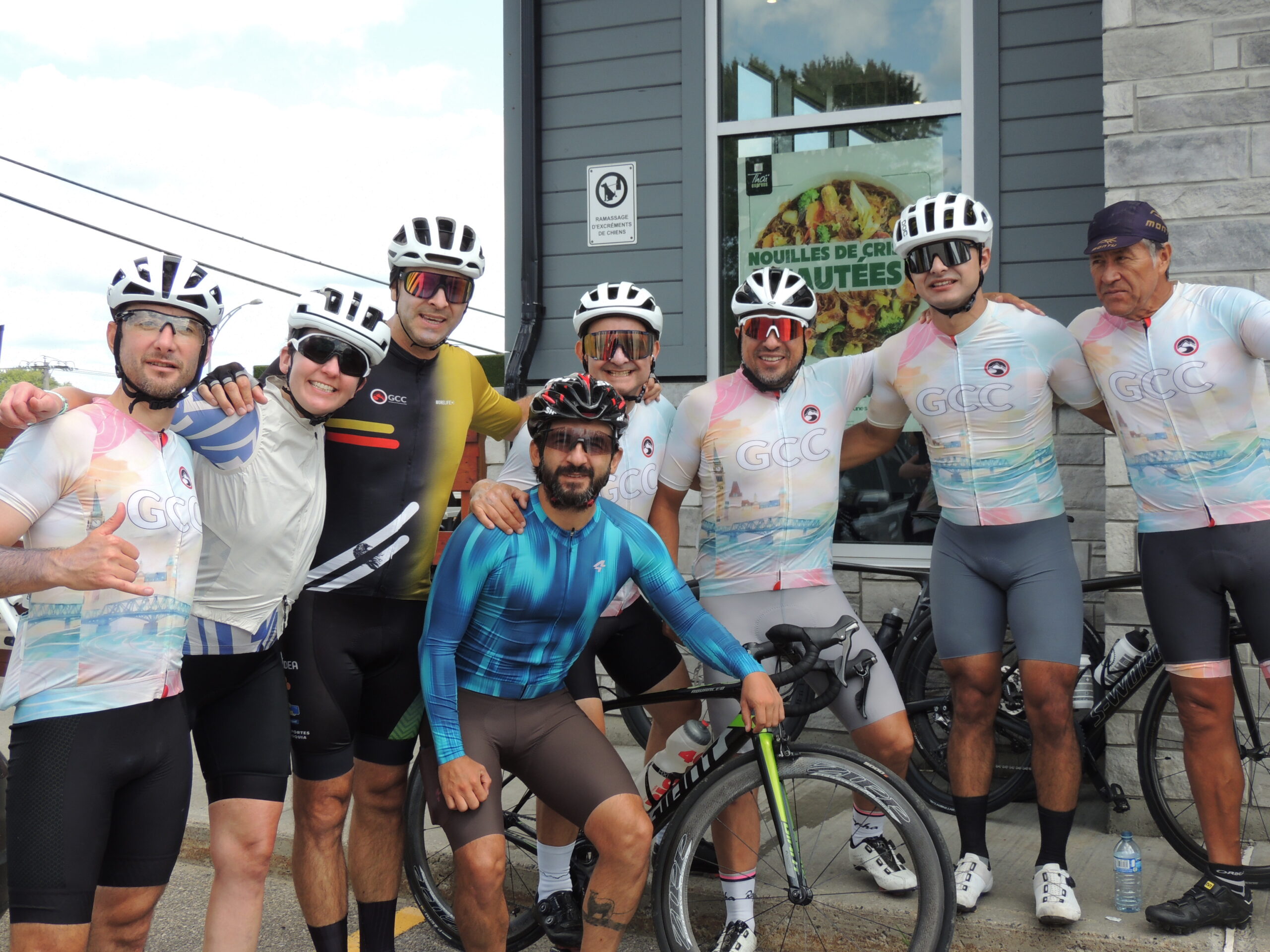
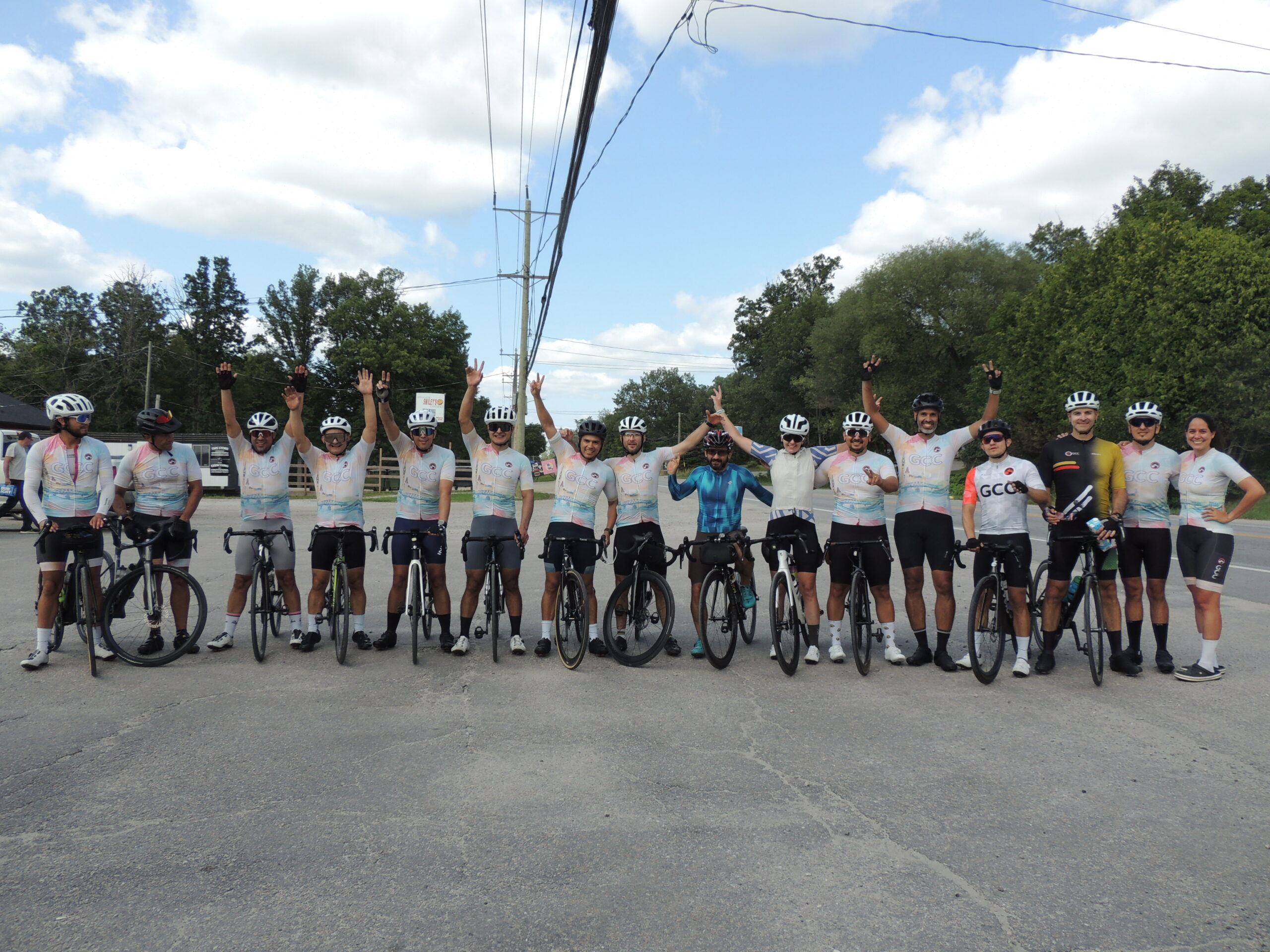
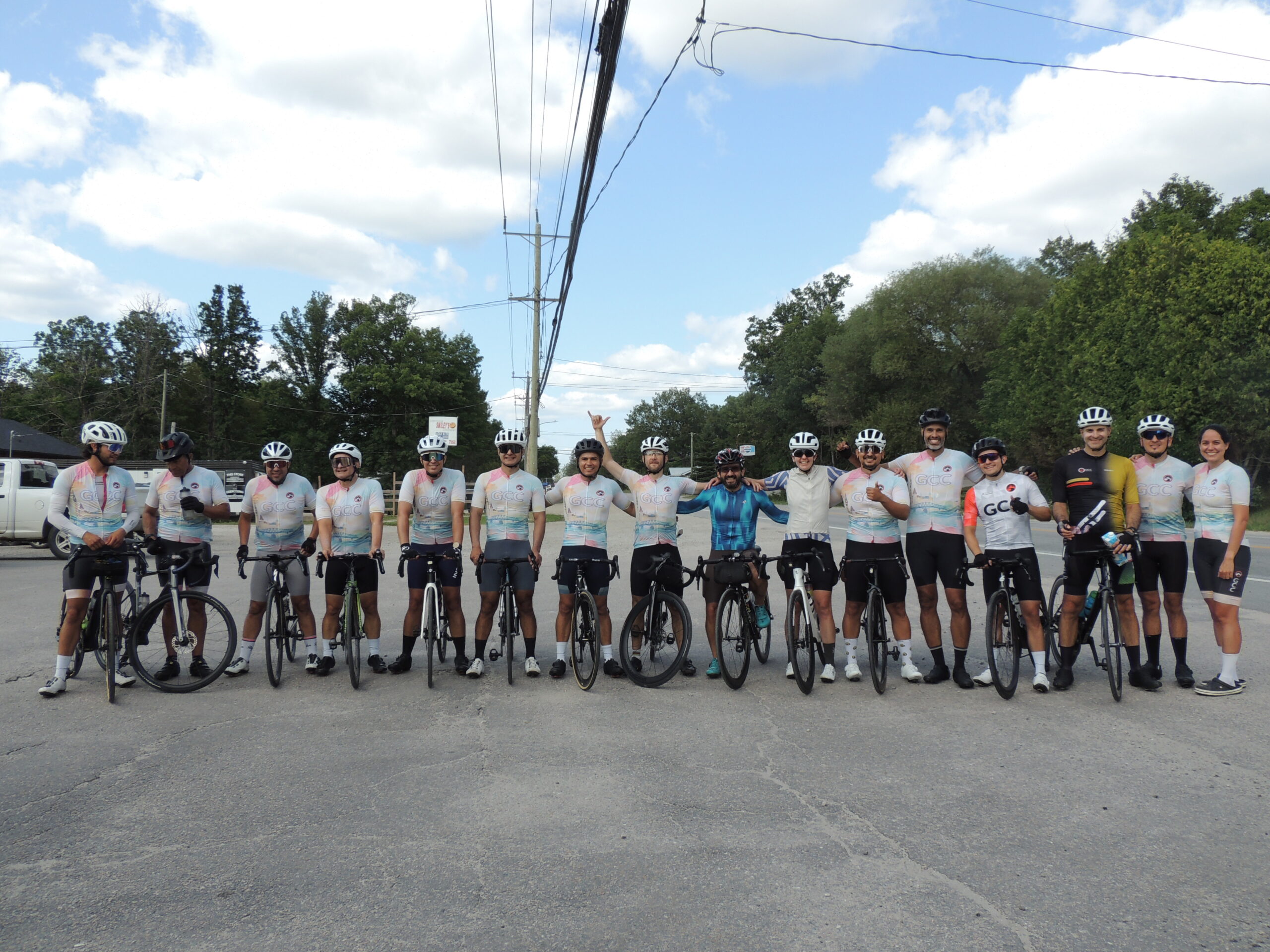
Pizza. Drinks. Friends. Families. The support vehicles. Those who had finished earlier. Those who had ridden part of the route. Those who had accompanied us all day without ever getting on a bike.
My activity ended at 418.01 kilometers, 3,953 meters of elevation gain, and 15:26:13 of moving time.
But the numbers only tell part of the story.
For me, the difference from 2025 was enormous.
The year before, I had finished knowing that I had made the right decision, but also with the feeling that some people had judged me for stopping the attempt.
This time, we returned to the same park after doing exactly what we had learned we needed to do.
We adapted.
Everyone who participated completed their own challenge and set new long-ride records.
And José and I, one year after that difficult decision, returned to P3 having finally broken the 400-kilometer mark.
We know it will not be long before we try it again—with Laura alongside us.
The plan worked because it could change
For months, we thought about the route, food, schedules, lights, meeting points, and distances.
All of that mattered.
But the Ultrafondo did not succeed because we followed the plan exactly as it had been written.
It succeeded because we knew how to change it along the way.
Because Laura went from cyclist to support crew and found another way to become essential to the day.
Because we let go of the idea that we had to remain one single group and split when our paces stopped matching.
Because safety remained more important than the need to prove anything.
Because we nearly skipped the best 28 kilometers of the route in an effort to save time, and that very section ended up reminding us why we were there.
What remained was the pizza, the exhaustion, our friends waiting for us, and the satisfaction of knowing that, together, we had found a way to get there.
The cyclists and their challenges
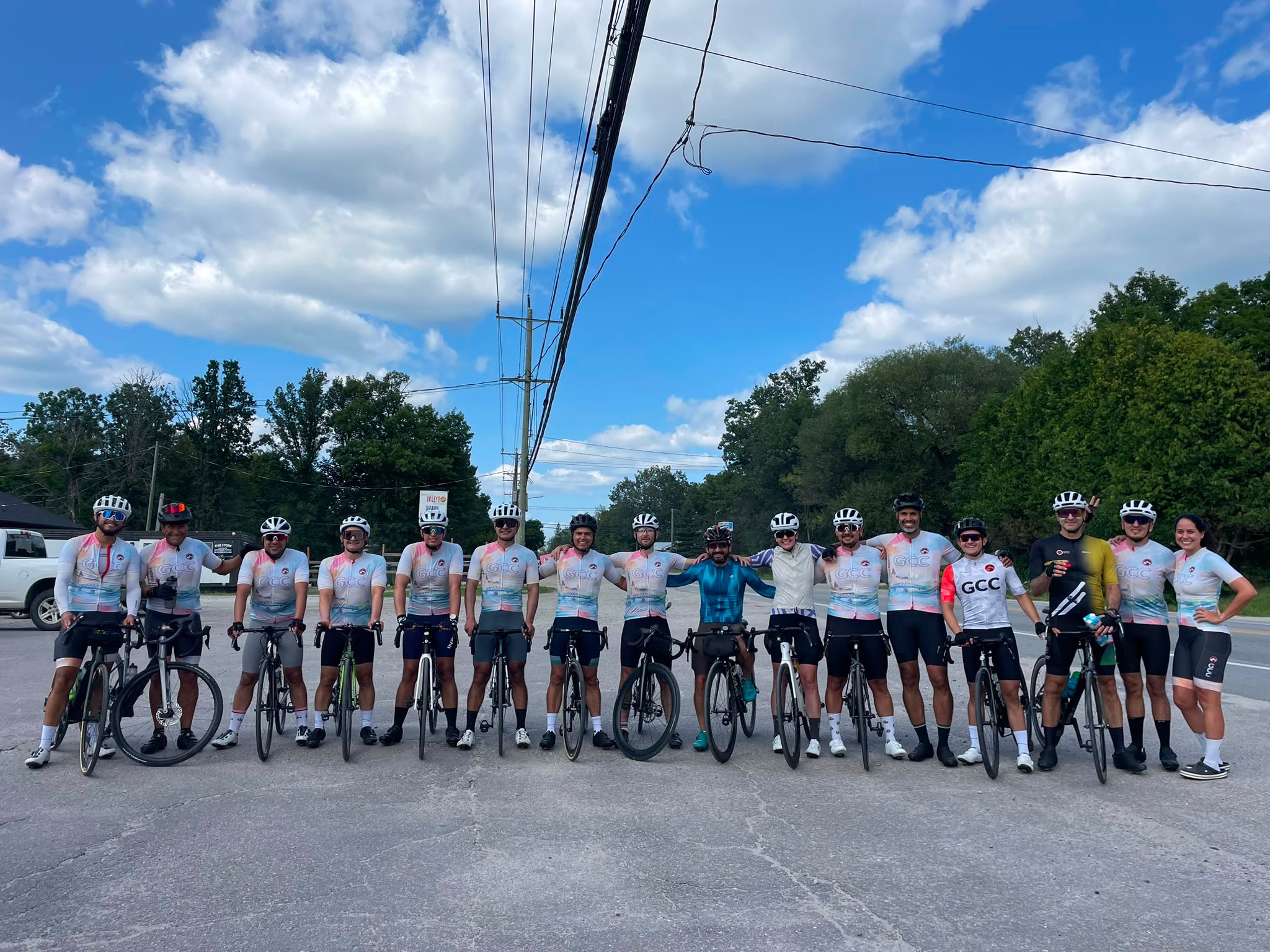
One of the ideas behind the Ultrafondo was that not everyone needed to ride the same distance to be part of the day. Each rider could join from a different point, meet the group along the route, and build a challenge of their own.
| Cyclist | Route | Distance (km) |
|---|---|---|
| Laura | Gatineau Park – Notre Dame du Laus | 143 |
| Francisco | Mont-Laurier – Gatineau Park | 185 |
| Juan S | Mont-Laurier – Gatineau Park | 185 |
| Andrew | Mont-Laurier – Gatineau Park | 185 |
| José A (Group C Leader) |
Mont-Laurier – Gatineau Park | 206 |
| Néstor | Poltimor – Maniwaki – Low | 237 |
| Humberto (Group B Leader) |
Poltimor – Maniwaki – Wakefield | 258 |
| Víctor | Poltimor – Maniwaki – Wakefield | 258 |
| Anderson | Gatineau Park – Maniwaki – Gatineau Park | 259 |
| Jonathan | Gatineau Park – Maniwaki – Gatineau Park | 259 |
| Luis | Val-Des-Voys – Maniwaki – Gatineau Park | 260 |
| Danilo | Val-Des-Voys – Maniwaki – Gatineau Park | 300 |
| Ronal | Poltimor – Maniwaki – Gatineau Park | 300 |
| Ashley | Gatineau Park – Maniwaki – Chelsea | 361 |
| Jose | Gatineau Park – Maniwaki – Gatineau Park | 418 |
| Alexander | Gatineau Park – Maniwaki – Gatineau Park | 418 |
Support crew: Juan Felipe, Luchi, and Laura after she changed roles during the ride.
My activity
Date: August 15, 2026
Distance: 418.01 km
Elevation gain: 3,953 m
Moving time: 15:26:13
Time spent climbing: 5:50:02
Climbing as a share of total moving time: approximately 38%